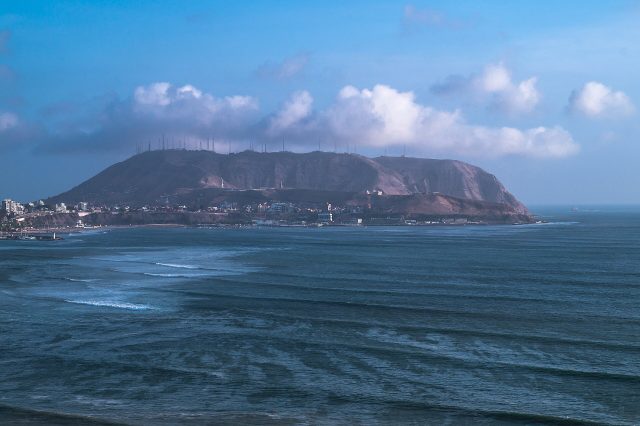
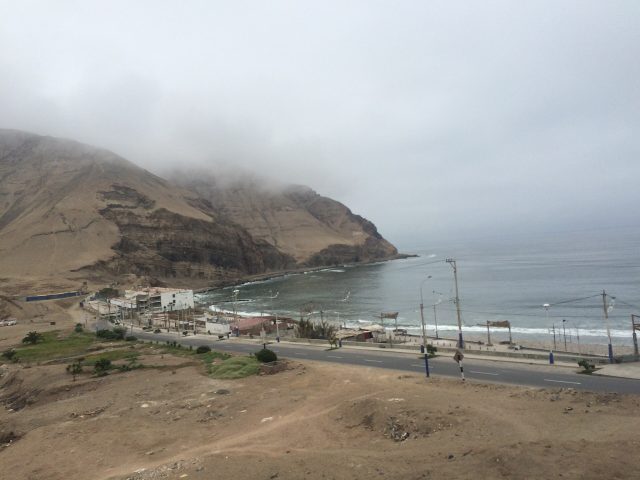
Chorrillos Market is where people in Lima come for something real. Located in the district of the same name, it sits in what was once a fishing village, now part of the city but still holding its own character. The sea shaped Chorrillos—once wooden huts with nets drying on the shore, now a place where old Lima’s rhythm remains.
The market’s design is practical. Low ceilings, open stalls, and narrow aisles create a maze built for daily use. The air smells of fresh fish, spices, and fried dough, while sunlight filters through gaps in the roof, casting shifting patterns on the walls. There are no polished displays, just the energy of a place made for those who use it every day.
Mornings start early. Before dawn, the day’s catch arrives—tuna, sea bass, squid, shrimp, and shellfish—spread on ice for sorting. Fishermen, many working these waters for generations, know their trade. They’ll tell you where the fish was caught, how to cook it, and why today’s haul is worth buying. If you’re lucky, you might see fish cleaned and filleted on the spot—a quick, practiced process.
The market isn’t just about seafood. It’s where you’ll find ingredients that define Peruvian cooking: ears of corn in every shade, avocados, sweet potatoes, aji peppers, and fresh herbs. One section sells dried fish and seafood, staples for ceviche or chupe de camarones. Nearby, you’ll find local cheeses, homemade sausages, and sometimes roasted cuy—a dish that speaks to the market’s traditions. For anyone curious about Peruvian food beyond tourist spots, this is where to look.
Between the stalls, small eateries cook food in front of you. Grilled fish sizzles over charcoal, seafood soups bubble in pots, and corn is roasted with cheese. The tables are simple, but the food doesn’t suffer. The most popular dishes are ceviche made with the freshest catch, bright with lime and chili, or a Peruvian breakfast of fried plantains, eggs, and bread. Eating here is quick and satisfying, especially early when ingredients are freshest.
Chorrillos Market is daily life in the district.
Neighbors talk over purchases, recipes are exchanged, and vendors greet regulars by name. For visitors, it’s a chance to see Peru without the gloss—no luxury hotels or curated tours, just how people live. The crowds are smaller than in central Lima, keeping the atmosphere unhurried.
Visit in the morning. That’s when the market is liveliest—fishermen unloading their catch, chefs stocking up, and locals picking up supplies. By midday, the pace slows. Wander deeper; the most interesting stalls are often tucked away, and vendors will share stories about their goods. English isn’t widely spoken, but a smile helps.
Chorrillos has a history. It was once a resort town where Lima’s elite escaped the city, building villas and strolling along the waterfront. That glamour faded, but traces remain in old houses and narrow streets. The market became a symbol of the district’s change—from an exclusive retreat to a working-class neighborhood. Today, Chorrillos mixes old and new, where fishing boats share the shore with modern cafes and the beach draws locals and visitors alike.
This isn’t a place for staged photos. There are no perfect angles, just authenticity. It’s where you feel Peru’s pulse, see how people live beyond the tourist trail, and taste food prepared the same way for generations. If you want to see Lima as it is, Chorrillos Market is where to begin.