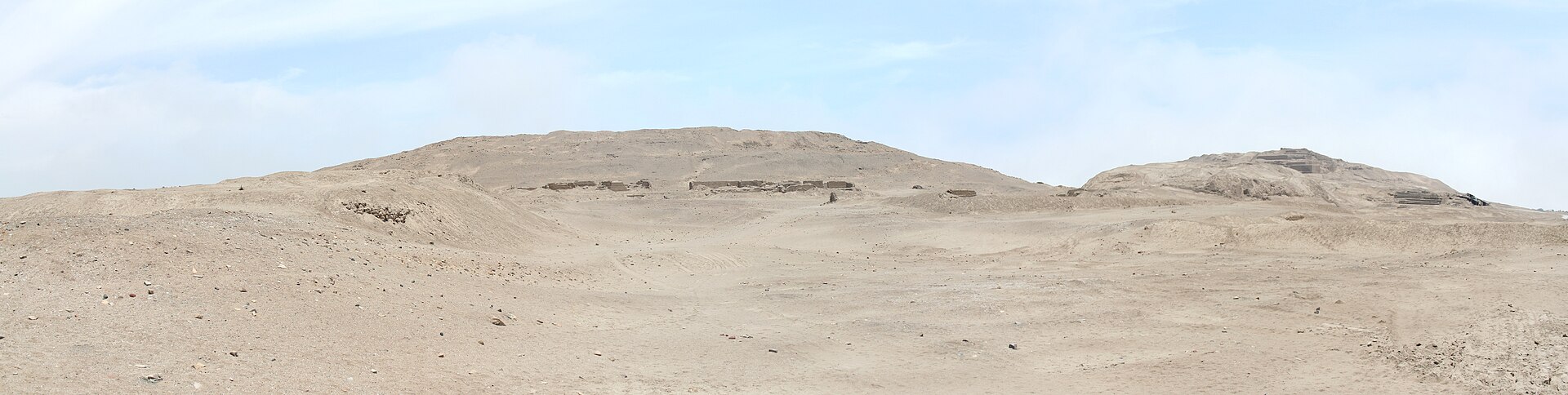
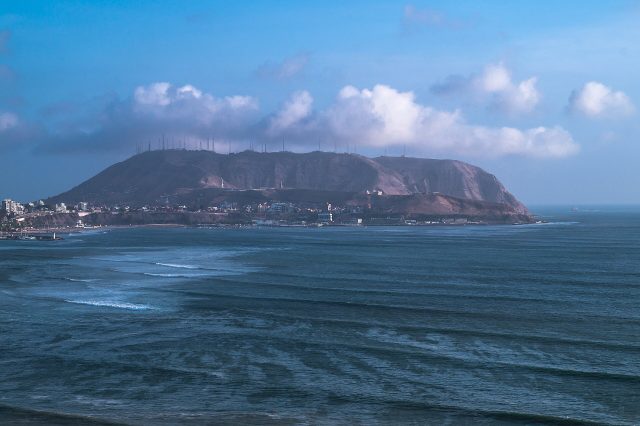
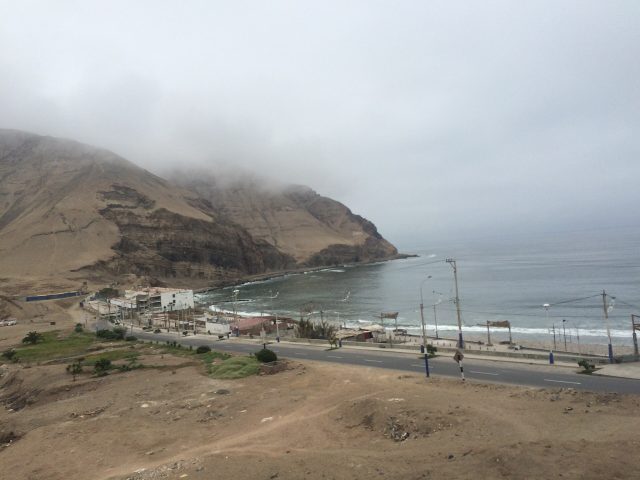
Pachacamac is one of those rare places where the past doesn’t just linger—it breathes. Tucked into the arid hills just south of Lima, in the district of Chorrillos, this sprawling archaeological site was once the most important religious center in pre-Columbian South America. Long before the Inca Empire rose to power, and even before the cultures that preceded it, this was a place where people came to seek answers, offer devotion, and connect with something greater than themselves. Today, the ruins of Pachacamac stand as a quiet testament to the spiritual and cultural complexity of ancient Peru, a place where the desert wind carries echoes of rituals performed centuries ago.
The history of Pachacamac stretches back over fifteen hundred years, with the earliest settlements dating to the third century. But its golden age came between the sixth and fifteenth centuries, when it became the dominant ceremonial hub of Peru’s coastal region. The site takes its name from the deity Pachacamac, a figure whose name in Quechua translates roughly to "He Who Gives Life to the World." For the people who worshipped here, Pachacamac was more than a god—he was the force that maintained cosmic order, governed earthquakes, ensured fertility, and shaped human destiny. When the Inca conquered the region in the fifteenth century, they didn’t destroy the sanctuary. Instead, they absorbed it into their own religious system, building new temples and palaces that blended their traditions with those of the cultures that came before.
What remains of Pachacamac today is a striking example of ancient engineering and sacred architecture. The site covers nearly six hundred hectares and consists of dozens of structures, most built from adobe bricks. The most imposing is the Temple of the Sun, a stepped pyramid with broad staircases leading to its summit. Once, its walls were adorned with vibrant murals, and its chambers held offerings of gold and silver. Nearby stands the Palace of the Governor, where archaeologists have uncovered the mummified remains of elite figures buried with everyday objects and jewelry. Then there’s the so-called Painted Temple, a labyrinthine structure with narrow corridors and false entrances, likely used for initiation rites or divination. Each building tells a story of a society that saw the divine in every aspect of life.
One of the most intriguing structures at Pachacamac is the Temple of the Moon, known to the Inca as Mamacona. Unlike many other buildings in the complex, it wasn’t abandoned after the Spanish conquest but continued to function as a sacred space. This was the home of the "chosen women," young girls dedicated to serving the deity. According to legend, they lived in seclusion, weaving textiles for the temples and preparing ritual meals. When the conquistadors arrived in the sixteenth century, they were stunned by the wealth they found here—gold, silver, and finely crafted objects—but even their looting couldn’t erase the site’s spiritual significance. The temple’s survival is a rare glimpse into the continuity of belief, even amid upheaval.
Walking through Pachacamac today, it’s easy to imagine the scene as it once was. Pilgrims would have flocked here from across the region, bearing offerings for the gods. Priests would have performed ceremonies atop the pyramids, their voices carrying across the desert. Traders would have set up stalls in the market square, exchanging goods from the coast, the highlands, and beyond. The site’s isolation—surrounded by nothing but sand and sky—only deepens the sense of stepping into another time. The wind rustles through the ruins, and as the sun sets, the adobe walls glow with a warm, golden light, as if the earth itself is remembering.
Pachacamac may not have the same fame as Machu Picchu or Cusco, but its importance to understanding pre-Columbian cultures is immense. The ruins here aren’t just stones; they’re evidence of a sophisticated society with advanced knowledge of astronomy, architecture, and social organization. Some temples are aligned with remarkable precision to the cardinal directions, their layouts corresponding to solstices and other celestial events. Archaeologists continue to uncover artifacts—pottery, textiles, tools—that piece together the daily lives of the people who lived here. Each discovery adds another layer to the story of a civilization that saw the sacred in the land, the sky, and the cycles of nature.
Visiting Pachacamac is more than a history lesson; it’s a chance to feel the weight of time. This is a place where the past isn’t confined to museums or textbooks but lives in the very air, in the cracks of the adobe walls, in the silence between the ruins. It’s easy to lose yourself here, to forget the noise of the modern world and wonder about the people who once gathered in these same spaces, their lives shaped by faith and ritual. Maybe that’s why Pachacamac still draws those who seek more than just a pretty view—it offers a quiet kind of depth, a connection to something enduring.
If you find yourself in Lima, don’t rush past the city’s bustling streets and crowded museums without making the short trip to Pachacamac. The drive takes about an hour, winding along the coast where the ocean meets the desert. The best time to visit is in the morning, when the sun is gentle and the light softens the contours of the ruins. Bring water and a hat—the desert heat can be deceptive, and shade is scarce. And when you’re there, take a moment to sit on one of the low hills, looking out over the ancient city. Close your eyes and listen. You might just hear the faint echoes of flutes, the murmur of prayers, or the distant hum of a market long gone.