Perched on a quiet hillside in Chorrillos, one of Lima’s southern districts, Parque de la Amistad feels like a well-kept secret. There are no crowds here, no flashy attractions or tourist traps—just the kind of stillness that’s hard to find in a bustling city. The park doesn’t demand attention; it simply offers a place to slow down, breathe, and take in the view.
The name translates to "Friendship Park," and that’s exactly what it embodies. Unlike grand public spaces designed for ceremonies or monuments, this is a park for ordinary people—for neighbors meeting up, families spending an afternoon, or someone sitting alone with a book under the shade of a tree. It’s unpretentious, almost modest in its purpose, and that’s what makes it feel genuine.
Chorrillos itself has a history as a retreat. In the late 19th and early 20th centuries, Lima’s wealthy built summer homes here, drawn to the coastal breeze and the slower pace of life. Parque de la Amistad came later, when the city expanded and green spaces became part of the urban fabric. It wasn’t built to impress, but to serve—a place where the rhythm of daily life could unfold without fanfare.
The park’s design reflects that simplicity. There are no ornate fountains or towering statues, just well-worn paths winding through patches of greenery. Benches are scattered beneath trees, their wood weathered by years of use. In the center, seasonal flowers bloom—bougainvillea in vibrant pinks and purples, their petals bright against the muted tones of the park. There’s a playground for children, but it’s small and unassuming, blending into the landscape rather than dominating it.
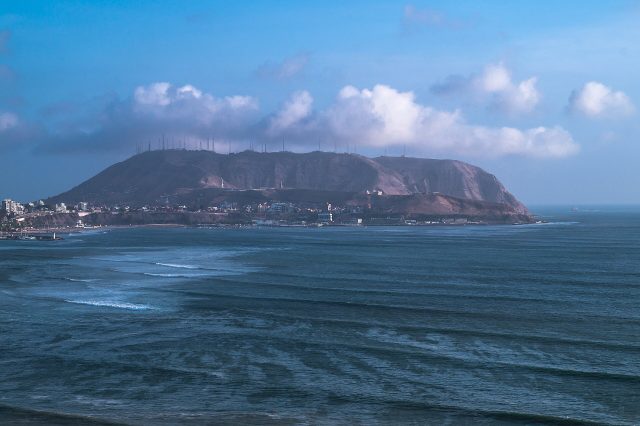
From the hilltop, the view stretches toward the ocean. The climb isn’t steep, but it’s enough to leave the noise of the streets behind. On clear days, the horizon blurs where the sea meets the sky, and in the evenings, the light softens into warm hues. It’s not the most dramatic vista in Lima, but that’s part of its charm. Here, the ocean feels close in a way that’s intimate, not grand.
Mornings belong to the elderly, who come to walk or stretch in the cool air. By midday, mothers push strollers along the paths, and children dart between the trees. In the evenings, couples stroll hand in hand, and on weekends, the park hums with life—groups of friends chatting on benches, kids playing tag, the occasional impromptu gathering. Sometimes, small events pop up—a local concert, a community fair—but they’re never announced with much fuss. The park doesn’t need spectacle; it thrives on the quiet, unscripted moments.
This isn’t a place for tourists. There are no guided tours, no plaques explaining its history, no souvenir stands. That might disappoint some visitors, but for those who wander in by chance, it’s a relief. There’s no pressure to perform, no need to document the experience for social media. You can sit on a bench, watch the world go by, and feel like you’ve slipped into the everyday life of the neighborhood.
Chorrillos has changed over the years. High-rises now crowd the streets where old villas once stood, and traffic fills the air with the hum of engines. But Parque de la Amistad remains a pocket of calm, a reminder that even in a city of millions, there are still corners where time moves at its own pace. For locals, it’s a part of life—a place to escape the heat, clear their heads, or simply enjoy a moment of quiet.
If you’re traveling through Peru and want to see more than just the postcard sights, this park offers something different. It’s not about grandeur or history with a capital H. It’s about the small, unremarkable things that make a place feel like home. There’s no agenda here, no must-see list. Just the ocean breeze, the rustle of leaves, and the quiet understanding that sometimes, the best experiences are the ones that don’t try too hard to be memorable.