Beit Sahour’s market is one of those quiet places where time moves at its own unhurried pace, and daily life unfolds with a rhythm all its own. This small town on the outskirts of Bethlehem is best known as the place where, according to tradition, shepherds first heard the news of Christ’s birth. Yet beyond its religious significance, Beit Sahour is a community that lives by the steady cadence of its own traditions. The market here isn’t a tourist attraction in the usual sense—it’s the heartbeat of local life, where people come not for spectacle, but for the essentials: fresh food, conversation, and the familiar patterns of home.
Unlike the bustling souks of larger cities, Beit Sahour’s market is understated. There are no shouting vendors or flashy signs competing for attention. Instead, low stalls under simple awnings display piles of vegetables and fruit grown in nearby fields—tomatoes, cucumbers, eggplants, fragrant herbs, and spices, all cultivated on land that has been farmed for generations. Beside the produce, you’ll find olive oil pressed from local groves, sheep’s milk cheeses, fresh flatbread, and honey harvested from nearby villages. Everything here carries the taste of the land, unmediated by long supply chains or industrial processing.
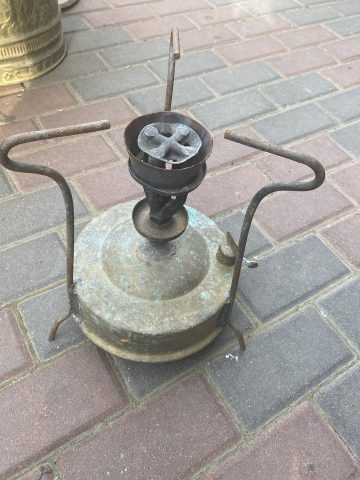
Handcrafted goods hold a special place at the market. Beit Sahour has long been known for its artisans, and you can still find people here shaping pottery by hand, embroidering traditional Palestinian patterns, or weaving baskets from olive branches. These aren’t just souvenirs—they’re living pieces of a culture passed down through families. When you buy something from a local craftsman, you’re not just acquiring an object; you’re taking home a piece of someone’s skill, patience, and history.
The market’s story is woven into the history of Beit Sahour itself. One of the oldest settlements in the region, the town has been a trading hub since biblical times. During the Middle Ages, it sat along key caravan routes connecting Jerusalem to the wider Levant, making the market not just a place of commerce but a social center where disputes were settled, deals were struck, and news traveled. Today, while the scale of trade has changed, the market remains a gathering place for people of all ages and backgrounds, a thread connecting past and present.
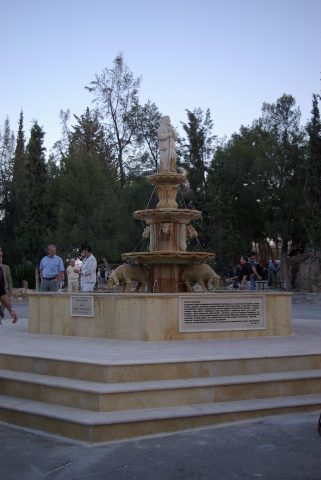
The architecture of the market is practical and unadorned. The surrounding buildings are made of local stone, giving the town its characteristic golden-beige hue. Narrow streets, paved with the same stone, lead to the market, where stalls are often set up in the open air or under light canopies. On hot days, trading begins early, when the air is still cool, and by midday, the market quiets as people retreat from the heat. In the evening, as temperatures drop, life returns to the streets—locals come to buy ingredients for dinner or simply to catch up with neighbors.
What makes Beit Sahour’s market special is its authenticity. There’s no performance here, no attempt to cater to tourist expectations. Instead, it’s a place where ordinary life carries on, whether visitors are present or not. The people who come here do so because it’s part of their routine—they know each other by name, greet one another, haggle over prices, and share stories. For outsiders, it’s a chance to see Palestine beyond headlines and politics, as a place with deep-rooted traditions, warm hospitality, and a culture that endures.
The market doesn’t follow the rigid hours of a supermarket. It operates on its own time. In the early morning, as the sun begins to warm the streets, vendors set up their stalls. By midday, many close to escape the heat, reopening in the evening when the air cools. Weekends are busier, as people from surrounding villages come to shop. On those days, the streets fill with carts of fresh fruit, and the scent of spices and freshly baked bread lingers in the air.
For anyone wanting to understand how people live in this part of the world, Beit Sahour’s market is one of the best places to start. It’s not just about buying local goods—it’s about observing the rhythms of daily life. You might see an elderly woman bargaining over a bunch of herbs, children helping their parents unload produce, or men sipping coffee at a small stall, debating the day’s news. There’s no script here, no curated experience—just the unfiltered reality of a community going about its day.
More than just a place to trade, Beit Sahour’s market is a living part of the region’s cultural identity. It reflects how people here work, connect, and sustain their way of life. In an era where traditional markets are disappearing, replaced by supermarkets and global supply chains, this one remains a pocket of authenticity. There are no plastic wrappers or barcodes—just a direct link between producer and consumer, between town and countryside, between past and present. For travelers seeking more than just sights, the market offers something rare: a glimpse into the real Palestine.