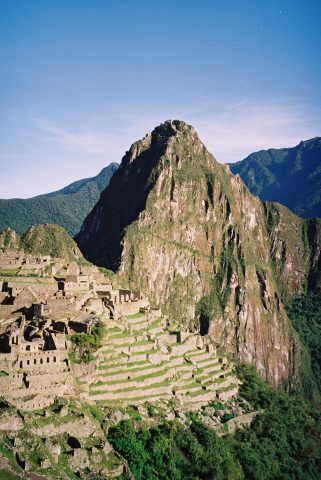
Aguascalientes is a town most travelers know only as a pit stop on the way to Machu Picchu. You arrive in the evening, sleep, and leave at dawn for the bus or the hike to the Inca citadel. But the town has more than a bed and a breakfast—if you walk its streets instead of rushing through them.
One of those walks leads to the Artesanal Market, where local craftspeople sell what they make. It’s not a shop; it’s a look at how Peru lives and creates when no one’s watching.
The market is in the center of Aguascalientes, a few minutes from the train station that takes visitors to Machu Picchu. Turn off the main road toward the bus station, and the stalls appear. No malls, no identical souvenirs—just small booths where everything is made by hand. Ceramics, textiles, silver jewelry, wooden carvings. Each piece shows the local culture and tradition.
Aguascalientes grew around hot springs and the railway that connected Cusco to Machu Picchu in the early 1900s. Before that, it was a village. Now, it’s a place where languages, cultures, and stories mix. The Artesanal Market is part of that. It isn’t as old as the Inca ruins, but it has its own history. Many artisans here learned from older generations, and their work often repeats designs you see in museums or archaeological sites.
Nothing here is mass-produced. Every item takes time. Textiles, for example, are made on traditional looms. Some pieces take weeks or months. The patterns show ancient symbols: stepped pyramids, serpents, condors. These aren’t just decorations; they’re part of Andean mythology. Ceramics carry the same legacy. Many shapes and motifs match those found in Inca settlements. Even if you don’t buy anything, look closely. The details tell you more about the culture than any guidebook.
The vendors aren’t pushy. Most are working—polishing a stone, making a basket, painting a pot. They’ll talk if you ask, but they won’t pressure you. The atmosphere is quiet, like visiting someone’s home. You can watch how things are made, ask about materials or techniques, and sometimes see a craftsman at work right in front of you.
Prices are lower than in Cusco or Lima, but good work isn’t cheap. If you want something meaningful—not just a trinket—look for alpaca wool or silver. Alpaca fiber is soft and warm. Silver has been mined here for centuries. Jewelry is often made using techniques passed down through generations.
The Artesanal Market isn’t just a place to shop. It’s a chance to see how modern Peru lives, where traditions exist alongside the present. No tourist gloss, just people putting care into what they create. Even if you don’t buy anything, it’s worth visiting to feel the rhythm of life in this small town, which thrives in the shadow of Machu Picchu without losing its own identity.
Aguascalientes is often seen as a temporary stop, but those who stay discover its quiet charm. The Artesanal Market is one of those discoveries. It doesn’t demand attention like the famous landmarks, but here you get a sense of the country’s real atmosphere. No crowds, no rush—just a steady pace where every item has a story and every artisan has a tradition. If you’re in Aguascalientes, walk through the market, look at the details, and maybe take home more than a souvenir—something that carries a piece of what makes Peru.