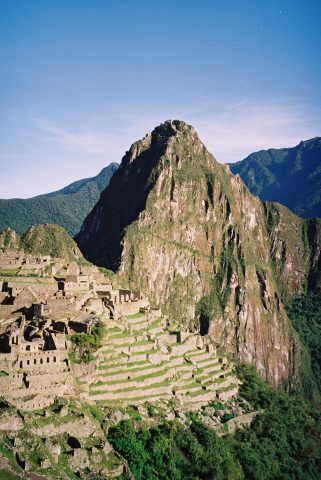
Aguascalientes is one of those quiet Andean towns where the Urubamba River sets the pace. It sits among green hills, near Machu Picchu, and its name—"hot waters"—points to what draws people here: thermal springs that have bubbled up from the earth for centuries. The Inca knew these waters were special, not just for their warmth but for how they eased the body and calmed the mind.
The springs lie in a small valley, a few minutes’ walk from the town center. The air carries the mineral scent of damp earth and sulfur, a sign this water comes from deep within the mountains. The temperature is warm enough to soothe tired muscles but never too hot—usually around thirty-five or forty degrees Celsius. Open-air pools offer views of the surrounding peaks. The water is slightly cloudy, with a soft milky hue. The sulfur smell might take a moment to adjust to, but it’s part of what makes the place feel real.
The Inca revered water as sacred and used these thermal baths in rituals, believing the waters healed. When the Spanish arrived, the spiritual significance faded, but the springs remained. Today, there are no luxury spas—just simple pools, the same ones that have drawn people for generations. The past lingers in the steam rising from the water and the quiet conversations of locals who still come here to unwind.
Aguascalientes stretches along the riverbank, small and unassuming. The streets are narrow, lined with low buildings topped with red-tiled roofs. By day, markets sell fresh fruit, handwoven textiles, and souvenirs. In the evenings, tourists gather in small cafés, sharing stories of their trek to Machu Picchu or simply enjoying the stillness. At night, the stars above the valley seem brighter.
Visit the springs early in the morning or as the sun sets. In the morning, the water feels warm against the cool mountain air, and mist often wraps the valley. By evening, the crowds thin, and the fading light casts long shadows. There’s a small entry fee, and basic facilities like changing rooms are nearby. It’s not a place for grand gestures—just a quiet corner where you can slip into the water and let the warmth work.
The water is rich in sulfur and calcium, which locals say helps the skin and joints. Whether it’s truly medicinal or just the effect of slowing down, the ease that comes after soaking is undeniable. Take your time—let the water adjust to your body, breathe in the mountain air, and let the moment stretch.
Aguascalientes isn’t for those seeking luxury. It’s a place of simple pleasures: the warmth of the water, the sound of the river, the way the mountains close in around you. After the crowds of Machu Picchu, it’s a chance to pause and breathe.
If you’re traveling to Machu Picchu, set aside time for Aguascalientes. The springs are a perfect end to the trip, especially after days of hiking. The water washes away fatigue, and the mountain air fills your lungs. You might even want to return—not for any grand reason, but to sink back into that slow rhythm of the place.