Ambohimanga is one of those places where history feels alive, not just preserved in stone or textbooks. Perched on a hill about twenty kilometers northeast of Antananarivo, this royal complex was once the heart of Madagascar’s pre-colonial monarchy. The name itself means Blue Hill, though the reasons for that are lost to time—some say it was the color of the surrounding forests, others that it referred to the sacredness of the place. For centuries, it served as the spiritual and political center of the Merina kingdom, a dynasty that shaped the island’s identity long before European influence took hold.
The site is a mix of natural beauty and human craftsmanship, where the landscape itself seems to have been shaped by the hands of rulers. The hill is surrounded by deep defensive ditches, a reminder of the wars and alliances that defined Madagascar’s past. The main entrance, known as Ambatomitsangana, is a massive stone gateway that still stands as a testament to the engineering skills of the time. Walking through it, you can almost hear the echoes of royal processions and the murmur of courtiers who once passed this way.
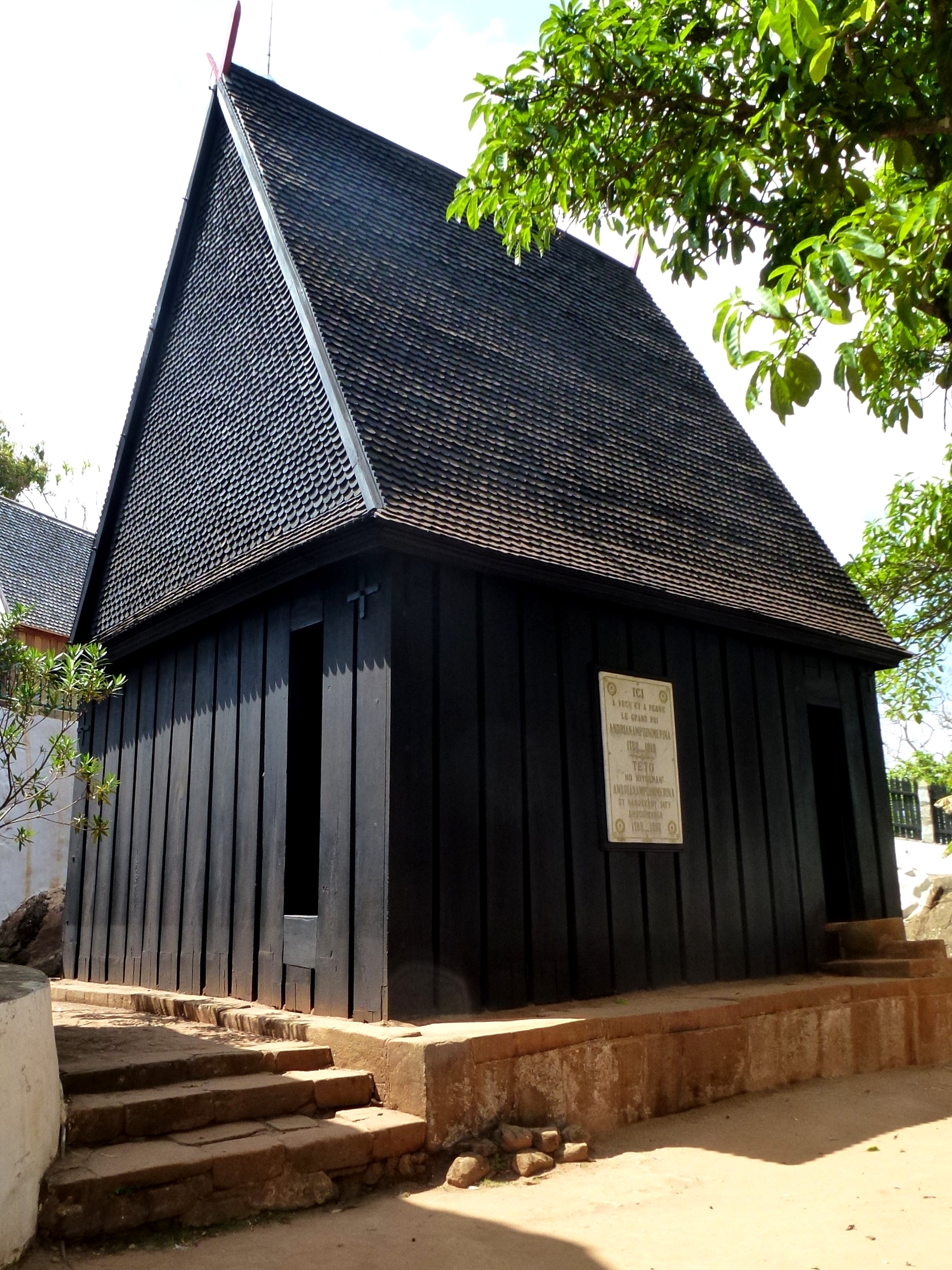
At the top of the hill, the royal village unfolds like a carefully arranged stage set. The buildings are modest by modern standards, but their significance is immense. The wooden palace of King Andrianampoinimerina, who unified much of Madagascar in the late 18th century, is the most famous structure. Its simple, elegant design reflects the Merina aesthetic—practical yet dignified, with intricate carvings that tell stories of power and tradition. Nearby, the royal tombs hold the remains of several monarchs, their presence still felt in the quiet reverence of the place.
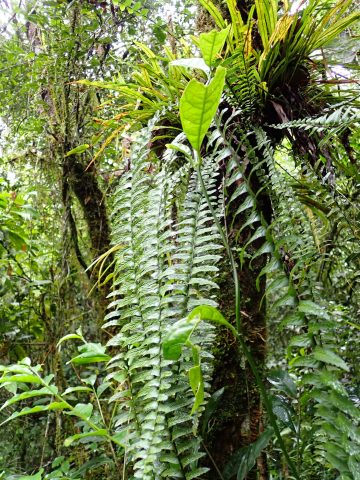
One of the most striking features of Ambohimanga is its sacred forest. The trees here are not just scenery; they are part of the site’s spiritual legacy. Some are said to be hundreds of years old, their gnarled roots twisting into the earth like ancient veins. The forest was a place of ritual and reflection, where kings sought guidance and commoners came to pay respects. Even today, it retains an air of mystery, as if the past is still whispering among the leaves.
The village itself is a living museum, not in the sense of being frozen in time, but in how it continues to be used by locals. Some of the houses are still inhabited, and the rhythms of daily life—children playing, women weaving, men tending to livestock—blend seamlessly with the historical weight of the place. This is not a relic to be observed from behind a rope; it’s a place where history and modernity coexist, sometimes uneasily, but always authentically.
Ambohimanga’s significance goes beyond its physical structures. It was here that many of Madagascar’s most important decisions were made, where kings and queens were crowned, and where the island’s destiny was shaped. The site was also a symbol of resistance during the colonial era, a place where Malagasy identity was fiercely defended. When the French took control in the late 19th century, they moved the capital to Antananarivo, but Ambohimanga remained a potent reminder of what had been lost—and what could never be erased.
Visiting Ambohimanga is not like touring a typical historical site. There are no grand museums or flashy exhibits, just the quiet persistence of the past. The climb up the hill is steep, and the air is often cool, carrying the scent of earth and woodsmoke. The views from the top are breathtaking, stretching over the surrounding countryside with its patchwork of rice fields and villages. It’s easy to see why this place was chosen as a royal stronghold—it commands the land in a way that feels both protective and expansive.
For those who take the time to explore, Ambohimanga offers more than just a glimpse into Madagascar’s history. It’s a place where the layers of time are visible in the worn stones, the weathered wood, and the stories passed down through generations. The guides, often locals with deep ties to the site, share these stories with a mix of pride and humility, as if they are not just recounting history but keeping it alive. There’s no need for embellishment; the place speaks for itself.
In a country where the past is often overshadowed by the challenges of the present, Ambohimanga stands as a quiet but powerful reminder of what came before. It’s not just a destination for tourists; it’s a pilgrimage site for Malagasy people, a place where they come to connect with their roots. Whether you’re drawn by history, architecture, or simply the desire to stand in a place where so much has happened, Ambohimanga leaves an impression that lingers long after you’ve descended the hill.