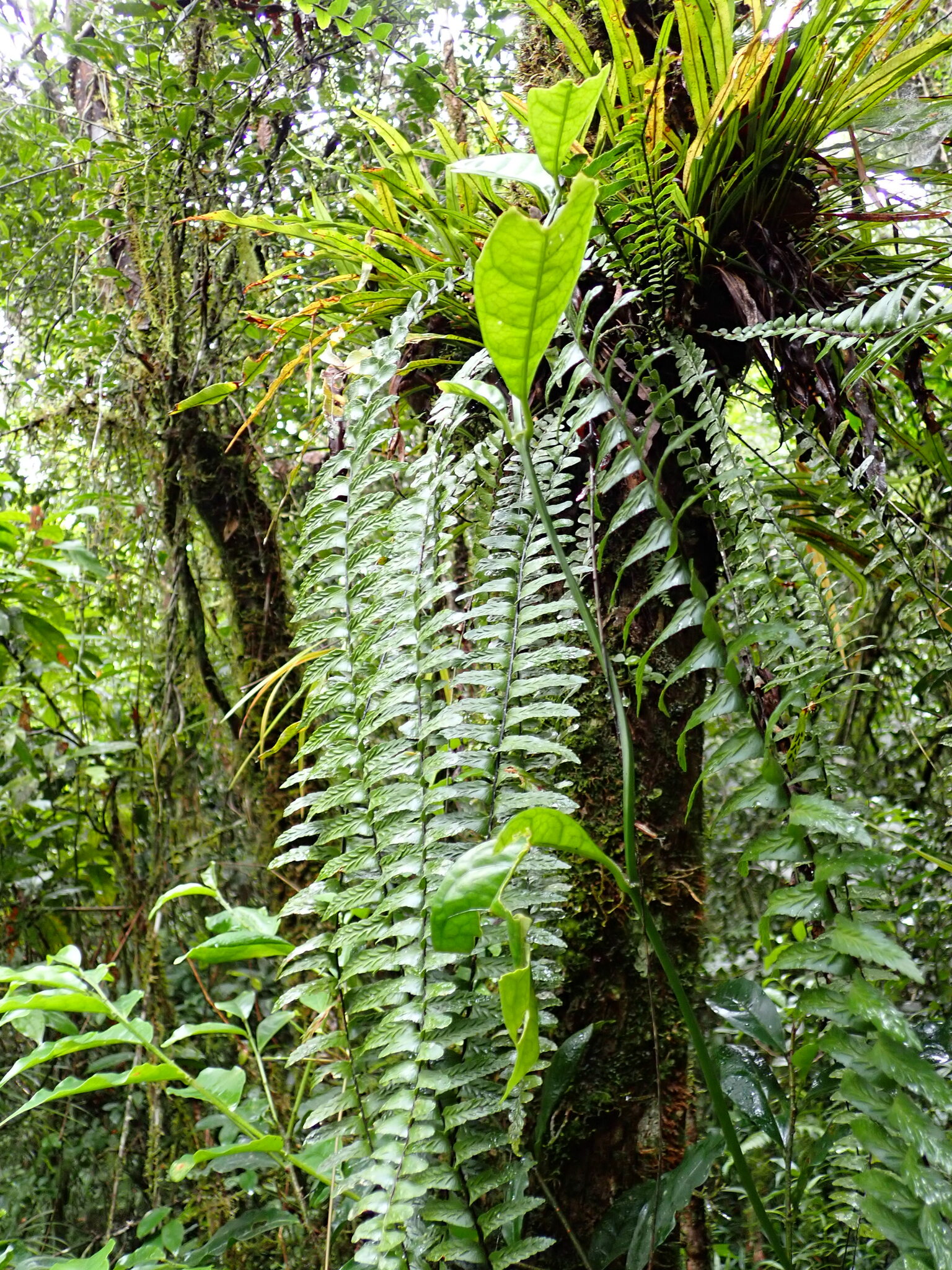
Andasibe-Mantadia is one of Madagascar’s most celebrated natural reserves. A two-hour drive east of Antananarivo takes you to a place where the island’s wild heart beats strongest. The park isn’t vast, but its raw, untouched beauty compensates for its size. Dense rainforest covers rolling hills, their emerald canopies dripping with moisture. The air smells of damp earth, eucalyptus, and moss. The only sounds are the distant calls of lemurs and the rustle of leaves. There are no crowds, no paved paths—just narrow trails winding through the undergrowth.
The park’s origins date to the mid-20th century, when these lands became a protected area. Initially, the focus was on safeguarding Madagascar’s endangered lemurs. Over time, the reserve expanded. By the 1990s, it had grown into a national park. Many species here exist nowhere else on Earth. The forest has changed little over the decades, preserving a slice of Madagascar as it once was.
Lemurs dominate the park’s wildlife. Several species live here, but the indri stands out—it’s the largest living lemur. Their haunting calls echo through the trees at dawn and dusk. Indris move in tight-knit family groups, leaping between branches with effortless grace. Watching them feed or play feels like a privilege. Other lemurs, like the diademed sifaka or the nocturnal mouse lemur, add to the park’s primate diversity.
The forest holds more than lemurs. Over a hundred bird species flit through the canopy. Chameleons creep along branches, shifting colors. Frogs, snakes, and insects thrive in the undergrowth. Night walks reveal another side of the park. Mouse lemurs, tiny and wide-eyed, dart between the trees. The forest feels alive with unseen movement.
The plant life is just as striking. Towering trees, wrapped in vines, filter sunlight into a soft green glow. Orchids and ferns thrive in the damp understory. Giant baobabs stand like ancient sentinels in certain parts of the park. Every leaf and root seems to pulse with quiet energy.
The park splits into two areas. Andasibe is more accessible, with well-marked trails and viewpoints. Most visitors start here, drawn by lemur sightings and maintained paths. Mantadia is wilder. Trails are rougher, distances longer, and the forest thicker. Wildlife sightings aren’t guaranteed, but that’s part of the appeal. It’s a place for those who want to experience Madagascar’s untamed side.
Visiting the park isn’t about ticking off sights. It’s about immersing yourself in the forest’s rhythm. There’s no rush. Local guides know the park intimately. They’ll point out a chameleon on a branch or help you recognize an indri’s call. Without them, much of the magic would go unnoticed.
April to November is the best time to visit. The rainy season eases, trails dry out, and wildlife is more active. Cooler temperatures make hiking comfortable. The park is worth visiting year-round, though. Even in wetter months, the forest transforms—lush and intense.
What stays with you isn’t just the sight of a lemur or the sound of the forest at dawn. It’s the feeling of stepping into a world that operates on its own terms. The park has held onto its wildness despite its proximity to the capital. That makes it special—a place where time moves differently, and the line between observer and observed blurs.