Antananarivo doesn’t give up its secrets easily. The capital of Madagascar hums with life, its streets crowded with vendors, motorbikes, and the constant murmur of a city that never quite slows down. But step away from the main thoroughfares, and you might stumble upon a quiet corner where the island’s wild heart still beats. Tsimbazaza Botanical and Zoological Garden is one of those places—a pocket of green where time moves differently, and the noise of the city fades into the background.
The garden began in the early 1900s, when Madagascar was still under French colonial rule. What started as a small plot of land for studying the island’s unique flora and fauna has since grown into a sprawling scientific hub. Today, Tsimbazaza is more than just a park; it’s a place where endangered species are protected, and research helps unravel the mysteries of Madagascar’s fragile ecosystems. For visitors, though, it’s first and foremost a chance to wander among trees and animals that exist nowhere else on Earth.
The architecture here is unassuming but carries a quiet charm. Low stone buildings with terracotta roofs, remnants of the colonial era, stand alongside modern enclosures and greenhouses. The paths wind through the garden, climbing gentle slopes and descending toward ponds where herons wade and ducks glide across the water. In the heat of the day, the shade of baobabs and palms offers relief, while in the evening, the air fills with the calls of nocturnal creatures.
Lemurs are the garden’s most famous residents. These curious primates, with their wide eyes and long tails, have become symbols of Madagascar, and here you can see them up close. Some live in spacious enclosures, while others roam freely, often approaching visitors in hopes of a snack. The ring-tailed lemurs, in particular, are bold and photogenic, unafraid to pose for pictures. But lemurs are just the beginning. The garden is home to dozens of chameleon species, from tiny ones no bigger than a fingernail to larger ones that shift colors in seconds. There are snakes, tortoises, and rare birds whose bright feathers flash against the greenery.
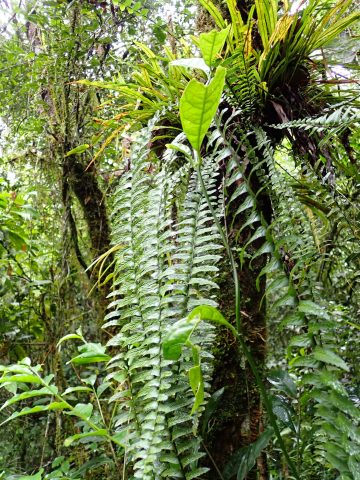
The plant life is just as remarkable. Tsimbazaza holds hundreds of species, many of them found only in Madagascar. The baobabs are the most striking—trees that seem to grow upside down, their thick trunks supporting sprawling canopies. Some were planted over a century ago and now tower over the garden like living monuments. There’s also a collection of orchids, medicinal plants used by locals for generations, and greenhouses filled with rare ferns and cacti from across the island.
Beyond being a place for leisurely strolls, Tsimbazaza serves as an important educational center. School groups often visit, learning about conservation and the importance of protecting Madagascar’s biodiversity. Informational signs in French and Malagasy explain the role of each species in the ecosystem and the threats they face. Occasionally, the garden hosts lectures and workshops where researchers share their findings. This makes Tsimbazaza more than just a tourist attraction—it’s a place where science comes to life.
The atmosphere here is peaceful, almost meditative. Unlike the bustling markets and crowded streets of Antananarivo, Tsimbazaza is a place of quiet, broken only by birdsong and the rustle of leaves. There are no rigid itineraries or must-see spots—just winding paths and the freedom to explore at your own pace. You can sit by a pond, watch the lemurs play, or simply wander without a destination in mind.
The garden is open year-round, but the best time to visit is during the dry season, from May to October. The weather is mild, and the animals are most active. During the rainy season, some paths may be muddy, and the creatures might seek shelter from downpours, but the landscape is lush and vibrant. Either way, Tsimbazaza is worth a visit, offering a glimpse of Madagascar beyond the postcard images—a place where nature follows its own rules.
Of course, the garden isn’t perfect. Some enclosures feel cramped, and parts of the infrastructure could use updating. But these flaws don’t diminish its significance. Tsimbazaza is one of the few places on the island where you can experience Madagascar’s unique wildlife and plant life in one setting. There are no luxury hotels or fancy restaurants here, just the raw, untamed spirit of the island. And perhaps that’s what makes it so special.