Ambohimanga is one of those rare places where history doesn’t just feel preserved—it feels alive. Perched on a hill just outside Antananarivo, it was once the political and spiritual heart of the Merina Kingdom, one of Madagascar’s most powerful dynasties. The view from the top stretches across the highlands, but the real draw isn’t the landscape. It’s the weight of the past beneath your feet, the sense that this hill has witnessed centuries of decisions that shaped the island’s identity. Kings and queens once gathered here to debate war and peace, to perform rituals that bound the living to their ancestors. Today, it remains a place where Malagasy people come to reconnect with those roots, not as a relic, but as a living part of their culture.
The architecture of Ambohimanga is a quiet testament to the ingenuity of the Merina people. The stone walls encircling the royal complex were built without mortar, yet they’ve stood for generations, their stability seeming almost deliberate, as if the land itself had a hand in their construction. Inside, the wooden palaces and intricately carved gates tell a story of practicality meeting symbolism. The Rova palace, built in the early 19th century for King Andrianampoinimerina, is the most striking example. Its design is simple—local wood, thatched roofs, open verandas—but every element serves a purpose, from the orientation toward the cardinal directions to the way the buildings blend into the hillside. There’s no grandiosity here, just a deep harmony with the surroundings, as if the structures grew from the earth rather than being imposed upon it.
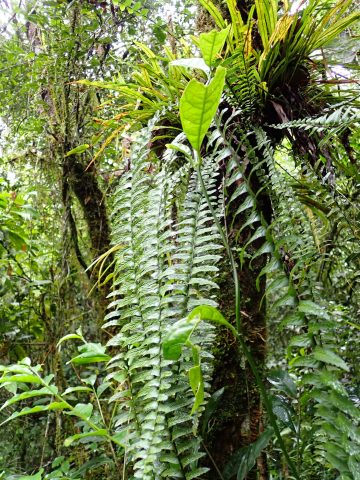
The hill is surrounded by sacred forests where cutting trees or hunting has been forbidden for centuries. For the Malagasy, these groves are more than just protected land; they’re the domain of ancestral spirits, places where the boundary between the living and the dead feels thin. Visitors are asked to move quietly, to speak softly, to respect the stillness. This wasn’t always a place open to outsiders. For much of its history, Ambohimanga was off-limits to foreigners, a sanctuary reserved for royalty and ritual. It wasn’t until the late 20th century that it was made accessible to the public, a decision that came with hesitation. Many feared that tourism would erode its sacredness, but the hill has a way of preserving itself. Those who arrive with reverence leave with more than photographs—they carry a sense of having touched something enduring, something that refuses to be reduced to a mere tourist attraction.
One of the most significant spots on the hill is a natural spring near its base. According to legend, its waters have healing properties, and even now, people leave offerings—coins, flowers, food—for the spirits. In the past, kings would bathe here before major events, believing the water would cleanse them of doubt and fortify their decisions. Today, the spring still draws visitors, though not all come seeking miracles. Some simply want to dip their hands into the same cold, clear water that has flowed here for centuries, to feel the continuity of time. The water is always cool, even on the hottest days, as if it carries the memory of every hand that has cupped it.
Ambohimanga isn’t a museum. It’s a place where the past is still actively honored. Traditional ceremonies take place here throughout the year, especially during national holidays and festivals. Locals bring offerings—rice, rum, money—to the sacred sites, leaving them as a sign of respect for those who came before. For outsiders, it’s a rare chance to see how history isn’t just remembered here; it’s lived. There are no pushy guides or souvenir stalls, just the quiet rustle of leaves and the occasional murmur of a prayer. The absence of commercialization isn’t an oversight—it’s a choice, a way of ensuring that the hill’s spirit remains intact.
A visit to Ambohimanga demands patience. This isn’t a place to rush through, snapping photos between distractions. It’s small, but every corner holds a story. The old cannons, rusted and silent, once defended the kingdom from invaders. The wooden panels inside the royal chambers, carved with geometric patterns, speak of a culture that valued both beauty and meaning. Even the stones underfoot feel different here, worn smooth by generations of footsteps. They’ve seen coronations and exiles, celebrations and betrayals, and they’ve outlasted them all.
In recent decades, Ambohimanga has drawn attention from historians and conservationists, who work to preserve its structures without stripping away their authenticity. But the hill’s true value isn’t in its physical state—it’s in the role it continues to play in the lives of the Malagasy. For them, it’s not just a historical site; it’s a place of power, where the past feels present in a way that’s hard to describe. It’s where you go to remember, to reflect, to feel part of something larger than yourself.
If you find yourself in Antananarivo, it’s worth venturing beyond the city’s usual stops. Ambohimanga is only a short distance away, but the moment you step onto the hill, the noise of the capital fades. There are no crowds here, no hurried footsteps. Just the wind moving through the sacred trees and the quiet hum of history, waiting for those who are willing to listen. It’s the kind of place that lingers in your mind long after you’ve left, not because of what you saw, but because of what you felt.