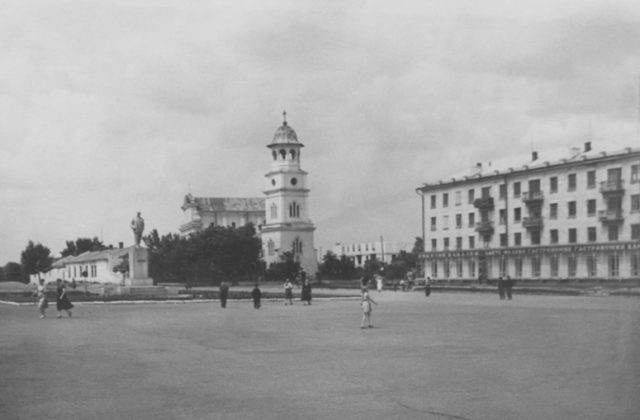
Rudy is one of those quiet Moldovan villages that rarely appear on tourist maps. There are no bustling streets, no neon signs, no crowds of visitors—just the kind of stillness that feels like it has been here for centuries. Time moves differently in places like this, slower and more deliberate. At the heart of the village stands a small local history museum, housed in an old building that holds the stories of the people who lived here, their labor, traditions, and lives. The museum isn’t large, but that’s part of its charm. There’s no rush, no need to hurry past the exhibits. Each object has its own quiet presence, a tangible connection to the past.
The building itself is a piece of history. Constructed in the early 20th century, it carries the marks of time—high ceilings, heavy wooden doors, floors that creak underfoot. The architecture is simple, unadorned, but that’s where its appeal lies. It feels like stepping into the world of a hundred years ago, a place where life was measured not in minutes, but in seasons. Inside, the walls are lined with photographs, documents, and everyday objects that transport visitors to another era. There are no grand halls or flashy displays here, just the quiet authenticity of how things once were.
The museum’s exhibits focus on the history of Rudy and its surroundings, beginning with the lives of the peasants who worked these lands for generations. The tools on display—wooden plows, sickles, flails for threshing grain—look rough-hewn, but they speak of skill and patience. These were the implements that fed families, shaped by hands that knew the land intimately. Nearby, traditional clothing is preserved: embroidered shirts, handwoven belts, and headscarves. Each piece tells a story of a culture passed down through generations, where craftsmanship was as much about identity as it was about necessity.
Winemaking holds a special place in the museum’s collection. Moldova is known for its wines, and Rudy is no exception. The village is surrounded by vineyards that stretch for miles, and for as long as anyone can remember, its people have cultivated grapes and made wine. The museum displays old presses for crushing grapes, barrels for fermentation, and bottles of wine from different years. There are also explanations of the traditions tied to winemaking—the harvest rituals, the communal work, the celebrations that marked the end of the season. For Rudy, wine isn’t just a product; it’s a thread that weaves together past and present, a craft that defines the village as much as the land itself.
A separate section of the museum covers the 20th century, a time of upheaval for the village. Photographs, documents, and personal belongings tell the stories of those who lived through wars, collectivization, and political changes. Among the exhibits are letters from the front, military medals, and everyday items from wartime. These objects are a reminder of how small villages like Rudy were shaped by larger historical forces. The most moving displays are the photographs of local residents—ordinary people who farmed, built, and raised families, never imagining that their faces would one day be part of a museum’s collection.
The museum isn’t just a place to preserve the past; it’s a space where generations meet. Schoolchildren often visit on field trips, learning about the lives of their ancestors through objects and stories that still resonate in their grandparents’ memories. For older visitors, the museum is a chance to reconnect with their own past, to see familiar items and hear tales they once knew by heart. In this way, the museum serves a deeper purpose: it keeps the connection to history alive, ensuring that the past isn’t forgotten but carried forward.
Visiting the museum in Rudy is less about seeing exhibits and more about stepping into the rhythm of village life. There’s no need to rush. You can sit on a bench outside, flip through old photographs, or listen to the stories of locals. Time here moves at its own pace, unhurried, just as it has for generations. The museum doesn’t feel like a separate attraction—it’s woven into the fabric of the village, a natural part of its existence.
If you find yourself in this part of Moldova, don’t just pass through. Take a moment to stop, visit the museum, and talk to the people who call Rudy home. In a world that often feels disconnected, this is a place where history isn’t just remembered—it’s still alive.