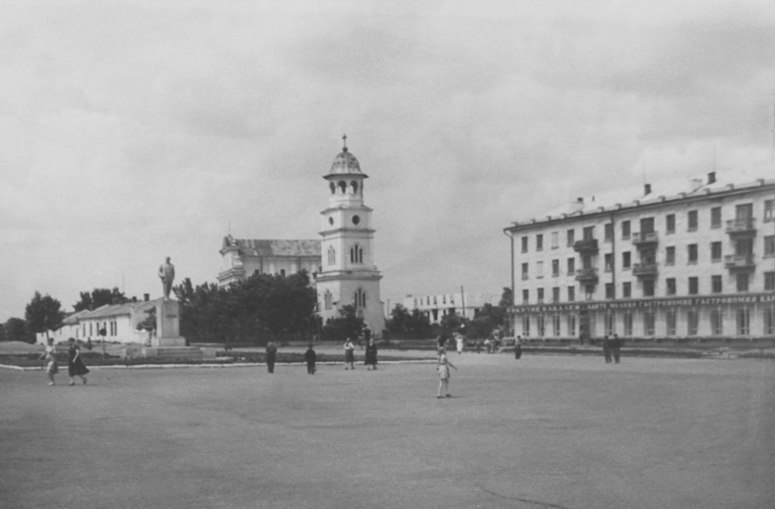
In the quiet Moldovan village of Rud, where gentle hills roll into endless vineyards, stands a monument that carries far more meaning than its modest size might suggest. It honors Stephen the Great, a ruler whose name still resonates deeply in Moldova, not just as a historical figure but as a symbol of resilience and unity. The statue isn’t here by chance—Rud lies near the site of one of the most pivotal battles of the 15th century, a clash that shaped the fate of the Moldavian principality.
Stephen the Great, or Ștefan cel Mare, ruled Moldova from 1457 to 1504, a period when the small principality stood firm against far larger and more powerful neighbors. The Ottoman Empire, Hungary, and Poland all sought to dominate these lands, but Stephen’s leadership turned Moldova into a formidable force. He wasn’t just a warrior; he was a patron of culture, overseeing the construction of churches and monasteries that still stand today. His legacy endures in folk tales, songs, and the collective memory of a nation that sees him as a wise and unyielding protector.
The monument itself is unassuming, almost understated. Stephen is depicted in full length, dressed in the traditional attire of his time, one hand resting on the hilt of a sword, the other holding a cross. The sword speaks of his military prowess, the cross of his role in strengthening Orthodox Christianity in Moldova. Cast in bronze, the statue doesn’t aim for grandeur—it feels more like a quiet tribute, a reminder of a leader who valued substance over spectacle.
Rud was chosen for this monument for a reason. Nearby lies the village of Lipcani, where in 1470 Stephen won a crucial battle against Tatar forces. That victory was one of many that cemented his reputation as a brilliant strategist. Today, the area is peaceful, the only sounds the rustling of leaves and the occasional breeze through the vineyards. The landscape hasn’t changed much over the centuries, and that continuity makes the monument feel even more fitting.
For Moldovans, Stephen the Great is more than a historical figure—he’s a part of national identity. His name appears on streets, schools, and even the country’s currency. People come to Rud not just as tourists but as visitors paying respect to a leader who held Moldova together during turbulent times. There are no crowds here, no grand ceremonies, just a quiet place where history feels close enough to touch.
The setting of the monument adds to its impact. Unlike many statues in bustling city squares, this one stands in open space, surrounded by nature. There are no towering buildings or busy roads nearby, just fields and hills that stretch into the distance. The simplicity of the location makes the figure of Stephen seem almost like a natural part of the landscape, as if he’s always been here, watching over the land he once defended.
Visiting the monument isn’t about ticking off a tourist attraction—it’s about stepping into history. There are no detailed plaques or interactive displays, and that’s part of the charm. You don’t need explanations to feel the weight of the place. Just standing there, looking out over the hills, it’s easy to imagine the past: armies marching across these fields, banners flying in the wind, and a leader who stood firm when it mattered most.
For those curious about Moldova’s history, Rud can be a starting point for further exploration. Nearby are monasteries, fortresses, and other battlefields tied to Stephen’s era. But even if you’re not planning a deep dive into the past, the monument leaves an impression. It’s a place where history isn’t packaged for tourists—it’s just there, quiet and unassuming, yet undeniably real. In a world where so much is staged for effect, that authenticity feels rare and precious.