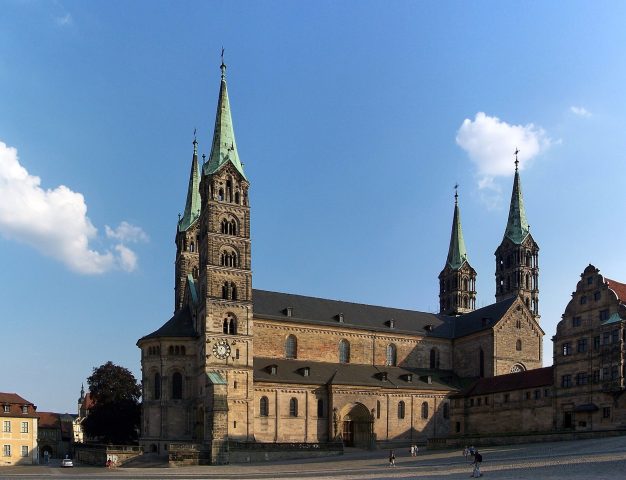
Bamberg’s Rosengarten is one of those quiet places that feel like a secret, even though it sits right in the heart of the city. Tucked behind the cathedral, it’s easy to miss if you’re hurrying past, but those who wander in find something rare—a pocket of calm where the past lingers without demanding attention. Unlike the bustling squares nearby, the garden doesn’t draw crowds. It doesn’t need to. Its charm lies in its unassuming presence, a place where locals come to pause, and visitors stumble upon by accident, often surprised by how quickly the noise of the city fades.
The garden dates back to the early 18th century, when it was part of the bishop’s residence. Back then, it served as more than just a pleasant retreat; it was a statement. For the bishops of Bamberg, a small but strategically important city, beauty was a form of influence. The garden reflected their taste and authority, a carefully cultivated space where power could be displayed subtly. Over time, its role shifted. It became a gathering spot for townspeople, a venue for celebrations, and sometimes just a shelter from the weather. Today, little remains of its original grandeur, but the sense of tranquility has endured, as if the walls and trees still remember the conversations and footsteps of centuries past.
The architecture of the Rosengarten is understated, almost modest, yet everything fits together with quiet elegance. Low stone walls, draped in ivy, guide you along winding paths that weave between flowerbeds and old trees. At the center stands a small Baroque pavilion, delicate in its design—light enough to seem almost whimsical, yet perfectly in place. Its white columns and lacy ironwork hint at a time when music drifted through the air and important discussions unfolded beneath the rustling leaves. Nowadays, the pavilion is mostly empty, though in warmer months, it occasionally hosts small exhibitions or intimate concerts, as if the garden itself decides when to come alive again.
Roses give the garden its name, though you won’t find them in overwhelming numbers. The ones that bloom, however, are striking, especially in June when their scent hangs heavy in the air. The contrast of petals against the greenery feels like a small celebration, a reminder that beauty doesn’t need to be extravagant to leave an impression. But the Rosengarten isn’t just a summer destination. In spring, the air is crisp with new growth; in autumn, leaves crunch underfoot; and in winter, snow softens the edges of the benches and branches, turning the space into something almost magical. Each season brings its own rhythm, and the garden adapts without fuss.
For Bamberg’s residents, the Rosengarten is woven into daily life. It’s where students bring their books to read on a bench, where couples meet for quiet conversations, or where someone might sit alone, watching the play of light through the leaves. Tourists rarely linger here as long as they do at the cathedral or the old town hall, and that’s part of its appeal. The garden doesn’t thrive on attention; it exists comfortably in the background, a place where time slows down. If you’re lucky, you might see a local tending to the flowers or trimming the hedges—small, ordinary acts that make the space feel lived-in rather than preserved.
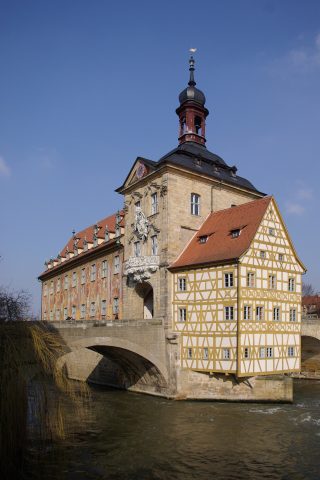
Just steps away, the Old Town Hall offers a striking contrast. Perched on a bridge over the Regnitz River, its frescoed facades and dramatic setting draw the eye, while the Rosengarten remains a retreat from the city’s more theatrical side. Walking between the two feels like moving between different versions of Bamberg—one loud and full of stories, the other quiet and introspective. The shift in atmosphere is subtle but telling, a reminder of how the city balances its layers of history without letting any one part overshadow the rest.
Despite its small size, the Rosengarten holds many moods. One corner might be filled with the murmur of students debating their latest assignments, while another is occupied by an elderly man scattering breadcrumbs for pigeons. Occasionally, the garden hosts small fairs or festivals, and for a little while, music and laughter fill the air. Yet even then, it doesn’t lose its essence. The joy feels contained, as if the garden has a way of absorbing energy without letting it disrupt its peace. It’s a place where celebration and stillness coexist, each enhancing the other.
Bamberg is a city where history is always present, and the Rosengarten is no exception. But unlike the grand monuments that demand admiration, the garden invites you to simply be. There are no grand declarations here, no towering structures vying for attention. Instead, there’s the quiet rustle of leaves, the occasional chime of the cathedral bells in the distance, and the sense that time moves differently within these walls. It’s the kind of place that doesn’t reveal itself all at once. You might visit once and remember it fondly, or you might return again and again, each time noticing something new—a different angle of light, a flower you hadn’t seen before, or the way the pavilion’s shadow stretches across the path at dusk.
What makes the Rosengarten special isn’t just its history or its beauty, but the way it feels like a pause in the rhythm of the city. It’s a place where you can sit and listen to the silence, or watch the world go by without feeling like part of the spectacle. In a town where every cobblestone seems to have a story, the garden offers something simpler: a moment to breathe, to reflect, or to do nothing at all. And perhaps that’s why it lingers in the memory long after you’ve left.