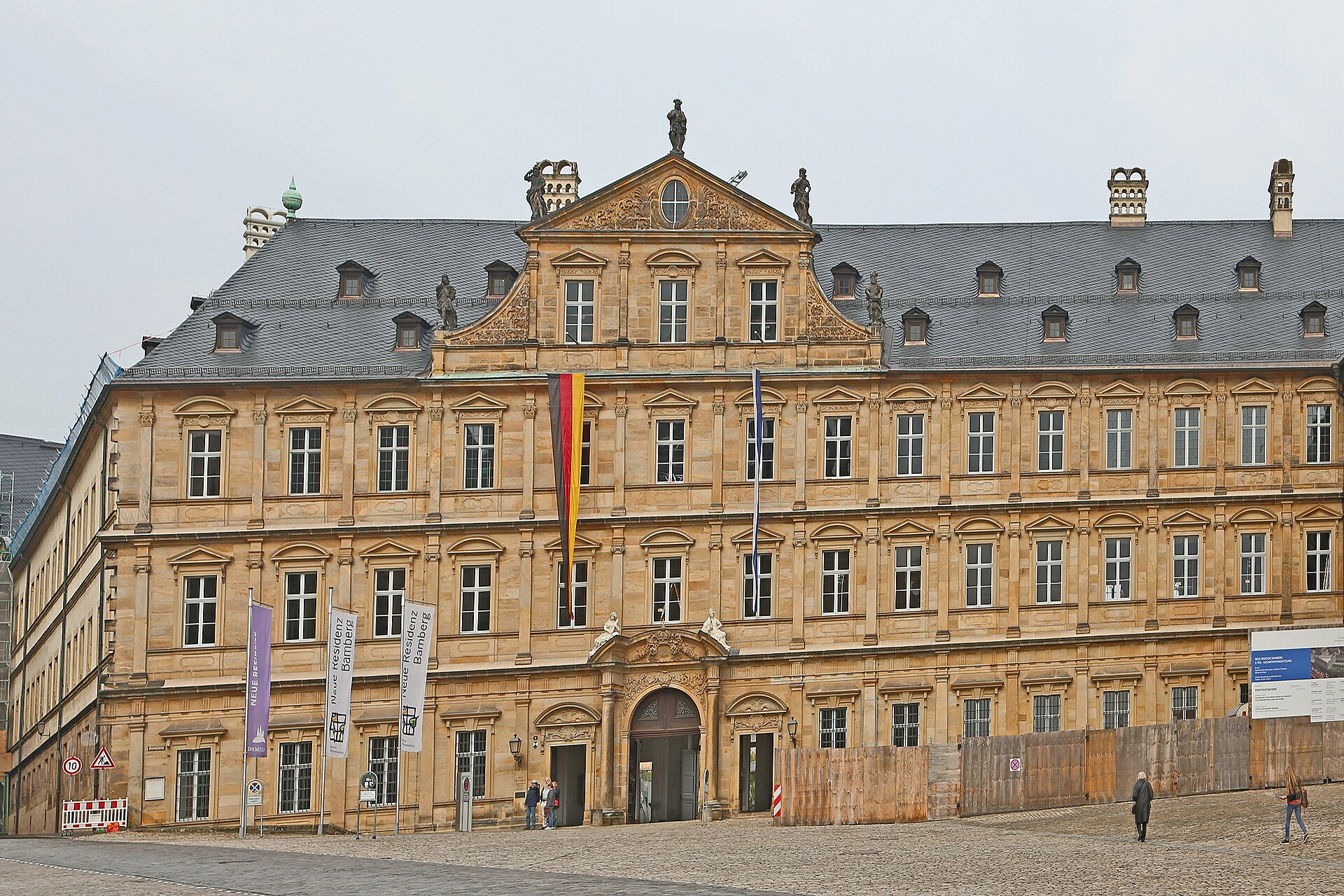
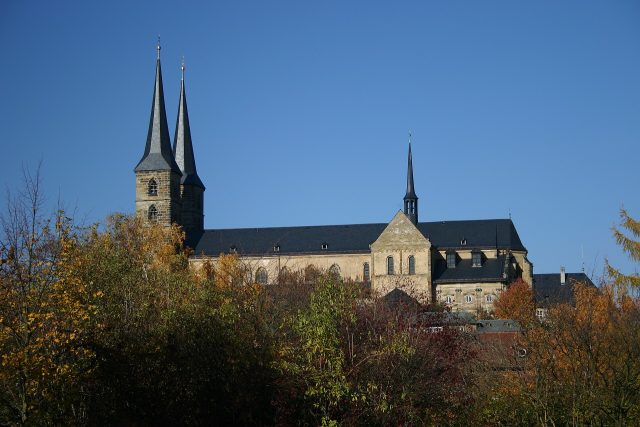
The New Residence in Bamberg isn’t just another historic building—it’s a living chapter of a city shaped by centuries of power, faith, and artistry. Built in the early 1600s, it became the seat of Bamberg’s prince-bishops, figures who left an indelible mark on the city’s identity. Bamberg itself, a UNESCO World Heritage site, wears its medieval past lightly, but the New Residence adds a layer of Baroque grandeur to its story. The moment you step inside, the weight of history settles around you, from the imposing stone walls to the ornate interiors where every room whispers of the people who once walked these halls.
The architecture of the New Residence is a testament to the hands of many masters. The original design came from Leonhard Dientzenhofer, but construction stretched over decades, absorbing influences from different eras. The façade, with its symmetrical windows and decorative flourishes, is unmistakably Baroque, yet inside, traces of Renaissance elegance linger. The grand staircase is the building’s crowning glory—one of Germany’s most breathtaking. Its vaulted ceilings are adorned with frescoes, and the steps seem to ascend into another world, one of opulence and ceremony.
Inside, the residence unfolds as a series of rooms, each with its own character. The Imperial Hall is a dazzling display of craftsmanship, where gilded stucco, ceiling paintings, and massive chandeliers create an atmosphere of regal splendor. This was where receptions and official events once took place, and it’s easy to imagine the murmur of voices and the strains of music filling the space. Nearby, the library offers a quieter kind of magic. Though many of its rare manuscripts and books have since been moved to museums, the room still feels like a sanctuary of knowledge, its shelves lined with the ghosts of centuries-old tomes.
Beyond the walls of the residence lies the Rose Garden, one of Germany’s most celebrated Baroque gardens. Designed in the 18th century, it’s a masterpiece of symmetry, where geometric flowerbeds, fountains, and sculptures create a sense of order and harmony. The garden was meant for leisurely strolls and contemplation, and that purpose hasn’t changed. In summer, roses bloom in carefully arranged patterns, while autumn turns the leaves to gold, casting shifting shadows across the paths. It’s a place where time seems to slow, offering a respite from the bustle of the city.
The New Residence is deeply woven into Bamberg’s history. During the Middle Ages, the city was a religious powerhouse, and its bishops wielded considerable influence. The residence wasn’t just a home—it was the administrative heart of the region, where decisions that shaped lives were made. Even after secularization in the 19th century, when the building passed into state hands, its significance endured. Today, it houses museums and exhibition spaces, where visitors can explore the art and culture of different periods, from medieval altarpieces to Baroque masterpieces.
Walking through the New Residence is like stepping into a time machine. The halls echo with the footsteps of countless individuals—bishops, diplomats, artists—who once gathered here. You can’t help but wonder about the conversations that took place beneath these ceilings, the secrets these walls might hold. Bamberg is a city where history feels tangible, and the New Residence is one of those rare places where the past isn’t just remembered but experienced. There’s no rush here, no modern clamor, just the quiet dignity of a bygone era.
For art lovers, the residence is a treasure trove. Its collections span centuries, from medieval religious works to Baroque paintings, with a particular emphasis on local artists who captured the spirit of Bamberg and its surroundings. Each exhibition offers a glimpse into a different moment in time, revealing how tastes and styles evolved. The pieces aren’t just displayed—they’re given room to breathe, allowing visitors to connect with the stories behind them.
But the New Residence isn’t a static museum. It’s a place that continues to evolve, hosting classical concerts, lectures, and temporary exhibitions. In summer, the Rose Garden becomes an open-air venue for performances, while in winter, the halls transform into intimate spaces for discussions and gatherings. The city invests in keeping the residence relevant, ensuring it remains not just a monument but a vibrant cultural hub where the past and present intersect.
Bamberg doesn’t give up its secrets easily. To truly understand it, you need to wander its narrow streets, peek into hidden courtyards, and climb the hills for views of its rooftops and church spires. The New Residence is one of those places where the city reveals itself in unexpected ways. There are no crowds here, no souvenir shops—just the quiet rhythm of history waiting to be discovered. It’s a place for those who appreciate the unhurried pace of exploration, where every corner holds the promise of a story.