The Royal Museum of Mankon in Bamenda is one of those rare places where history isn’t just preserved behind glass—it breathes in the very walls, the artifacts, and the air itself. Housed within the former palace of the Mankon rulers, one of the most influential kingdoms of the Fon people in northwestern Cameroon, the museum is more than a collection of objects; it’s a living extension of a lineage that shaped the region for centuries. The palace itself, built in the traditional style with thick wooden beams, clay walls, and a roof of woven palm leaves, still carries the weight of its past. Walking through its halls, you can almost hear the echoes of councils where elders once debated the fate of their people.
The museum’s origins trace back to the late 20th century, but its collection is far older, spanning generations of Fon history. Here, you’ll find objects that once belonged to kings and chiefs: ceremonial masks, intricately woven robes, weapons, jewelry, and everyday tools that tell stories of power, ritual, and daily life. Among the most significant pieces are the thrones and staffs of authority, symbols of a leadership that has always been deeply tied to ancestry. These aren’t just relics—they remain active in the community, brought out during festivals and ceremonies that blur the line between past and present. The Fon people believe that the past isn’t something distant; it’s a living force that shapes their world today.
The architecture of the palace-museum is a marvel in its own right. Built without a single nail, the structure relies on wooden pegs and plant-fiber ropes to hold its massive beams together. This technique isn’t just a testament to the skill of local craftsmen—it’s a reason the building has endured for so long. Inside, the high-ceilinged halls, once used for gatherings and royal audiences, now house exhibits, but they haven’t lost their sense of purpose. The space still feels alive, as if the spirits of those who once walked here linger in the shadows.
A highlight of the collection is the masks and sculptures tied to ancestor worship, a cornerstone of Fon belief. For the Fon, ancestors aren’t just memories; they’re active participants in life, offering protection and guidance through rituals and dreams. The masks on display aren’t mere art—they’re tools for communicating with the unseen world. Some are so sacred that their viewing is restricted, and photography is forbidden. This underscores the museum’s role not just as a repository of artifacts, but as a guardian of sacred knowledge, where the spiritual and the historical intertwine.
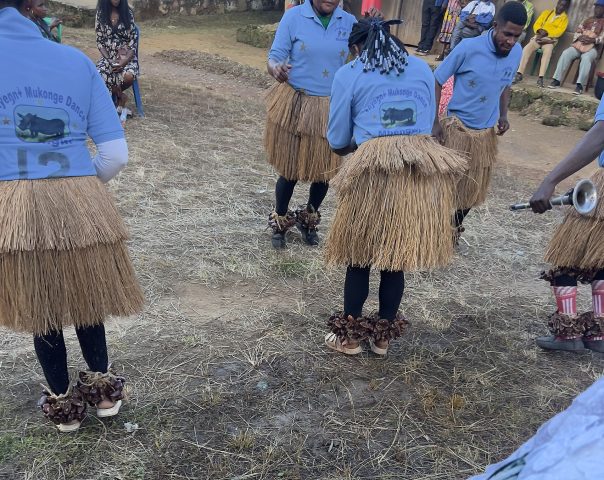
Beyond its permanent exhibits, the museum frequently hosts temporary displays that dive deeper into Fon culture. You might find yourself learning about traditional crafts like weaving, pottery, or woodcarving—skills still passed down from master to apprentice. Occasionally, the museum offers workshops where visitors can try their hand at these crafts or even learn the rhythms of the drums that accompany many ceremonies. These events transform the museum from a place of observation into one of participation, where culture isn’t just seen but experienced.
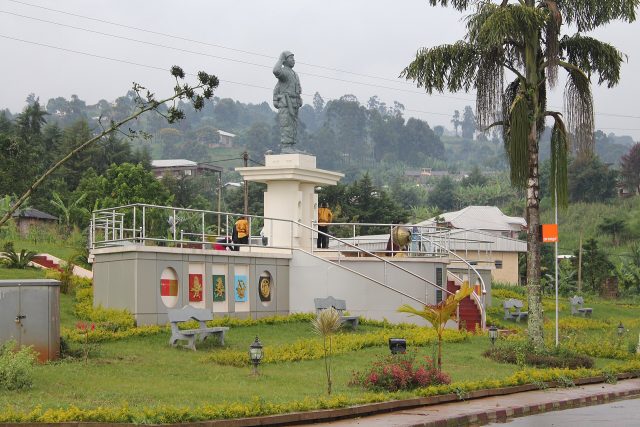
Bamenda, the city that surrounds the museum, has a complex history. Located in Cameroon’s Anglophone region, it has long been a focal point of political and social tensions. In this context, the Royal Museum of Mankon takes on an even greater significance. It’s not just a keeper of history but a symbol of resilience and continuity. For locals, it’s a place to reconnect with their roots; for visitors, it’s a window into a culture that has preserved its identity despite centuries of upheaval.
A visit here is far from a typical museum experience. There are no dry plaques or sterile descriptions. Instead, local guides—often descendants of the very craftsmen and tradition-keepers who created these objects—bring the exhibits to life. They’ll explain the meaning behind the patterns on a mask, share the legend tied to a ceremonial staff, or demonstrate how to wear a traditional garment. Their stories make the past feel immediate, as if the artifacts are still in use, still part of a living tradition.
The museum isn’t just for tourists; it’s a cultural hub for the entire region. Festivals, concerts, and educational programs draw crowds from across Cameroon and beyond. Researchers and anthropologists collaborate with the museum to study and preserve Fon heritage, yet it remains accessible to anyone curious about the culture that has shaped this corner of Africa. It’s a place where scholarship and community intersect, where the past is both honored and shared.
If you find yourself in Bamenda, the museum is worth visiting not just for its exhibits, but for its atmosphere. You could spend hours here, listening to stories of ancient traditions, examining objects that were once part of royal life, or simply sitting in the courtyard under the shade of trees, watching the city go by. Time moves differently here—slowly, respectfully, with one foot in the past and the other stepping toward the future. It’s a place where history isn’t just remembered; it’s still being lived.