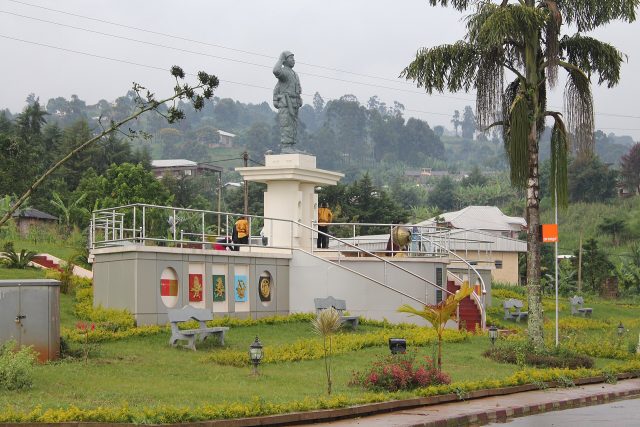
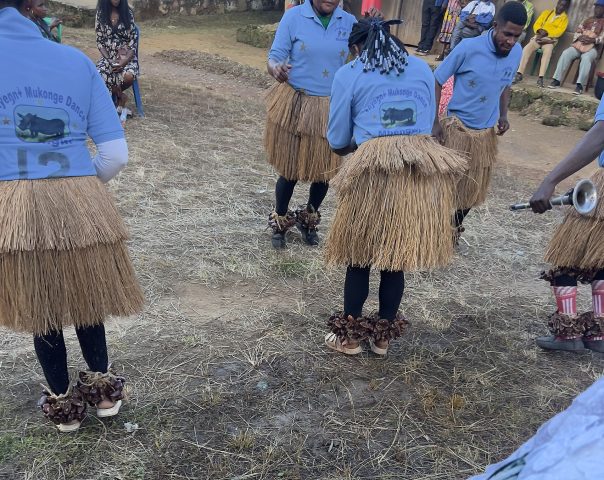
Babungo is a quiet village in northwestern Cameroon, tucked away among rolling hills where the pace of life moves to its own rhythm. It’s not the kind of place you stumble upon by accident—there are no flashy signs, no crowds, and certainly no souvenir stalls. Instead, the village feels like a living archive, where the past lingers in the air, and the most tangible connection to it is the small museum at its heart. This isn’t a grand institution with polished displays; it’s a modest space where every object carries the weight of history, handed down through generations of the Bamun people.
The museum came into being in the mid-20th century, born from a quiet urgency. As modernity crept into the region, elders and anthropologists recognized that the traditions of the Bamun were fading—stories, rituals, and crafts that had defined their identity for centuries risked being lost. What began as a grassroots effort to preserve these fragments of culture grew into a collection of everyday and sacred objects: wooden masks, intricately carved statues, pottery, weapons, and jewelry. Many of these items were once part of daily life or central to ceremonies, and now they offer a glimpse into how the Bamun understood the world around them.
Among the most striking pieces are the masks, which were far more than decorative objects. Each one served a purpose—some represented ancestral spirits, others embodied mythical beings, and a few were symbols of authority worn by village chiefs during important rituals. Carved from wood and painted with natural dyes, the masks vary in style depending on the clan they belonged to, their designs as unique as the stories behind them. Nearby, you’ll find musical instruments that once filled the air during festivals: drums that set the rhythm for dances, small bells that chimed in ceremonies, and flutes whose melodies carried prayers to the spirits. These objects weren’t just tools; they were bridges between the seen and unseen worlds.
The museum building itself is a testament to Bamun architecture. Constructed from clay and topped with a thatched roof of palm leaves, it blends seamlessly into the village landscape. Inside, the space feels intimate, with low ceilings and open rooms where artifacts are displayed without the barrier of glass cases. Some items rest on wooden shelves, others hang from the walls, arranged as they might have been in a family home. There are no rigid labels or formal explanations—just the objects themselves, speaking in their own quiet way. This approach makes the visit feel less like a tour and more like stepping into someone’s memory.
Occasionally, the museum hosts temporary exhibitions that dive deeper into specific aspects of Bamun culture. These might include photographs of long-forgotten rituals, documentary films about traditional crafts still practiced in the village, or even live demonstrations by local artisans. Visitors might watch a weaver at work, shaping baskets from palm fronds, or a potter molding clay into vessels using techniques passed down through generations. These moments of interaction make the culture feel alive, not just preserved behind museum walls.
Babungo itself is a place where time moves slowly. There are no hotels or restaurants, but the villagers often welcome travelers into their homes, offering simple meals and a place to rest. Mornings begin with the crow of roosters and the rustle of the forest, while evenings are marked by the glow of fires and the sound of voices drifting through the air—sometimes singing, sometimes just talking. The surrounding hills are dotted with small farms growing coffee, cocoa, and bananas, their terraced fields a testament to the land’s fertility. Life here revolves around the rhythms of the earth, not the demands of tourism.
A visit to the Babungo Museum is less about checking off a sight and more about experiencing a way of life that has endured despite the pressures of the modern world. There’s no rush, no commercialization—just the quiet presence of history and the people who keep it alive. For those who seek out places like this, it’s a rare opportunity to see Africa beyond the stereotypes, where tradition isn’t just remembered but actively lived. The journey to Babungo isn’t an easy one; it requires traveling to Bamenda first, then navigating the winding roads and hilly terrain that lead to the village. But for those who make the effort, the reward is a sense of authenticity that’s increasingly hard to find.
This isn’t a destination for casual tourists. It’s a place for those who are willing to step off the beaten path, to listen rather than just look, and to accept that some experiences can’t be packaged or sold. In Babungo, the past isn’t something to be observed from a distance—it’s woven into the fabric of everyday life, as real and present as the people who call this village home.