The Fon’s Palace in Bamenda stands as one of the most enduring symbols of the Grassfields kingdoms, a region in Cameroon known for its rich cultural heritage and intricate political systems. Unlike the grand, ostentatious palaces of Europe or Asia, this structure is a testament to a different kind of power—one rooted in tradition, community, and the delicate balance between the visible and invisible worlds. The palace is not just a residence but the heart of the Mankon chiefdom, a place where history is preserved in wood, earth, and ritual.
Built in the early 20th century, the palace reflects the architectural style of the Grassfields, characterized by its use of local materials and symbolic design. The main building is constructed from sun-dried bricks and timber, with a steep, thatched roof that slopes dramatically to shield the interior from the heavy rains of the rainy season. The walls are often adorned with geometric patterns, each carrying meaning—some represent protection, others fertility or ancestral blessings. The layout of the palace follows a traditional pattern, with separate spaces for the fon (chief), his wives, and the council of elders, all arranged around a central courtyard where ceremonies and gatherings take place.
What makes the Fon’s Palace particularly fascinating is its role as a living institution. The fon, who resides here, is not merely a political figure but a spiritual leader, believed to be the intermediary between the people and their ancestors. His authority is both temporal and sacred, and the palace serves as the stage for rituals that have been performed for generations. Visitors might witness—or at least sense—the echoes of these traditions in the daily life of the compound. The air is often thick with the scent of burning herbs, the sound of drums, or the murmur of elders debating matters of the chiefdom.
The palace is also a repository of history, though much of it is oral rather than written. The Mankon people trace their lineage back centuries, and the fon is considered the custodian of this legacy. Inside the palace, one can find artifacts that tell the story of the chiefdom—carved stools, masks used in ceremonies, and relics passed down through generations. These objects are not displayed as museum pieces but are part of an ongoing narrative, used in rituals and storytelling. The palace itself is a kind of archive, where every beam and courtyard corner holds meaning for those who know how to read it.
For outsiders, the Fon’s Palace offers a rare glimpse into a world where modernity and tradition coexist, sometimes uneasily. Bamenda is a city in flux, with its bustling markets, growing population, and the pressures of contemporary life. Yet within the palace walls, time moves differently. The rhythms of the chiefdom—governed by lunar cycles, agricultural seasons, and ancestral decrees—persist, even as the city around it changes. This tension is part of what makes the palace so compelling. It is not a relic of the past but a living entity, adapting while holding fast to its core.
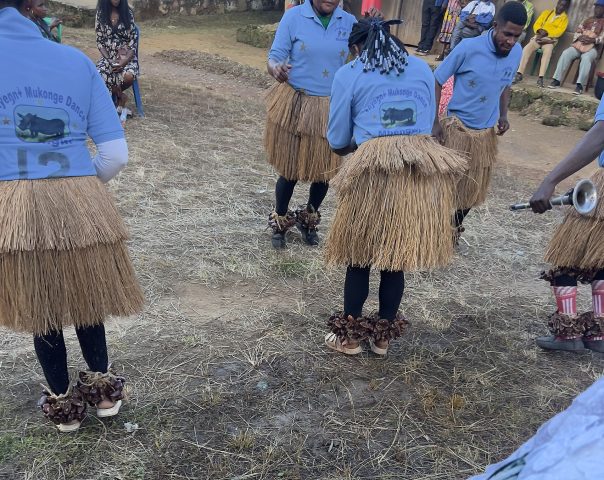
The courtyard is perhaps the most public space within the palace, where the fon receives visitors, settles disputes, and presides over ceremonies. It is here that the community gathers for important events, such as the annual *ngwomo* festival, which celebrates the harvest and honors the ancestors. During such occasions, the palace comes alive with music, dance, and the vibrant colors of traditional attire. The courtyard is also where the fon’s council meets, a body of elders who advise him on matters ranging from land disputes to spiritual concerns. Their discussions are often long and deliberative, reflecting the Grassfields’ emphasis on consensus and collective decision-making.
The palace is not a place of rigid formality, despite its significance. There is a warmth to it, a sense of continuity that comes from generations of families who have served the fon in various capacities. The women of the palace, for instance, play a crucial role in maintaining its daily life. They prepare meals, tend to the gardens, and ensure that rituals are carried out with precision. Their presence softens the austere authority of the fon, reminding visitors that the palace is, at its core, a home.
For those who take the time to visit, the Fon’s Palace is more than just a historical site. It is an invitation to understand a way of life that is deeply rooted in the land and its people. The Grassfields kingdoms, of which Mankon is one, have long been known for their resilience and adaptability. The palace embodies this spirit, standing as a bridge between the past and the present. It is a place where the sacred and the mundane intersect, where every object and gesture carries weight, and where the stories of the people are etched into the very walls. To walk through its gates is to step into a world that is both foreign and familiar, a reminder of the many ways in which human societies have sought to order their lives and honor their heritage.