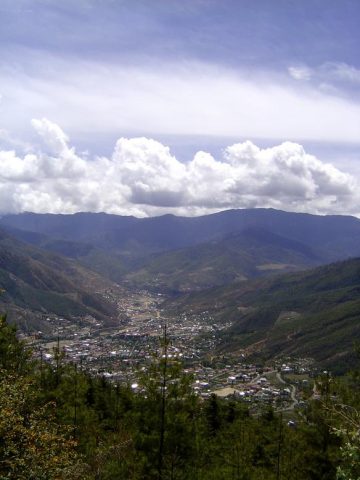
The Royal Botanical Garden in Thimphu is a quiet place where Bhutan’s natural beauty unfolds. Tucked into a valley at around 2,400 meters above sea level, it sits surrounded by forested hills, far from crowds. The air carries the scent of pine and wildflowers, while the only sounds are the rustle of leaves and the occasional call of a bird. Established in the early 21st century, it has become part of Bhutan’s efforts to preserve Himalayan flora.
The garden’s layout is small but carefully designed, with themed sections for different plants. Areas showcase medicinal herbs used in traditional Bhutanese medicine and rare endemic species found only in these mountains. A nursery grows young trees for reforestation, and local rhododendrons bloom here in spring, turning the landscape colorful against the green.
Beyond research, the garden is an educational hub. School groups visit for guided tours, learning about conservation in a changing climate. For locals, it symbolizes Bhutan’s commitment to environmental stewardship, a principle tied to the country’s identity. Bhutan measures progress by Gross National Happiness, and protecting nature is central to that.
Paths are simple. Wooden bridges cross small streams, stone trails lead to viewpoints, and modest signs identify plants. There are no grand greenhouses—just juniper thickets, bamboo groves, and wild grass meadows. The focus is on plants as they grow in the wild.
For travelers, the garden may not rival Bhutan’s famous monasteries, but that’s its charm. It’s a place to wander slowly, watching light shift through trees or sitting on a bench with a valley view. On clear days, peaks sharpen; in winter, snow dusts slopes, and the garden feels meditative.
The road to Punakha runs nearby. Occasionally, a truck or motorbike passes, but inside, the city’s hum fades. Time slows here.
The garden is open year-round. Spring and early summer bring blooming rhododendrons and mountain flowers. Autumn offers golden leaves and crisp air. Winter brings fewer visitors and a rare stillness.
The Royal Botanical Garden is part of Bhutan’s story. The country, once isolated, now faces globalization but protects what makes it unique. Here, you see why Bhutanese people value their land: a natural world that sustains life and offers refuge.