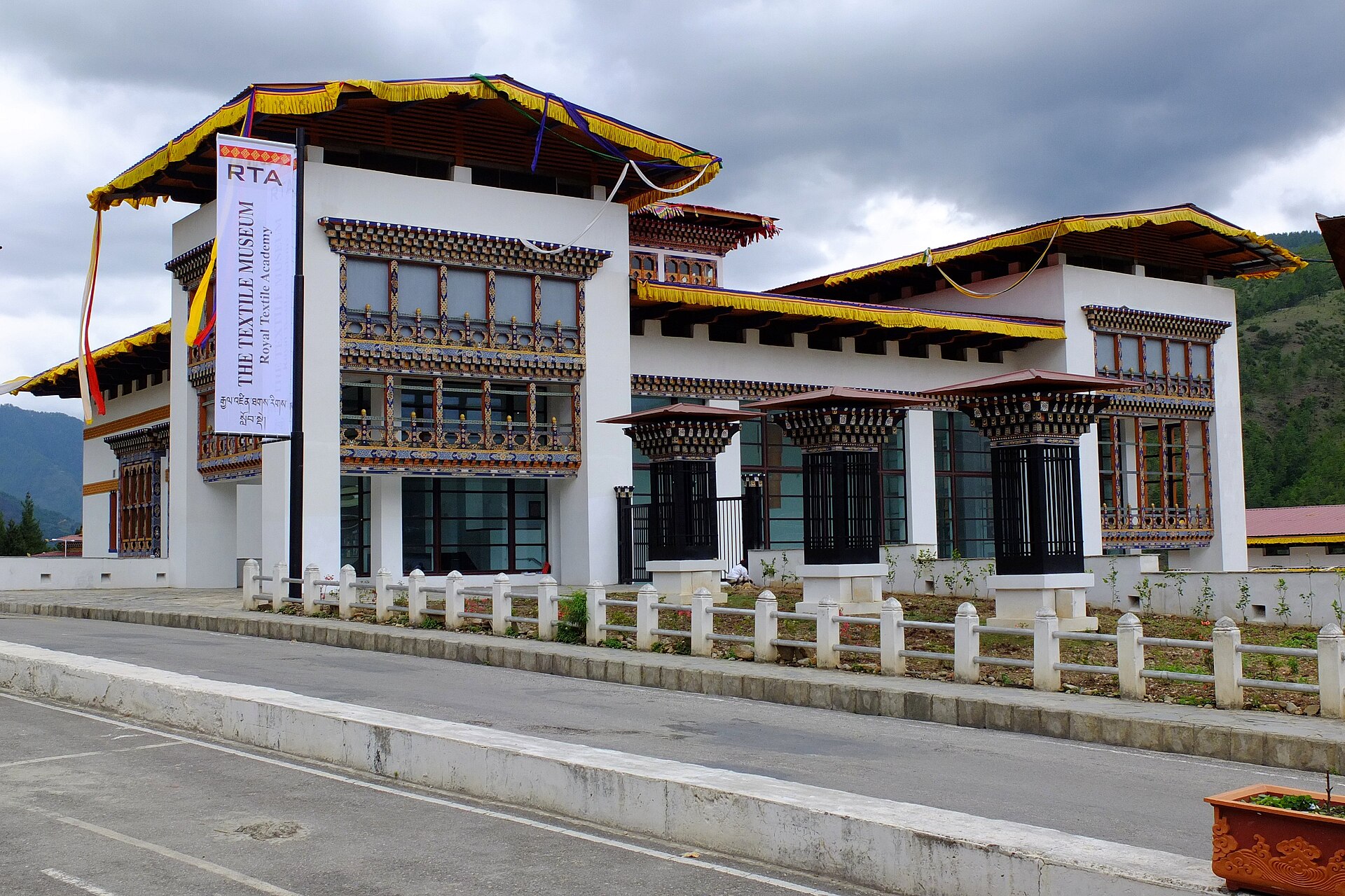
The Bhutan Textile Museum in Thimphu is one of those quiet places that reveal the soul of a country without fanfare. It doesn’t draw crowds with flashy exhibits or grand claims, yet it holds something far more enduring—the living traditions of Bhutanese craftsmanship, woven into every thread on display. The museum occupies a modest building near the city center, its whitewashed walls and sloping roof blending seamlessly with the surrounding architecture. Inside, the air carries the faint scent of wool and dye, a reminder that the textiles here are not just artifacts but the result of generations of skill passed down through families.
Bhutan’s relationship with textiles is deeply intertwined with its culture and identity. For centuries, weaving has been more than a craft; it’s a language, a form of storytelling, and a marker of social status. The patterns, colors, and techniques vary from region to region, each carrying its own meaning. A finely woven *kira* or *gho*—the traditional dress of Bhutanese women and men—can indicate everything from the wearer’s village to their marital status. The museum does an unassuming but thorough job of explaining these nuances, presenting textiles not as mere decorations but as intricate records of Bhutanese life.
The exhibits are arranged thoughtfully, guiding visitors through the evolution of Bhutanese weaving. Early displays focus on the raw materials—sheep’s wool, yak hair, and plant-based dyes—showcasing how natural resources shape the craft. The colors are striking, derived from roots, leaves, and minerals: deep indigos, earthy reds, and vibrant yellows that seem to glow under the museum’s soft lighting. One section highlights the tools of the trade, from simple backstrap looms to more complex setups used for larger pieces. It’s a humbling reminder of how much labor goes into a single textile, how every inch of fabric is the result of patience and precision.
A particularly compelling part of the museum is the collection of royal textiles. These pieces, worn by Bhutan’s kings and queens, are not just beautiful but historically significant. The intricate *rachus* and *kabneys*—scarves and sashes exchanged during official ceremonies—are displayed with care, their gold and silver threads catching the light. The museum doesn’t just show these items; it explains their role in Bhutanese governance and diplomacy. For instance, the color and design of a *kabney* can denote rank, with white reserved for commoners and orange for high-ranking officials. It’s a subtle but powerful illustration of how textiles have been woven into the fabric of Bhutanese society, quite literally.
Beyond the historical and cultural exhibits, the museum offers a glimpse into contemporary weaving. Live demonstrations are sometimes held, where artisans work on looms in real time, their hands moving with practiced ease. Watching them, it’s impossible not to appreciate the skill involved—the way they manipulate threads, adjust tension, and create patterns without a single written instruction. The museum also sells handwoven textiles, though it’s not a commercial space in the usual sense. The items for sale are more like extensions of the exhibits, each with a story attached, whether it’s a scarf made by a weaver from Bumthang or a blanket crafted in Trashigang.
What makes the Bhutan Textile Museum special is its lack of pretension. It doesn’t try to dazzle with technology or over-the-top displays. Instead, it lets the textiles speak for themselves, their beauty and craftsmanship doing the work. The museum is small enough to explore in an hour or two, yet it leaves a lasting impression. It’s a place where visitors can step away from the noise of modern travel and engage with something timeless—the quiet artistry of Bhutanese weavers, who have turned threads into a legacy.
For those who take the time to visit, the museum offers more than just a look at textiles. It’s a window into Bhutan’s values: patience, respect for tradition, and the belief that beauty is found in the details. The weavers’ work is a testament to these ideals, each piece a labor of love that connects the past to the present. In a world where so much is mass-produced and disposable, the museum stands as a gentle reminder of what it means to create something with care, something meant to last.