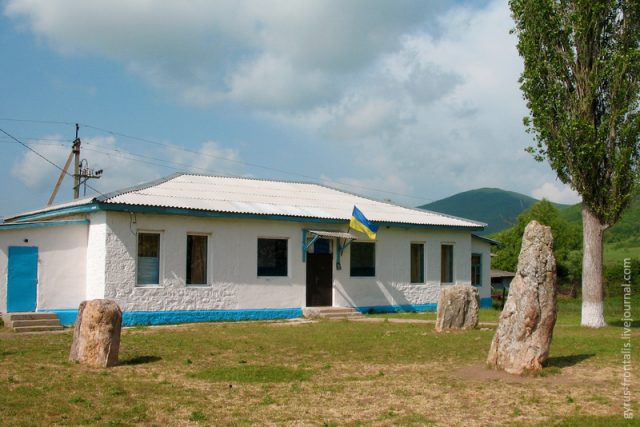
Spring Lake is one of those quiet places where time seems to move at its own pace, untouched by the rush of modern life. Tucked away in the Ural Mountains, this small settlement might not appear on every traveler’s map, but its history runs deep, woven into the land and the people who have called it home. At the heart of this story stands the local history museum, a modest building that holds far more than just artifacts—it preserves the voices of those who shaped the region, their struggles, their crafts, and their everyday lives.
The museum itself is housed in a typical Ural home, the kind you might pass without a second glance if not for the stories it contains. There are no grand columns or polished marble floors here, just the worn wooden beams and creaking floorboards of a structure that has seen generations come and go. It’s easy to imagine this space as it once was—a family’s kitchen, a teacher’s study, or a workshop where tools were mended and plans were made. Now, those same walls hold the memories of the village: faded photographs, handwritten letters, and objects that once belonged to miners, farmers, and factory workers. Stepping inside feels less like entering a museum and more like flipping through someone’s family album, where every item carries a piece of the past.
The exhibits span centuries, but the museum pays special attention to the industrial era, when the Urals became the backbone of Russia’s mining and manufacturing industries. Here, you’ll find the heavy tools of blacksmiths and prospectors, yellowed documents detailing the discovery of local ore deposits, and miniature models of the foundries that once powered the region’s economy. The displays don’t just show machinery—they tell the stories of the people who operated them, the families who depended on them, and the communities that grew around them. One corner is dedicated to the Second World War, where letters from the front, soldiers’ portraits, and simple personal belongings serve as quiet reminders of the lives lost and the resilience of those who remained.
Perhaps the most intimate section of the museum is the recreation of traditional Ural life. Walking through it, you can almost hear the hum of a spinning wheel or the clatter of a loom. The displays include everything from hand-carved wooden spoons to intricately woven textiles, each piece a testament to the skill and patience of generations past. There are toys, too—whittled horses, cloth dolls, and balls made from scraps—reminders that even in hard times, people found ways to bring joy into their lives. These objects aren’t just relics; they’re proof of a way of life that, though faded, still lingers in the memories of those who grew up with them.
But the museum isn’t stuck in the past. It also celebrates the present, showcasing the crafts and traditions that have survived into modern times. One exhibit highlights the minerals still mined in the surrounding hills, their colors and textures a testament to the region’s geological wealth. Another features the work of local artisans, from woodworkers to weavers, keeping old techniques alive. There are even displays on the natural beauty of the Urals, from dense forests to winding rivers, reminding visitors that this land has always been more than just a source of industry—it’s a place of quiet wonder.
What makes the museum truly special, though, is its sense of continuity. Temporary exhibitions rotate regularly, covering everything from family histories to regional folklore, ensuring that each visit offers something new. Sometimes, local residents stop by to share their own stories, whether it’s a retired miner recounting his days underground or an elderly woman demonstrating how to weave birch bark. These moments turn the museum into more than just a collection of objects—it becomes a living conversation between the past and the present.
Visiting the museum isn’t like touring a grand institution with towering halls and priceless treasures. It’s quieter than that, more personal. You might spend an hour poring over old photographs, tracing the lines of a handwritten letter, or simply sitting in the corner of a recreated 19th-century room, trying to imagine the lives that unfolded there. There’s no need for spectacle here; the power lies in the details—the way a child’s toy is worn smooth from use, or how a miner’s pick bears the marks of countless hours of labor. These are the things that make history feel real.
For travelers passing through Spring Lake, the museum offers more than just a glimpse into the past. It’s a way to understand the place itself—why the streets curve the way they do, why the people here speak with a certain cadence, why the land feels both rugged and welcoming. In the end, the museum isn’t just about preserving history; it’s about honoring the people who lived it. And in doing so, it reminds us that every town, no matter how small, has a story worth telling.