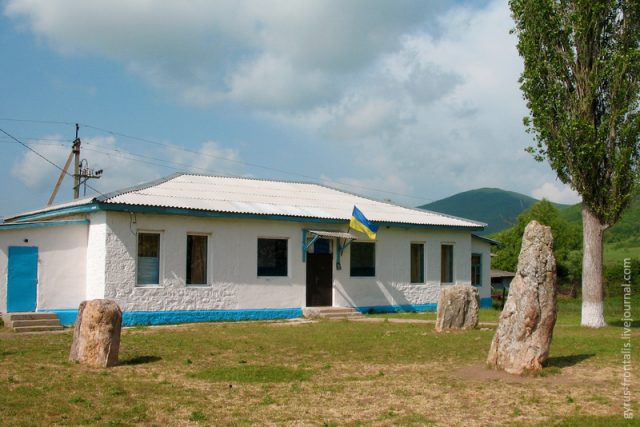
The war memorial in Spring Lake sits in the center of the settlement, where history feels close enough to touch. A small square, lined with houses and trees, holds granite slabs that shift under the summer light. There’s no grandeur—just silence, heavy with meaning. The monument remembers those who left for the front and never returned, their names etched into stone.
The memorial is plain: a tall dark stele with an eternal flame at its base. A soldier in a rain cape, rifle over his shoulder, stands frozen in bas-relief. Nearby, plaques list the fallen. Some surnames appear more than once—brothers, neighbors, families who went to war side by side. The war didn’t spare anyone here.
Spring Lake was small, but hundreds of its men were drafted. They fought everywhere—from Moscow to Berlin. Some died in the first months; others fell near Germany’s borders. The names on the monument aren’t just a list. They’re part of the settlement’s memory, passed down through generations. Many locals still know these surnames—relatives, descendants, people who grew up hearing stories of the lost.
The memorial went up in the postwar years, when the country was only beginning to grasp its losses. Back then, the war wasn’t talked about openly. But monuments like this one became early attempts to honor the dead. Traditions grew around it. Schoolchildren gather here on May 9th. Veterans lay flowers, if any are left. Former residents sometimes return to pay respects.
The design is simple, like most Soviet memorials from that time. No pomp—just quiet dignity. The eternal flame, lit at the unveiling, still burns. In winter, snow covers the stones, but the flame stands out. In summer, it flickers as a reminder that memory doesn’t fade.
For Spring Lake, this isn’t just a monument. It’s part of life. Ceremonies, wreath-layings, and small concerts happen here. Schoolchildren recite poems at the stele’s base. Adults bring their children and grandchildren, explaining why this place matters. In those moments, the monument isn’t just stone—it’s a bridge between past and present.
There’s no tourist infrastructure here. No stalls, no tours, no foreign-language signs. This place isn’t for visitors. It’s for those who remember or want to understand. Outsiders rarely come on purpose. If they do, it’s usually by accident. But those who stop often linger, reading the names and thinking about the lives cut short.
In recent years, the memorial has changed. New plaques have been added with names that were missed or only recently confirmed. Local historians and volunteers have spent years piecing together records, tracking down relatives, and uncovering forgotten stories. The monument isn’t static anymore—it’s part of an ongoing effort to get history right, one name at a time.
Spring Lake doesn’t draw crowds. There are no fortresses, no famous museums, no resorts. But that’s why this memorial matters. The war reached even the smallest places. And remembering isn’t just about parades—it’s about standing by the flame, realizing that behind each name is a life that ended too soon.