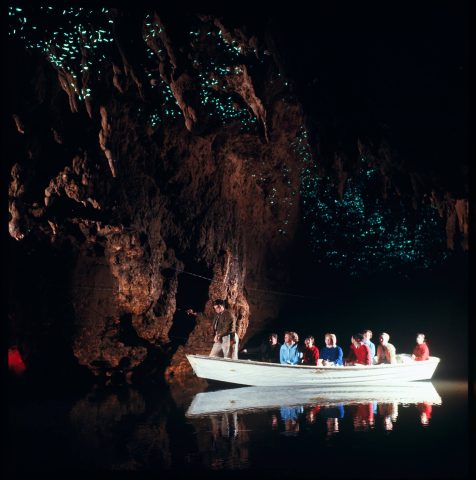
Beneath the rolling green hills of New Zealand’s North Island, a hidden world moves silently through the dark. The Waitomo River doesn’t flow where most rivers do—it carves its path underground, weaving through a labyrinth of limestone caves that have been shaped by water over millions of years. This is a place where time feels different, where the rules of the surface world don’t quite apply. The caves here aren’t just hollow spaces; they’re living systems, ancient and ever-changing, with their own rhythms and secrets.
Long before European explorers set foot in these parts, the Māori people knew of Waitomo’s underground wonders. To them, the caves were a sacred realm, a place where the earth held stories and spirits. The name itself—Waitomo—comes from the Māori words *wai* (water) and *tomo* (hole or shaft), a quiet acknowledgment of the river’s hidden journey. For generations, the caves were part of oral traditions, their entrances approached with reverence. It wasn’t until the late 1800s that the outside world learned of them, when a local Māori chief, Tane Tinorau, and an English surveyor, Fred Mace, ventured deep into the darkness and emerged with tales of something extraordinary.
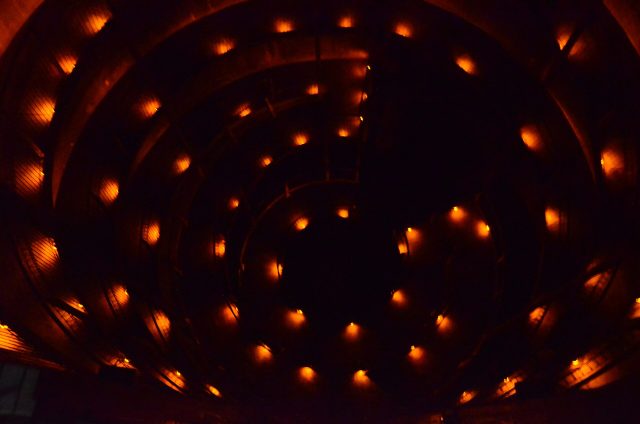
What they found was a natural phenomenon that still draws visitors today: the glowworms. Thousands of tiny larvae, clinging to the cave ceilings, emit a soft blue-green light, turning the cavern into a mirror of the night sky. These aren’t fireflies but the larvae of *Arachnocampa luminosa*, a species found only in New Zealand and parts of Australia. They spin sticky threads to trap prey, and their bioluminescence lures insects into these silken snares. The effect is mesmerizing—a quiet, shimmering glow that seems to float in the air, reflected in the still black water below. It’s easy to see why the Māori saw magic here, why they believed the caves were a threshold to another world.
Today, the most popular way to experience Waitomo is by boat, gliding through the dark on a flat-bottomed vessel. The water is so still it feels like glass, and the only sounds are the occasional drip of water from the ceiling and the quiet murmur of awe from those seeing the glow for the first time. The boatmen often turn off the lights for a moment, plunging the cave into complete darkness before the glowworms reappear like stars blinking into existence. It’s a simple experience, but one that lingers in the memory long after you’ve resurfaced.
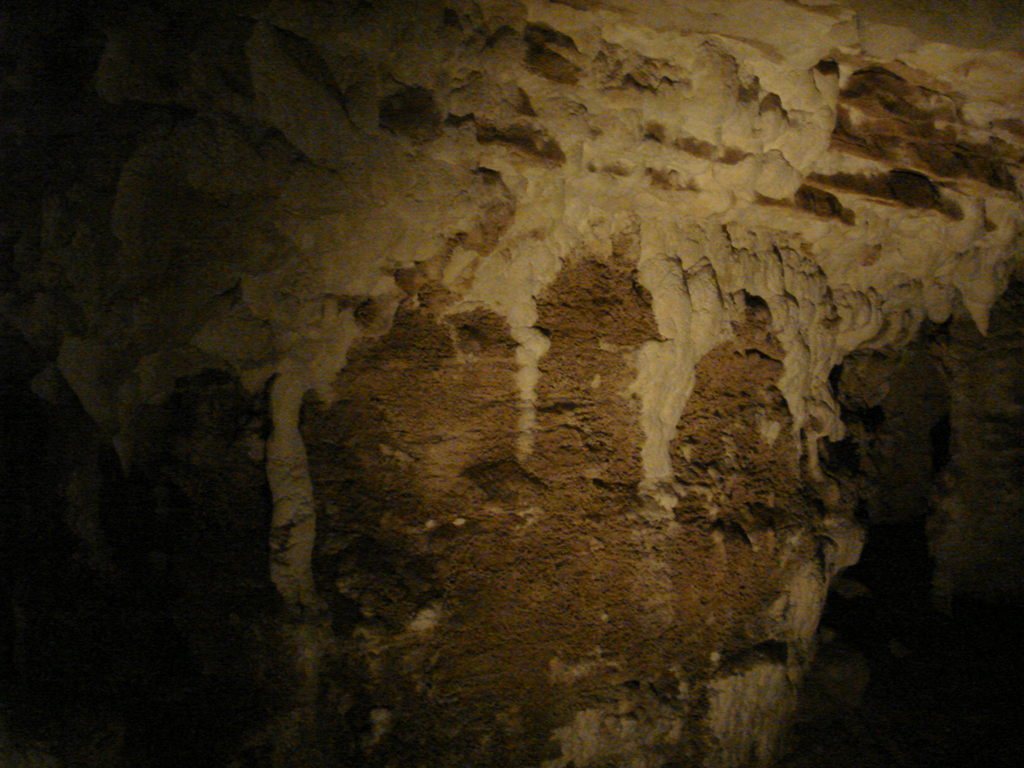
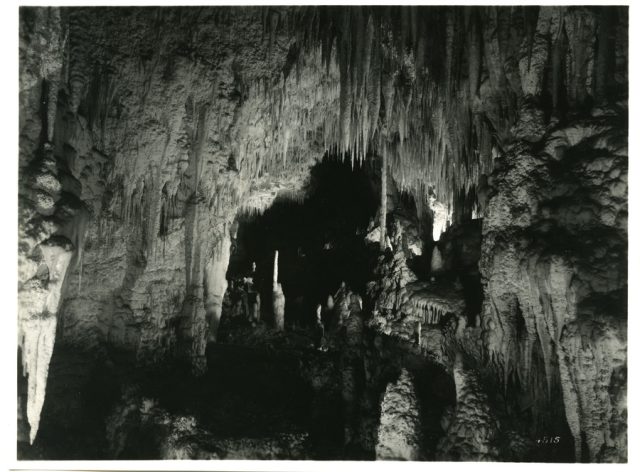
For those who prefer to explore on foot, there are other ways to see the caves. Some tours take you through chambers filled with towering stalactites and stalagmites, their shapes sculpted by centuries of dripping water. Others involve crawling through narrow passages or rappelling down vertical shafts, where the thrill of adventure mixes with the eerie beauty of the underground. Each route offers a different perspective, whether it’s the vastness of the Cathedral Cave, with its near-perfect acoustics, or the intimacy of smaller grottos where the glowworms feel almost close enough to touch.
Above ground, the Waitomo region is classic New Zealand countryside—gentle hills dotted with sheep, patches of native bush, and the occasional farmhouse. The landscape here is quiet, unassuming, the kind of place where you might not expect to find one of the country’s most famous natural wonders. Yet the caves are never far from the surface, their presence a reminder of how much lies hidden beneath even the most ordinary-seeming places. Nearby, you can visit Māori villages where traditions are still alive, where carvers and weavers practice crafts passed down through generations. Some tours include stops at these communities, offering a chance to hear the stories of Waitomo from those who have known it longest.
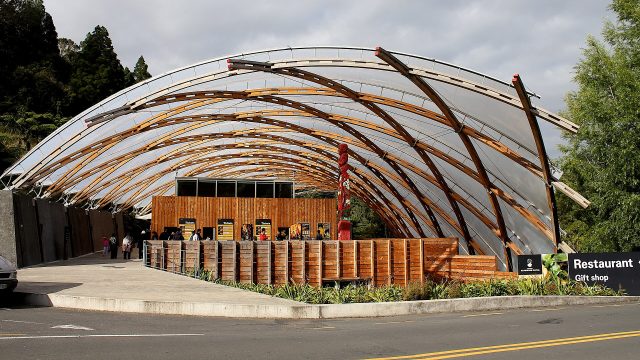
The caves have been a tourist attraction for over a century, and in that time, they’ve seen their share of changes. Early visitors arrived by horse-drawn carriage, and the first boats were little more than wooden punts. Today, there’s a small but well-developed infrastructure—cafés, gift shops, and a museum tracing the history of exploration in the caves. Yet despite the modern touches, the heart of Waitomo remains untouched. The glowworms still light the way, the water still flows through the limestone, and the sense of wonder is as strong as it was for those first explorers.
What makes Waitomo special isn’t just the glowworms or the caves themselves, but the way the place makes you feel. There’s a stillness here, a sense of being in a world that operates on a different timescale. The caves are ancient, their formations growing at a pace almost impossible to comprehend—some stalactites take thousands of years to lengthen by just a few centimeters. The water that carved these spaces is still at work, still shaping the rock, still moving in ways we can’t always see. It’s humbling to stand in a place like this, to realize how little we know about the world beneath our feet.
There’s also something undeniably mysterious about Waitomo. Scientists continue to study the caves, discovering new species of insects and microorganisms adapted to life in the dark. Meanwhile, the Māori view of the caves as a spiritual place persists, a belief that the land holds memories and energies beyond our understanding. Some visitors speak of an odd sensation while underground, a feeling of being watched or of time slowing down. It’s easy to dismiss as imagination, but in a place like this, it’s just as easy to believe that the world is far stranger and more wonderful than it seems.
If you find yourself in New Zealand, Waitomo is worth the trip. It’s an easy drive from Auckland, just a couple of hours south, and the journey itself is part of the experience—rolling hills, small towns, and the kind of scenery that makes you want to pull over and take a photo. Once you arrive, the caves are accessible year-round, though the glowworms are at their brightest in the cooler months. A word of advice: bring a jacket. Even in summer, the caves stay cool, and the still air can feel chilly after the warmth of the sun. And remember, this is a place that demands respect. The caves are fragile, their ecosystems delicate. Leave no trace, follow the rules, and let the glowworms keep their secrets a little while longer.
Waitomo is a reminder that the most extraordinary places aren’t always the ones we can see from afar. Sometimes, they’re the ones we have to step into the dark to find. Whether you come for the glowworms, the adventure, or just the chance to stand in a world that feels like another planet, the caves leave an impression that stays with you. It’s a place where science and myth intertwine, where the past and present exist side by side, and where the quiet beauty of the underground makes you pause and wonder what else is out there, waiting to be discovered.