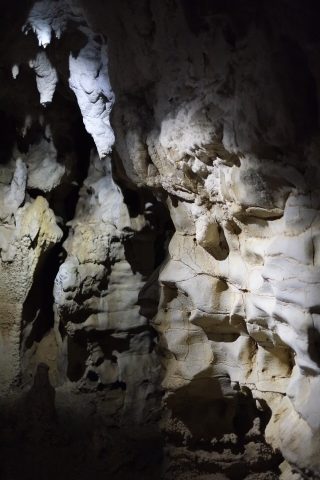
Ruakuri Cave is one of those rare places where nature reveals its patient, untamed artistry. Carved over millions of years beneath the rolling hills of New Zealand’s North Island, this underground labyrinth near Waitomo is more than just a geological wonder—it’s a place where human history and natural forces intertwine. Long before European explorers set foot here, the Māori people knew of its existence, revering it as a sacred site steeped in legend. The name Ruakuri, often translated as "den of dogs," hints at something far older than domesticated animals; it speaks of mythical guardians, spirits that once roamed these shadowy depths.
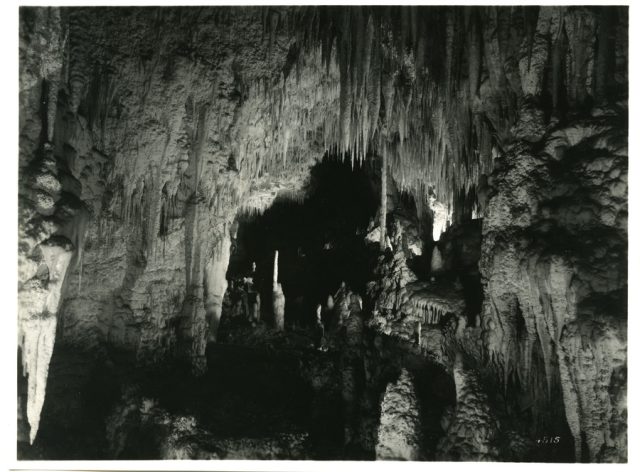
The story of Ruakuri began around 30 million years ago, when layers of limestone, formed from ancient seabeds, were thrust upward by tectonic shifts. Over millennia, rainwater seeped through cracks, dissolving the rock and sculpting a vast network of tunnels, chambers, and underground rivers. Today, the cave system stretches over two kilometers, its passages adorned with stalactites and stalagmites, some defying gravity in twisted, needle-like formations known as helictites. Unlike many caves, Ruakuri feels alive—its walls glisten with moisture, and the air carries the faint scent of damp earth, as if the land itself is still breathing.
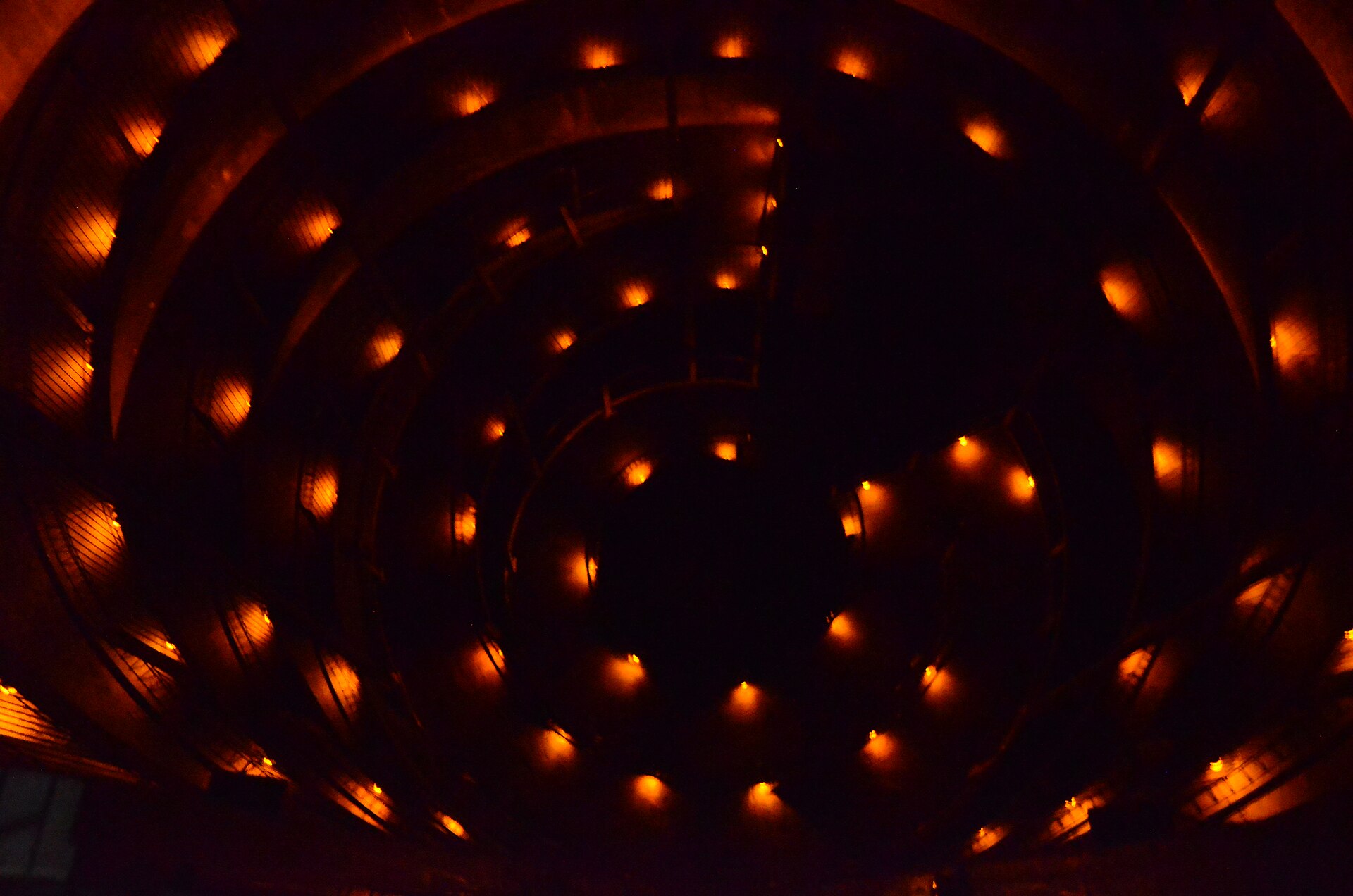
Entering Ruakuri is unlike stepping into most tourist caves. Instead of a straightforward descent, visitors spiral downward through a man-made tunnel, its smooth curves designed to blend seamlessly with the natural surroundings. This entrance, carved in 2005, replaced the original narrow passage once used by Māori and early explorers, making the caves more accessible without disturbing their fragile beauty. The path inside is carefully marked, guiding visitors through the most striking sections while protecting the delicate formations from accidental damage. Every turn reveals something new—a towering cavern, a hidden pool, or a cluster of stalactites that seem to drip like molten wax.
One of the most breathtaking spaces within Ruakuri is the Cathedral Chamber, where the ceiling soars over 30 meters above the floor. The acoustics here are extraordinary; a single sound can linger, bouncing between the walls in a slow, resonant echo. It’s easy to imagine why this place held spiritual significance for the Māori, who once gathered here for rituals. The chamber still carries a sense of quiet reverence, as if the weight of centuries presses gently against your skin. Nearby, the underground river flows silently through the caves, its waters so clear in places that the rocky bottom appears suspended in midair. The depth is deceptive—what looks like an abyss is often just a few meters deep—but the illusion adds to the sense of otherworldliness.
Light plays a crucial role in shaping the experience of Ruakuri. Unlike many caves, which rely on harsh artificial lighting, Ruakuri uses carefully positioned lamps to highlight the natural contours of the rock. Shadows stretch and shift as you move, making the walls seem almost fluid. In some chambers, faint beams of daylight filter through narrow crevices above, casting fleeting patterns on the stone like distant constellations. The effect is mesmerizing, turning the cave into a living canvas where every visit feels unique. The absence of bright lights also preserves the cave’s atmosphere—dim, intimate, and slightly mysterious, as if you’ve stumbled into a secret world.
For the Māori, Ruakuri was never just a cave. It was a threshold between the physical and spiritual realms, a place where the sacred and the everyday intersected. Legends speak of *tapu*—entities that dwelled here, their presence demanding respect. Even today, the caves retain an air of solemnity, and visitors are encouraged to tread lightly, avoiding litter or touching the fragile formations. This isn’t about restrictions; it’s about recognizing that you’re walking through a place far older than human civilization, where every stalactite and pool has its own story. The Māori used these caves for shelter during tribal conflicts and as a site for initiation ceremonies, their history etched into the stone in faint petroglyphs, though time and moisture have worn many of them away.
Modern tours of Ruakuri go beyond simple sightseeing. Guides weave together geology, history, and Māori tradition, explaining how the caves formed and why they mattered to the people who once called this land home. You might learn how the underground river was both a lifeline and a hiding place, or how the acoustics of the Cathedral Chamber made it ideal for ceremonial chants. The caves also offer a glimpse into the challenges of preservation—balancing accessibility with the need to protect a fragile ecosystem. Some areas are off-limits, not because they’re dangerous, but because they’re too delicate to withstand constant human presence.
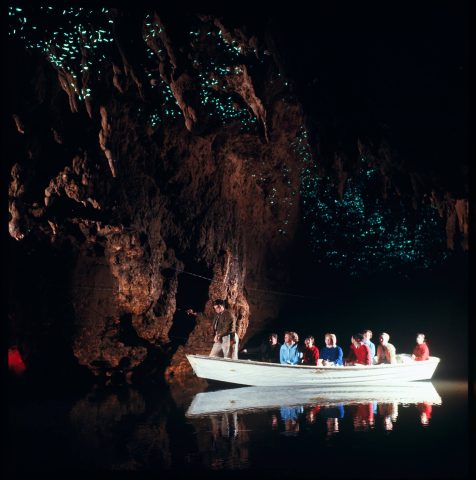
For those seeking adventure, Ruakuri delivers without the need for extreme sports. The highlight for many is the boat ride along the underground river, a journey into near-total darkness where the only light comes from the headlamp on your helmet. The water is cool but not cold, and the silence is broken only by the occasional drip of water from the ceiling. It’s not a thrilling white-water ride, but something quieter and more introspective—a chance to float through the heart of the earth, surrounded by formations that have stood for millennia. The experience is meditative, each bend in the river revealing another hidden wonder.
What makes Ruakuri truly special is its ability to make you feel small in the best possible way. There are no crowds here, no souvenir stands or loud announcements—just the quiet hum of the cave and the occasional murmur of awe from fellow visitors. The air is cool and still, the darkness enveloping but not oppressive. It’s a place that invites reflection, where the weight of time feels tangible. Perhaps that’s why people return again and again—not for the thrill of exploration, but for the chance to step outside of time, if only for a little while. In a world that moves too fast, Ruakuri reminds you that some things are worth waiting for. Nature didn’t rush when it carved these caves, and neither should you.