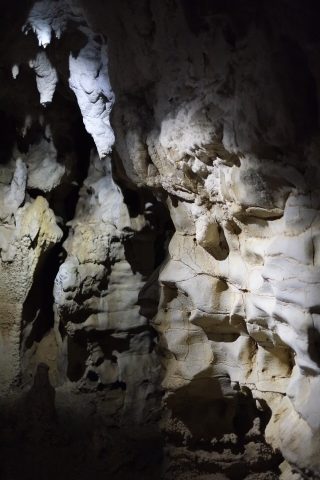
Waitomo Caves feel like a place where nature decided to show off. Tucked away in New Zealand’s North Island, these underground passages are best known for their glowworms, tiny creatures that turn cave ceilings into a starry night sky. But there’s more to Waitomo than just bioluminescence. Every chamber, every stalactite, and every underground river here carries a story that stretches back through centuries.
The caves were first discovered by the Māori, who considered them sacred. According to legend, tribal chiefs once used them as hideouts during conflicts, and the underground rivers were seen as pathways to the spirit world. Europeans only learned of Waitomo in the late 1800s, when a local Māori man, Tāne Tinorau, and an English surveyor, Fred Mace, ventured inside for the first time. Since then, the caves have drawn visitors from around the world, though they’ve never lost their sense of mystery.
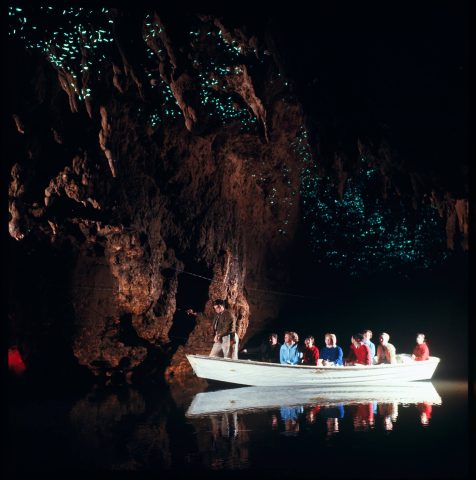
The most famous part of the caves is Glowworm Grotto, where millions of tiny *Arachnocampa luminosa* larvae create the illusion of a night sky. These glowworms, found only in New Zealand and Australia, dangle sticky threads from the cave ceilings to trap insects drawn to their light. A boat ride along the underground river in complete darkness, with thousands of tiny lights flickering above, feels like drifting through space.
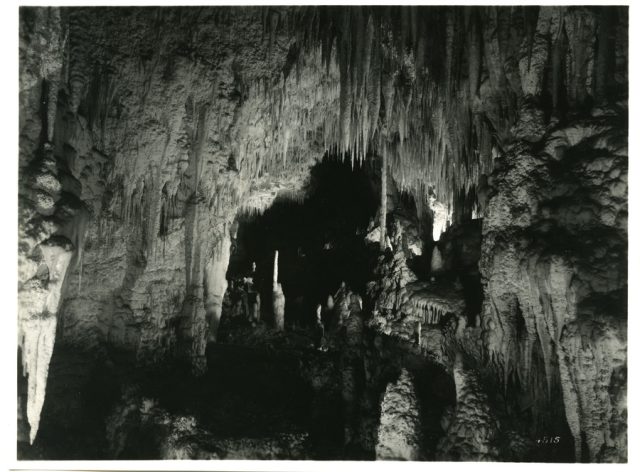
But Waitomo isn’t just about Glowworm Grotto. The cave system has other chambers, each with its own character. Ruakuri Cave, for example, holds ancient marine fossils, a reminder that this land was once beneath the ocean. Aranui Cave is known for its bizarre stalagmites and stalactites, some shaped like people or animals. Time moves differently here—water seeps through limestone so slowly that new formations take lifetimes to develop.
The architecture of the caves is as impressive as their inhabitants. Some chambers rise as high as a ten-story building, while narrow passages open into vast caverns where every sound echoes. The limestone walls are soft yet durable, preserving the caves for generations. In places, you can see traces of ancient earthquakes—cracks in the rock, shifted layers—a reminder that New Zealand sits in a seismically active zone, even underground.
Visiting Waitomo isn’t just a tour; it’s an immersion into another world. There’s no hustle, no bright lights, no city noise. Instead, there’s silence, broken only by the drip of water and the occasional ripple of the underground river. The darkness doesn’t feel threatening—it’s more like being inside a living organism. Many visitors say the experience changes how they see space and time, making them notice details they’d usually overlook.
For the Māori, Waitomo remains a place of power. Some still perform traditional rituals here, believing the caves hold special energy. Even those who don’t subscribe to mysticism can’t help but feel something unusual. Maybe it’s the age of the place, or the way being underground strips everything back to stone, water, and the light of living creatures.
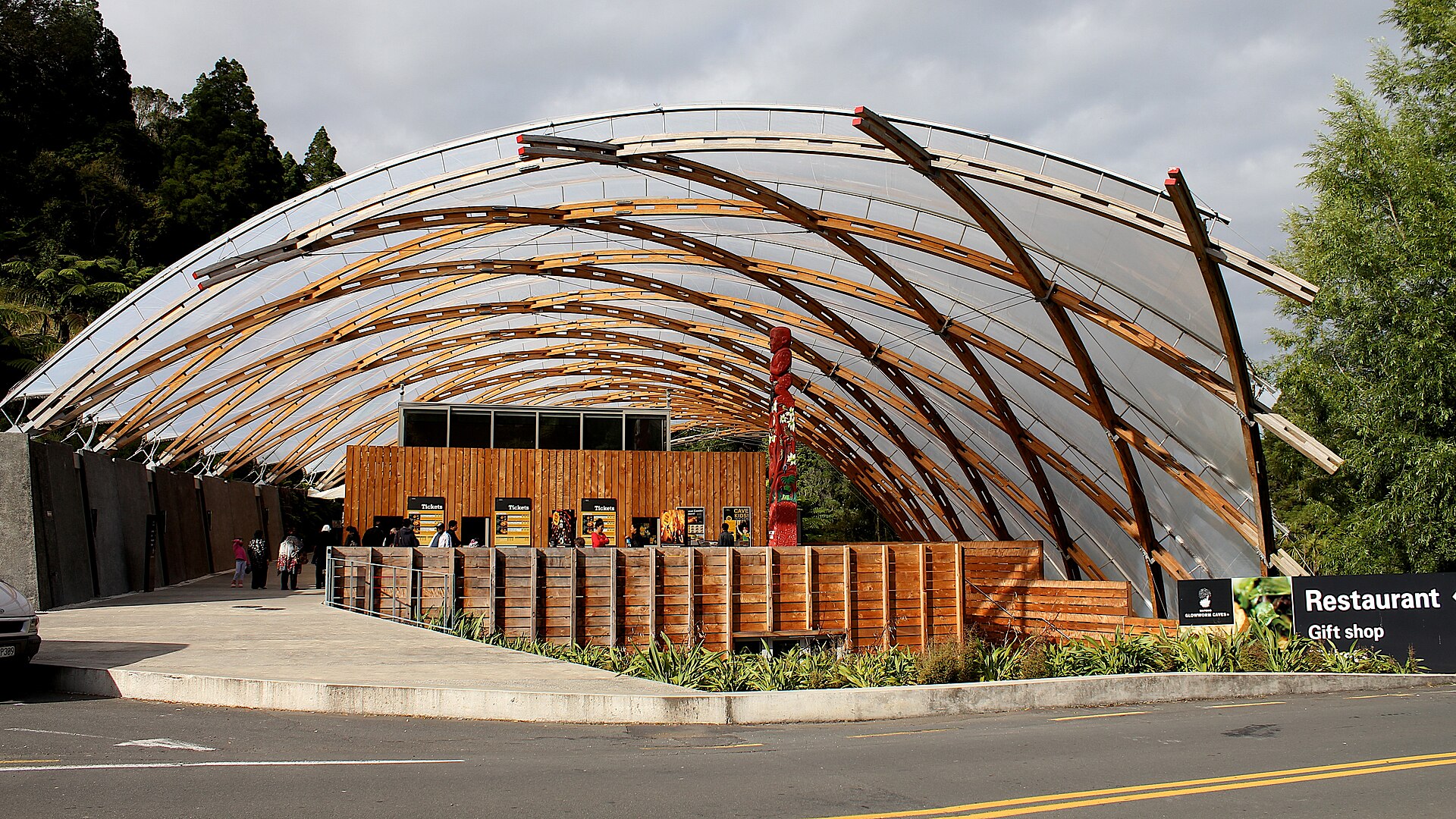
Today, Waitomo Caves are one of New Zealand’s top attractions, but they haven’t become a typical tourist trap. There are no flashy signs or souvenir stalls at the entrance, no crowds with cameras. Tours are kept small, guides share both geological facts and Māori stories, and visitors are briefed on how to behave to protect the caves’ delicate ecosystem.
Waitomo makes you think about how fragile and powerful the world really is. Here, you encounter things usually hidden from view—the slow processes shaping the land, life adapted to total darkness, a history older than humanity. That’s probably why the caves stay with people long after they leave. They invite you back, to see the stars underground again and feel part of something much bigger.