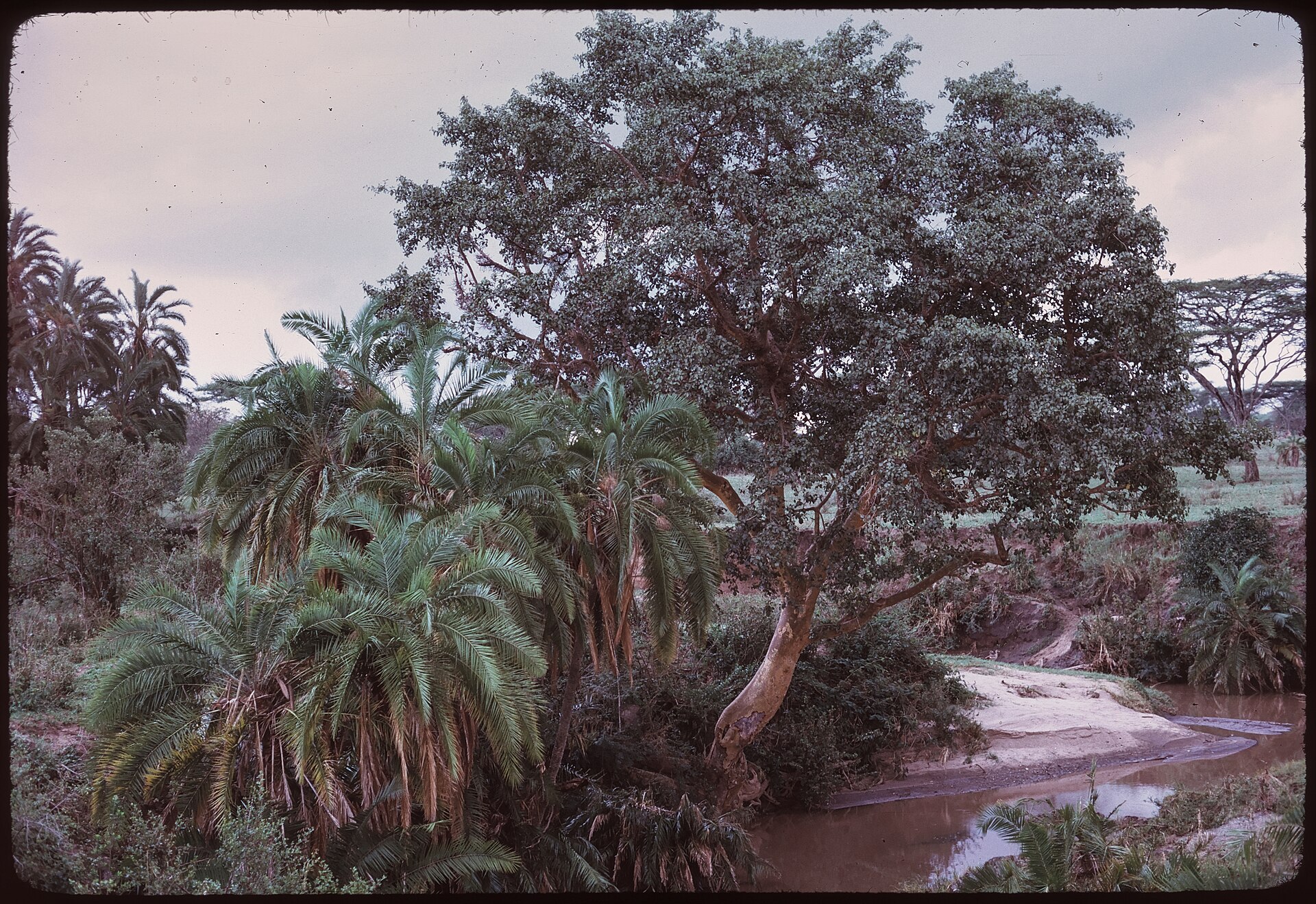
The Seronera River is one of those quiet, unassuming waterways that quietly shape the heart of Serengeti National Park. It isn’t wide or powerful like other African rivers, but its modest banks stage some of the most dramatic scenes in the natural world. Here, in the vast savannas of East Africa, water dictates survival, especially during the dry months when the Seronera becomes the only lifeline in a parched landscape.
The river begins in the northern hills of the park, where small streams merge into a slow, winding flow that cuts through acacia groves and termite mounds. During the rainy season, it swells, flooding lowlands and turning the savanna into a patchwork of green and water. But its true character emerges in the dry season, when the water level drops, exposing clay banks and tangled roots. That’s when the Seronera becomes a magnet for life—antelope, zebras, and buffalo gather to drink, while lions lurk in the tall grass, waiting for an opportunity. Below the surface, crocodiles and hippos drift lazily, biding their time.
For many travelers, the Seronera is best known as a stage for the Great Migration. Every year, over a million wildebeest and hundreds of thousands of zebras cross the river in search of fresh grazing lands, and the Seronera is one of the key crossing points. Watching thousands of animals plunge into the water, battling currents and evading predators, is unforgettable. But even when the migration passes elsewhere, the river never loses its allure. There’s always movement here—birds perched in the branches, elephants lumbering toward the water, and predators hidden in the grass, waiting for their moment.
The history of the Seronera is woven into the story of the Serengeti itself. Long before European explorers arrived, the Maasai herded their cattle here, living in harmony with the land. In the early 20th century, when Tanzania was still a colony, the British declared the Serengeti a protected area, and the river became a natural boundary for the reserve. Today, its banks are part of one of the most famous national parks in the world, where nature operates on its own terms, and humans are merely observers.
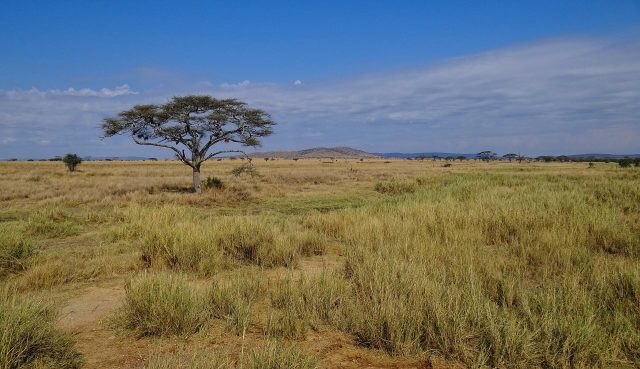
There are no grand monuments or man-made structures along the Seronera—its beauty lies in what nature has created. The river shapes the landscape, carving winding banks lined with golden grass, solitary baobabs standing tall against the horizon, and endless plains stretching into the distance. At dusk, the water takes on a golden hue as the sun sinks behind the hills, and the shadows of animals stretch long across the land. Time seems to slow here, each moment filled with the promise of something extraordinary.
Local guides see the Seronera not just as a river, but as a living force that sets the rhythm of the savanna. They know its habits, where the best wildlife sightings are, and when the migrating herds will cross. Safari drivers often pull over, turn off their engines, and wait. Sometimes nothing happens for hours, but then, in just a few minutes, you might witness a scene that makes the entire journey worthwhile.
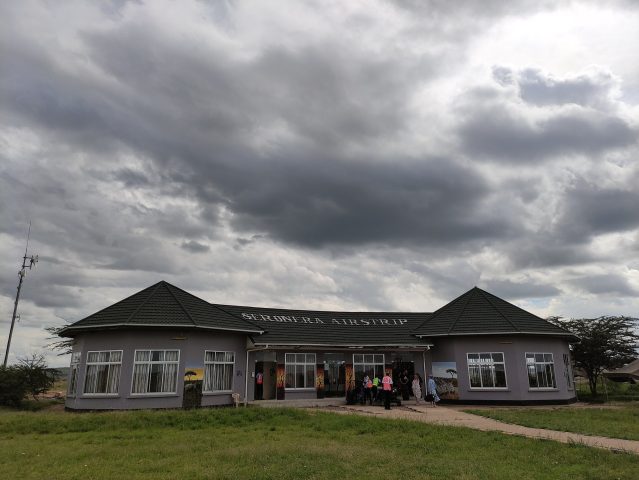
The Seronera isn’t for those seeking comfort or predictability. There are no luxury lodges on its banks, no restaurants with river views, no scheduled tours. It’s a place for those who embrace nature in its raw, unpredictable form—wild, untamed, and breathtaking in its simplicity. At night, when the camps fall silent and the savanna comes alive with the sounds of nocturnal creatures, the river keeps flowing, a reminder that humans are only visitors here.
In recent years, the Seronera has become a symbol of the delicate balance between conservation and tourism. The Serengeti draws hundreds of thousands of visitors annually, and the river is often at the center of it all. Ecologists monitor the impact of tourism to ensure it doesn’t disrupt the natural order, while park authorities limit the number of vehicles near the river during migration season. These efforts are meant to preserve the Seronera so that future generations can still witness wildebeest plunging into the water and lions stalking their prey in the tall grass.
The Seronera isn’t just a river. It’s a lifeline that sustains one of the most extraordinary places on Earth. It doesn’t demand attention or impress with its size, but its quiet presence is what makes the Serengeti what it is—a kingdom of wild nature, where the drama of survival unfolds every day, and humans can only watch in awe.