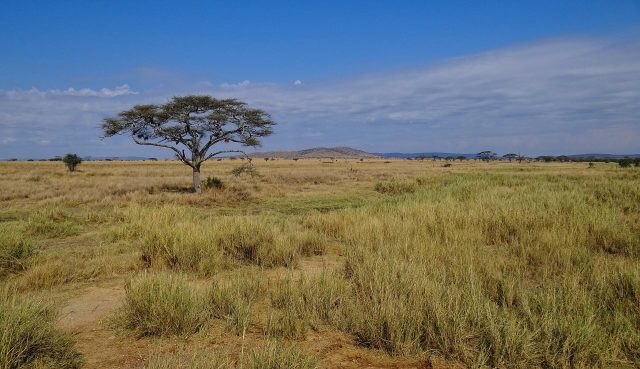
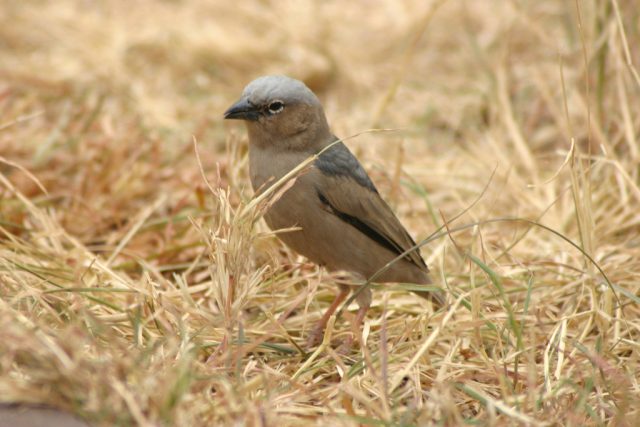
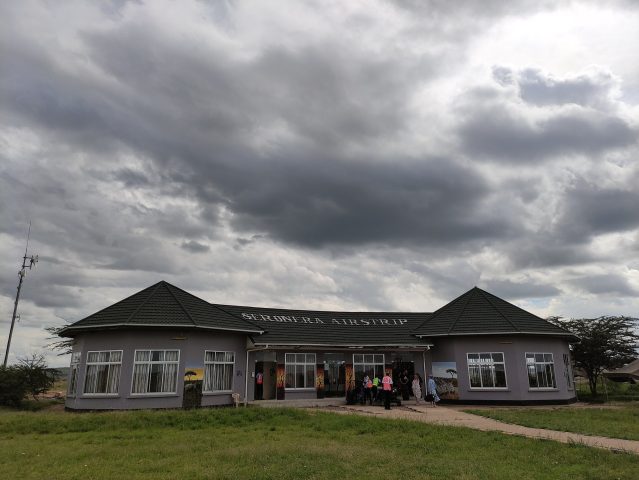
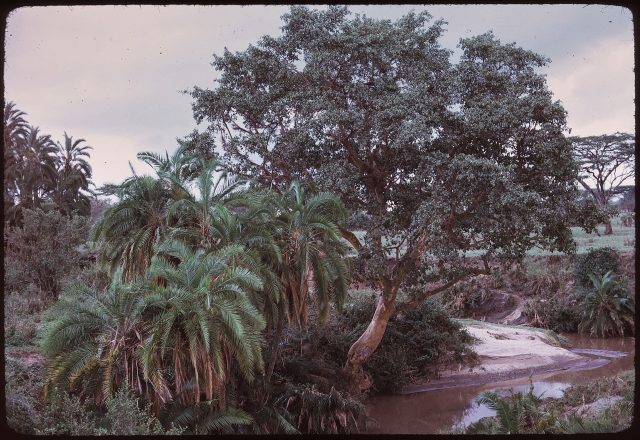
Seronera sits in the heart of Serengeti National Park. The savanna stretches endlessly under an open sky, and wildlife moves to rhythms older than human memory. No crowded streets or neon signs exist here—just vast grasslands, scattered acacia trees, and silence broken only by bird calls or the distant roar of a lion. Seronera Lodge stands at this meeting point of wilderness and human presence. It offers a place to sleep, but also a chance to step into a world where time slows.
Every sunset promises something new.
The lodge isn’t a typical hotel. It’s an outpost of civilization in the middle of a protected landscape. Low bungalows with thatched roofs, terraces overlooking the savanna, and winding paths lead to a pool or the restaurant. The architecture is simple, designed not to disrupt the natural harmony. Even room lighting is dimmed to avoid startling animals that sometimes wander close to the lodge’s boundaries.
Seronera’s story connects to the Serengeti’s history. When the park was established in 1951, this spot became one of the first to welcome researchers and early visitors. Back then, there were only tents and basic shelters. People still came for the same reasons: to witness the great migration and feel the pulse of wild Africa. Over time, the infrastructure improved, yet the spirit of the place remained. Modernity has only brushed lightly against these lands.
Staying in Seronera means immersing yourself in a different pace of life. Mornings begin with coffee on the terrace as the sun rises, the air cool. Days are spent on safari, watching elephants, giraffes, or cheetahs that often appear near the lodge. Evenings bring guests together by the fireplace, sharing stories of the day’s sightings. The night fills with the sounds of the savanna—the distant whoop of hyenas, the rustle of grass under unseen paws. There are no televisions in the rooms. Instead, you hear Africa sing.
For travelers, Seronera offers something rare. You don’t just observe wildlife; you feel like part of their world. The lodge sits in the heart of migration routes. During certain seasons, you can watch thousands of wildebeest and zebras moving across the plains in search of fresh grass. Endless herds stretch for kilometers, dust rises over the savanna, and you step into the heart of nature’s cycle.
But Seronera isn’t just about safaris. The people who work here shape its culture. Many are locals for whom the Serengeti is a way of life. They know the park’s every corner, share insights about animal behavior, and point out hidden trails. The restaurant serves simple, flavorful dishes made from fresh ingredients. Some evenings feature traditional dances and songs, reminding guests that Africa is about people as much as nature.
The climate here shifts with the seasons. From June to October, the dry season turns the savanna golden. Animals gather around water sources, making them easier to spot. Skies stay clear, rain is rare, and nights are cool. From November to May, the rainy season arrives—first with short showers, then heavier downpours. The landscape transforms: grass grows lush, flowers bloom on the trees. Roads become harder to navigate, and wildlife disperses across the terrain.
Seronera isn’t a typical resort. No fences separate you from the wild. Safety depends on awareness and respect for the environment. Don’t wander beyond the lodge’s boundaries without a guide. Avoid dark paths at night. These rules don’t detract from the experience—they make it more memorable. You’re reminded that you’re in a real, living world where humans are just visitors.
Seronera leaves a lasting impression. No luxury of big cities or noise of crowded resorts exists here. Instead, you get the chance to see the world as it was thousands of years ago. Visitors often leave feeling they’ve touched something timeless. That’s why people return—to feel the breath of wild, untamed Africa once more.