The Great Migration defines this place. Over a million wildebeest, zebras, and gazelles move across northern Tanzania’s plains each year, driven by rain and fresh grass. They cross rivers where crocodiles wait, and predators follow. But the Serengeti doesn’t quiet when the herds leave. Lions, cheetahs, elephants, and hippos stay, turning the park into one of Africa’s last wild strongholds.
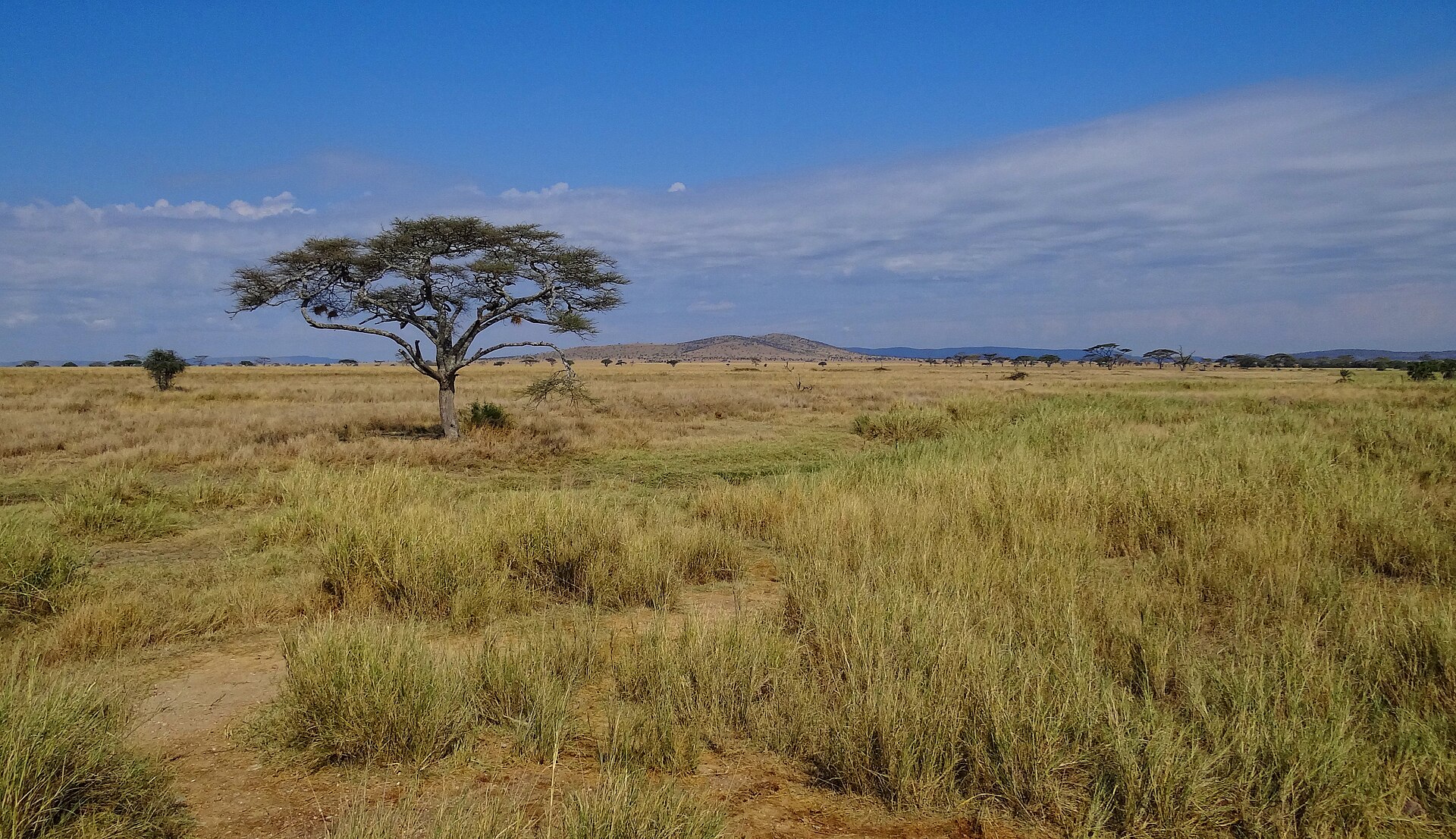
The land stretches over 14,000 square kilometers, shifting from open savanna to woodlands and valleys. The name comes from the Maasai word for "endless plains," and the horizon delivers—flat, vast, and unbroken. No mountains block the view. The wind moves the grass, and the seasons change the color: green after rains, golden and cracked in drought. Animals cluster around the last waterholes when the dry season comes.
The Serengeti holds traces of the earliest humans. Olduvai Gorge, a deep ravine in the park, has yielded fossils of hominids like Lucy. These bones rewrite human history. The Maasai still live nearby, herding cattle in the same way their ancestors did. Their red robes stand out against the grass, a reminder that people have walked here for thousands of years.
Lodges and camps don’t dominate the landscape. They’re built low, often hidden in trees or on hillsides. Some are luxury tents with real floors and hot showers; others are simpler. All avoid animal paths. At night, lions roar, and hyenas whoop—sounds that make the camp feel like a borrowed space in a wild world.
Dawn starts early. The air is cool, and animals are active. Safaris leave before sunrise. Midday brings heat and quiet. Guides rest, and guests nap or watch birds. By late afternoon, the light turns gold, and the search for predators begins again. Nights are dark, with stars so bright they seem close enough to touch.
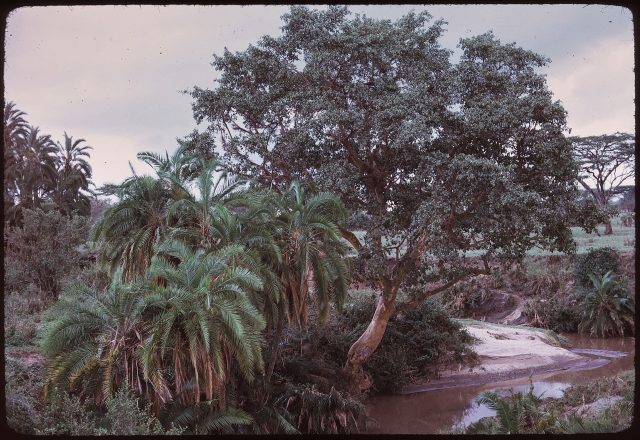
The park changes with the terrain. In the north, the Mara River cuts through the land. During migration, wildebeest plunge into its waters, and crocodiles strike. To the south, near Ngorongoro, hills rise, and forests shelter elephants. The west holds the Grumeti River, where thickets hide leopards and rare black rhinos.
Every species here has a role. Predators control herbivore numbers. Herbivores shape the grasslands. Scavengers clean the carcasses. No animal is good or bad—just part of a cycle that has lasted millions of years. That’s why the Serengeti matters. It’s a UNESCO World Heritage Site, part of a larger ecosystem that includes Ngorongoro and Kenya’s Maasai Mara.
You won’t find crowds or distractions. Just the savanna, the animals, and the silence. It’s a place that makes you think about how fragile this balance is—and how important it is to protect it. Many return, drawn back by the feeling of being part of something far older and wilder than everyday life.