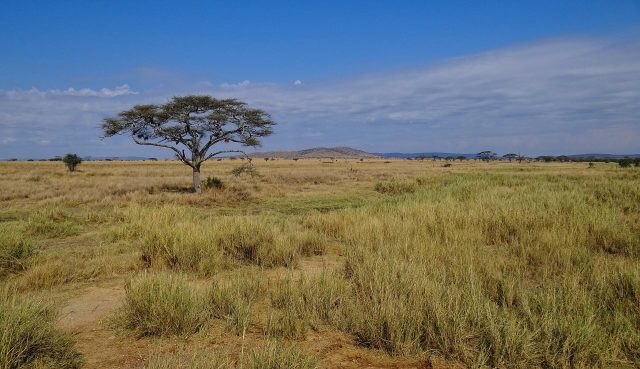
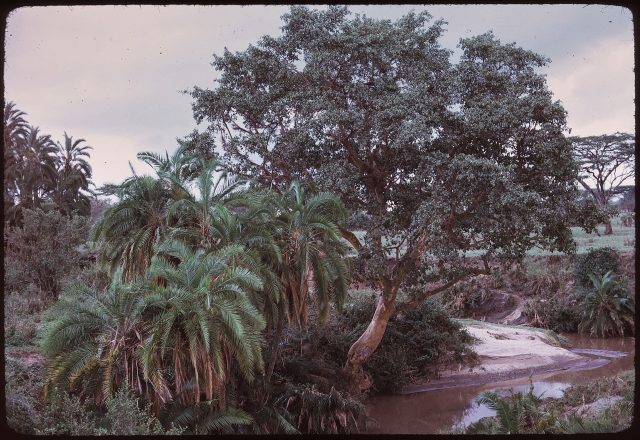
Seronera Airstrip isn’t just another dot on the map of Serengeti National Park—it’s the threshold to one of Africa’s most legendary wildernesses. There are no glass terminals here, no endless queues, no flickering departure boards. Instead, a short dirt runway stretches across the savanna, where the distant shapes of antelope or elephants might drift past like mirages. The planes that land here are small, often private or chartered, carrying travelers who’ve come for one thing: the raw, untamed pulse of the wild.
This place grew from necessity. By the mid-20th century, the Serengeti’s fame had begun to draw adventurers from across the globe, but reaching its heart was a grueling journey. The airstrip took shape in the 1950s, carved into the landscape as a practical solution for those who wanted to witness the great wildebeest migration or track lions through the grasslands without days of overland travel. There’s no pretension here—no polished floors or duty-free shops—just the quiet understanding that the real luxury isn’t in comfort, but in the land itself.
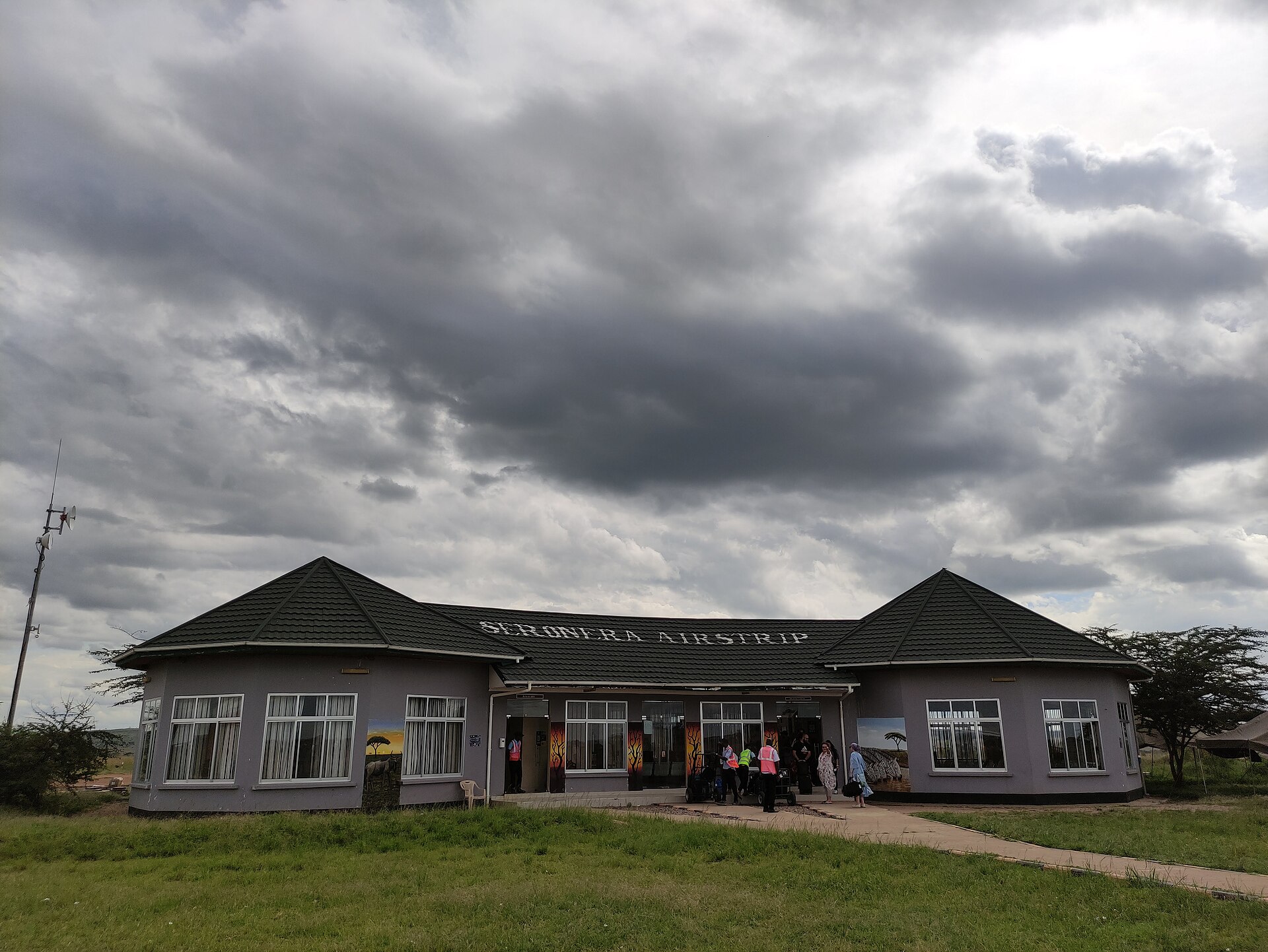
The airstrip’s design is as unassuming as its purpose. A modest hangar, a few low buildings for staff, a weathered sign—nothing more than what’s needed to keep things running. The runway is unpaved, and after rain, it can soften, delaying flights. But that’s part of the rhythm. When passengers step off the plane, they’re met not by taxis or shuttle buses, but by the open air, thick with the scent of dry grass and dust. The horizon stretches endlessly, and the only vehicles waiting are safari jeeps, engines idling, ready to disappear into the bush.
Beyond the airstrip, Seronera is a small outpost of human presence in the vastness of the park. A handful of tented camps and lodges offer simple refuge: a bed, a hot shower, a meal by firelight. Nights here are alive with the sounds of the wild—lions roaring in the distance, hyenas calling to each other, the rustle of something unseen moving through the grass. Mornings begin with birdsong and the whisper of wind through the savanna. For many, this is where Africa stops being a postcard and starts being real.
The airstrip’s importance to the region is hard to overstate. It’s the lifeline that connects the Serengeti to the outside world, cutting travel time from days to hours. Without it, the logistics of running a park this size would be far more complicated—supplies, equipment, and even medical aid arrive by air. For travelers, it means the difference between a fleeting visit and a deeper immersion. A short flight from Arusha or Dar es Salaam, and suddenly, you’re here, stepping into a landscape that feels untouched by time.
Time moves differently at Seronera. Flights don’t always run on schedule—weather, wildlife crossing the runway, or just the unpredictable nature of the bush can cause delays. But no one minds. Waiting here isn’t a frustration; it’s part of the experience. You might spend an hour watching a herd of elephants amble past or a family of warthogs rooting in the dirt. There’s no rush, no urgency, just the slow unspooling of a day in the wild.
This is where the line between civilization and wilderness blurs. Seronera isn’t a place you stumble upon by accident—it’s a deliberate step away from the familiar. There are no paved roads leading here, no hotels with room service, no guarantees of comfort. What it offers instead is something rarer: the chance to stand in a landscape that hasn’t changed in centuries, where the rules are set by nature, not by humans.
For many, the moment the plane touches down in Seronera is when the journey truly begins. The long flights, the planning, the anticipation—it all fades into the background when the savanna unfolds beneath you. There’s no mistaking it: you’re in Africa, in the heart of one of the last great wild places on earth. The airstrip may be humble, but its role is anything but small. It’s the gateway to a world where humans are visitors, and the animals are the ones who belong.