Nestled in the quiet town of Rathen in eastern Germany, the open-air museum feels like a place where time has gently settled into a slower rhythm. There are no glass cases here, no sterile plaques explaining exhibits in clinical detail. Instead, the past unfolds in the form of real homes, workshops, and winding paths that recreate the rural life of Saxony as it was centuries ago. The museum isn’t just a collection of objects—it’s a living village where history breathes through weathered wood, thatched roofs, and the quiet hum of everyday life as it once was.
The museum sprawls across a generous stretch of land, bringing together over fifty historic buildings that were carefully dismantled from their original locations across the region and reassembled here. Each structure tells its own story. There are farmsteads with their sprawling barns, water-powered mills that once ground grain for entire communities, and blacksmith forges where iron was shaped into tools and horseshoes. Even a small church stands among them, its simple wooden pews and modest altar offering a glimpse into the spiritual life of the past. The buildings aren’t just preserved—they’re kept alive, with interiors furnished as they would have been in their heyday.
The thatched-roof cottages are among the most striking features of the museum. Their thick wooden beams, low ceilings, and tiny windows speak of a time when homes were built to withstand harsh winters and provide shelter rather than luxury. Inside, the air carries the faint scent of woodsmoke and dried herbs. Clay pots line the shelves, looms stand ready for use, and hand-forged tools lie scattered as if their owners had just stepped out for a moment. It’s easy to imagine the crackling of a fire in the hearth or the murmur of voices planning the day’s work. These houses weren’t just places to live—they were the heart of family life, where generations shared meals, stories, and skills.
Beyond the homes, the museum extends into the fields and pastures that once sustained rural communities. Here, traditional crops still grow in neat rows, and livestock grazes just as it did centuries ago. Visitors can see how grain was threshed by hand, how flax was turned into linen, or how a plow was pulled by oxen. The work was hard, often backbreaking, and the tools—though simple—were ingeniously designed for the tasks at hand. Watching these processes in action makes it clear just how much labor went into every loaf of bread, every bolt of cloth, and every tool that shaped daily life. It’s a stark contrast to the mechanized farming of today, where machines do in hours what once took weeks.
But the museum isn’t frozen in time. Throughout the year, it comes alive with events that invite visitors to step into the past in a more immersive way. Craft fairs bring artisans demonstrating skills like pottery, weaving, and woodcarving, their hands moving with the same precision as their ancestors. Folk music festivals fill the air with the sounds of fiddles and accordions, while workshops teach traditional techniques, from candle-making to bread-baking. The most magical time is during the Christmas markets, when the museum transforms into a storybook village. Twinkling lights, the scent of gingerbread and mulled wine, and the cheerful jingle of sleigh bells create an atmosphere that feels both nostalgic and timeless.
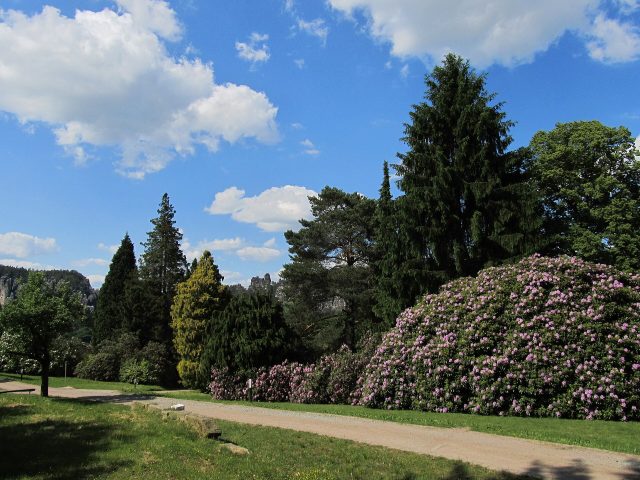
The setting of the museum is as much a part of its charm as the buildings themselves. Rathen sits in a picturesque landscape of rolling hills and dense forests, and the museum’s structures blend seamlessly into the surroundings. The thatched roofs and wooden walls seem to grow out of the earth, as if they’ve always been here. A walk through the grounds is as much about the natural beauty of the area as it is about history. The air is fresh, the silence broken only by the rustle of leaves or the distant lowing of cattle. For many, the museum is a place to escape the noise of modern life, to wander without hurry, and to simply be present in a space where the past and present coexist.
What makes this museum different from others is its focus on the ordinary. There are no grand palaces or famous battles here—just the quiet, unassuming lives of farmers, craftsmen, and families who shaped the region through their daily routines. It’s a reminder that history isn’t just made by kings and generals; it’s also made by the people who tilled the soil, raised children, and kept traditions alive. The museum doesn’t just show how people lived—it invites visitors to feel it. To sit on a wooden bench outside a cottage, to run their hands over the rough texture of a handwoven blanket, or to listen to the creak of a windmill turning in the breeze.
A visit here isn’t something to rush. It’s a place to linger, to explore at a leisurely pace, and to let curiosity guide the way. Some come for the history, others for the chance to disconnect from the modern world. But no matter the reason, the museum leaves an impression that lingers long after the visit. It’s not just about seeing the past—it’s about experiencing it in a way that feels real, tangible, and deeply human. In a world that moves faster every day, Rathen’s open-air museum offers a rare opportunity to step back, to breathe, and to remember what it means to live in a rhythm that’s in harmony with the land.