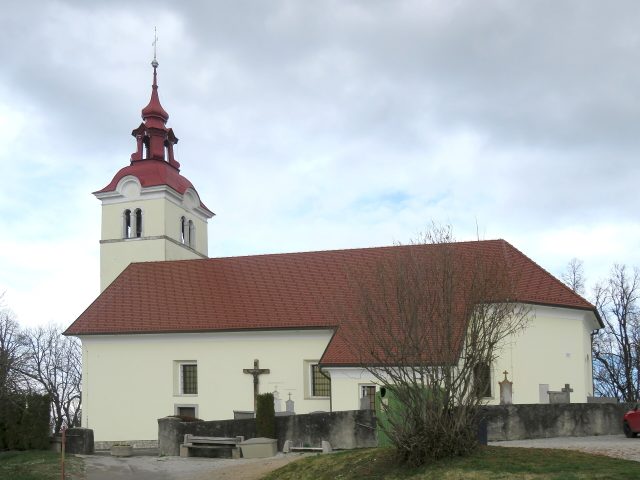
Rateče is a village that feels suspended in another era, tucked away in the Slovenian Alps where the air is crisp and the pace of life slows to match the rhythm of the mountains. It sits in the valley of the Sava Dolinka River, just a short distance from the borders with Austria and Italy, surrounded by peaks that draw skiers in winter and hikers in summer. There are no crowded resorts or luxury hotels here—just a handful of guesthouses, weathered wooden chalets, and the quiet hum of alpine life, broken only by the occasional chime of cowbells drifting from nearby pastures.
The history of Rateče is woven into the broader story of the region. For centuries, these lands were part of the Duchy of Carinthia before becoming a cornerstone of the Habsburg Empire. The village served as a vital crossroads through the Alps, a resting place for merchants and travelers making their way between Central Europe and the Adriatic. Locals lived off the land, raising cattle, logging timber, and crafting tools, while the rise of tourism in the 19th century brought the first visitors—mountaineers and hikers eager to explore the untamed beauty of the Julian Alps. Today, Rateče still carries that same spirit, where traditions aren’t just preserved but lived daily, from the way homes are built to the food served in local inns.
The architecture here is unassuming yet perfectly suited to its surroundings. Homes were constructed from wood and stone, built to withstand harsh winters and howling winds. Their steep, shingled roofs were designed to shed snow, and many of these structures have stood for generations. Some have been updated with modern comforts, but their exteriors remain largely unchanged, offering a glimpse into the past. Wandering the narrow lanes, you’ll find old wells, wooden awnings, and balconies adorned with flowers, each detail a quiet testament to the village’s enduring character.
What truly defines Rateče, though, is its setting within Triglav National Park, named after Slovenia’s highest peak. The village is a gateway to some of the most stunning landscapes in the Alps, with trails leading to hidden lakes, cascading waterfalls, and high mountain passes. One of the most beloved routes takes you to Lake Jasna, a small but breathtaking body of water framed by forests and cliffs. In summer, its clear, cool waters reflect the surrounding peaks, while in winter, the frozen surface becomes a natural ice-skating rink. Nearby, the Tamar Valley offers a wilder experience, where rare plants cling to rocky slopes and rushing streams carve their way through the terrain.
When winter arrives, Rateče becomes part of the Kranjska Gora ski resort, one of Slovenia’s most cherished destinations for snow sports. Unlike the sprawling resorts of Austria or Italy, this area retains a more intimate feel, with well-groomed slopes catering to everyone from beginners to seasoned skiers. Lifts ascend to over 2,000 meters, revealing sweeping views of the valley below. Snowboarders and freeriders often head toward the Vršič Pass, where deep powder lingers well into spring, offering a playground for those who prefer untouched terrain.
Summer transforms the village into a haven for outdoor enthusiasts. Cyclists tackle winding mountain roads that climb toward passes and neighboring valleys, while hikers embark on multi-day treks through the national park, staying overnight in rustic mountain huts. For those who prefer a slower pace, the surrounding meadows and forests provide the perfect backdrop for leisurely walks, with wildflowers dotting the landscape and the scent of pine filling the air. A handful of small cafés and restaurants serve hearty local dishes—thick barley soup, grilled trout, freshly baked bread, and artisanal cheeses made from cow’s milk—simple fare that tastes all the better after a day spent in the mountains.
What makes Rateče special is its ability to offer a genuine alpine experience without the trappings of mass tourism. There’s no rush here, no overbearing service, just the quiet beauty of the landscape and the people who call it home. As evening falls, the village settles into a hush, broken only by the crackle of firewood in hearths and the distant toll of church bells. It’s a place where you can step away from the noise of modern life, breathe in the cool mountain air, and understand why the Julian Alps have long captivated those who venture into their folds. Whether you come for the skiing, the hiking, or simply the chance to slow down, Rateče leaves an impression that lingers long after you’ve left.