Kranjska Gora’s main square, named after Italy’s King Victor Emmanuel III, is one of those places where history and everyday life blend so naturally that you almost forget they were ever separate. It’s small enough to feel intimate, yet it holds everything that makes this Alpine corner of Slovenia special. The pastel facades of old houses, their wooden shutters and tiled roofs, look as if they’ve been here for centuries—and in many cases, they have. The square isn’t grand or imposing, but that’s part of its charm. It feels like stepping into a postcard from the early 1900s, where the biggest concern was whether the morning bread was still warm.
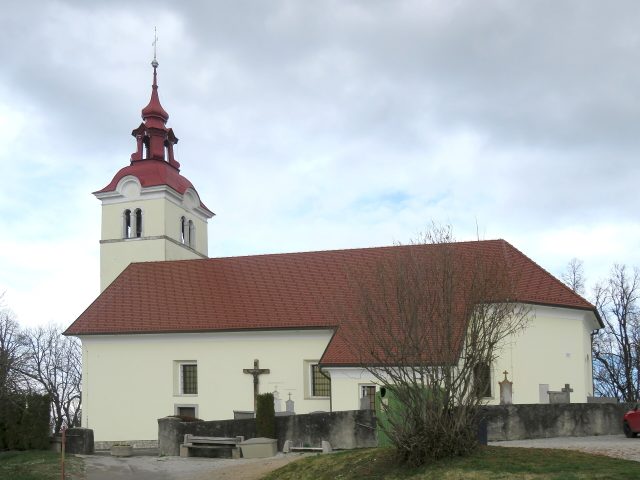
The name itself carries a story. In the early 20th century, this region was part of the Austro-Hungarian Empire, only to change hands after World War I when it briefly fell under Italian rule. Victor Emmanuel III’s name was given to the square during that period, a quiet reminder of how borders shifted and how the lives of people here were shaped by forces far beyond their control. Today, the square doesn’t wear its history on its sleeve—there are no grand monuments or plaques—but if you look closely, you’ll notice the details: the faded frescoes on some buildings, the wrought-iron grilles on windows, the way the church spire cuts into the sky. The Church of St. Stephen, just off the square, is the oldest witness to these changes. Built in the 15th century, its Gothic tower has watched over the town through wars, occupations, and quiet decades alike. Inside, the original frescoes and carved altar still stand, though time has softened their edges.
This is a place where life moves at its own pace. In the mornings, locals gather here—some grabbing coffee before work, others stopping by the bakery for fresh bread. Tourists blend in effortlessly, not as outsiders but as temporary neighbors. In summer, the square fills with the scent of espresso and mountain herbs, while children play near the fountain and visitors snap photos of the flower beds. Winter transforms it entirely. Strings of lights appear, and the air hums with the anticipation of Christmas markets, where vendors sell smoked meats, honey, and handmade cheeses. There’s no rush, no pressure to do or see anything in particular. The square simply exists, as it has for generations, offering a moment of stillness in a world that rarely slows down.
What makes this place special isn’t just its architecture or its history, but the way it makes you feel. There’s no grand spectacle here, no must-see attractions clamoring for attention. Instead, it’s the kind of square where you might linger for an hour over a coffee, watching the world go by. The locals know each other by name, and even first-time visitors quickly feel at ease. It’s the sort of place where you might strike up a conversation with a shopkeeper or find yourself invited to join a game of chess at one of the outdoor tables. That unhurried, welcoming atmosphere is what draws people back—not for the sights, but for the sense of belonging.
From here, the rest of Kranjska Gora unfolds like a story. The square is the perfect starting point for exploring the surrounding mountains, whether you’re heading out on a hike, a bike ride, or a ski trail. The Sava Dolinka River valley is just a short walk away, its paths winding through forests and meadows. But you don’t have to be an adventurer to enjoy the area. Sometimes, the best way to experience a place is simply to wander its streets, peek into small shops selling local crafts, or sit at a café with a view of the peaks. The mountains are always there, framing the town like a painting, but the square is where you’ll find the heart of it all.
There’s something timeless about this corner of Slovenia. It doesn’t try to impress with grandeur or spectacle; it just is. The square, with its quiet dignity, feels like a living room where everyone is welcome. Whether you’re here for a day or a week, it leaves an impression—not because of anything in particular, but because of the way it makes you slow down and pay attention. That’s why people return, not for the landmarks or the activities, but for the feeling of being somewhere that still moves to its own rhythm. In a world that often feels too fast, too loud, too crowded, Kranjska Gora’s square offers something rare: a place where time doesn’t just pass, but lingers.