Piriápolis has a way of slowing time down, and nowhere is that more evident than along the Rambla de los Argentinos. This isn’t just a waterfront promenade—it’s the quiet backbone of the city, a long, unhurried stretch where the Atlantic Ocean sets the pace. The Rambla curves gently along the shore, linking beaches, parks, and neighborhoods into a single, seamless line. There’s no rush here, no crowds pressing in from all sides. Instead, there’s space to breathe, to linger, and to watch the water change with the light. Locals simply call it the Rambla, and the name carries the weight of something familiar, something that belongs as much to the sea as it does to the city.
The history of the Rambla is inseparable from the story of Piriápolis itself. In the early 20th century, when the city was still a fledgling resort, the promenade was its lifeline—a place where Argentina’s elite came to stroll, socialize, and escape the heat of Buenos Aires. Back then, the Rambla was little more than a sandy path lined with wooden boardwalks and the first of the grand villas that would later define the city’s character. Those early years left their mark in the low-slung buildings and the air of understated elegance that still clings to the place. The Rambla grew alongside the city, evolving from a simple seaside walk into something more enduring, a thread that has held Piriápolis together for over a century.
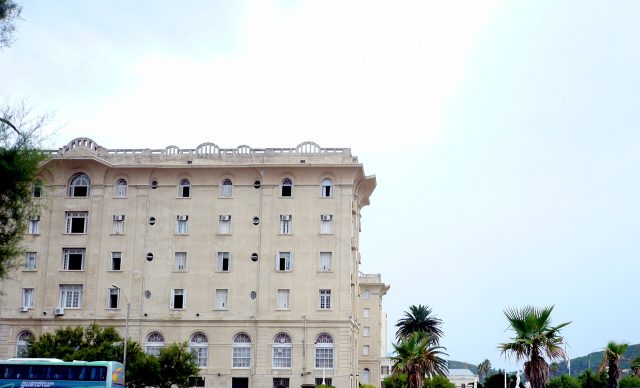
What makes the Rambla special isn’t grand architecture or flashy attractions. There are no towering hotels or neon signs here, just a collection of modest, well-worn buildings that feel lived-in rather than designed for show. The oldest villas, built in the 1920s and 30s, still stand out with their rounded windows, delicate stucco work, and faded pastel facades. These were the homes of writers, artists, and wealthy families who came to Piriápolis when it was still a retreat for the privileged few. Today, they blend into the landscape, their charm undiminished by time. Alongside them, small cafés spill onto the sidewalk, their tables shaded by awnings, while tiny shops sell everything from handmade crafts to the day’s catch of fish.
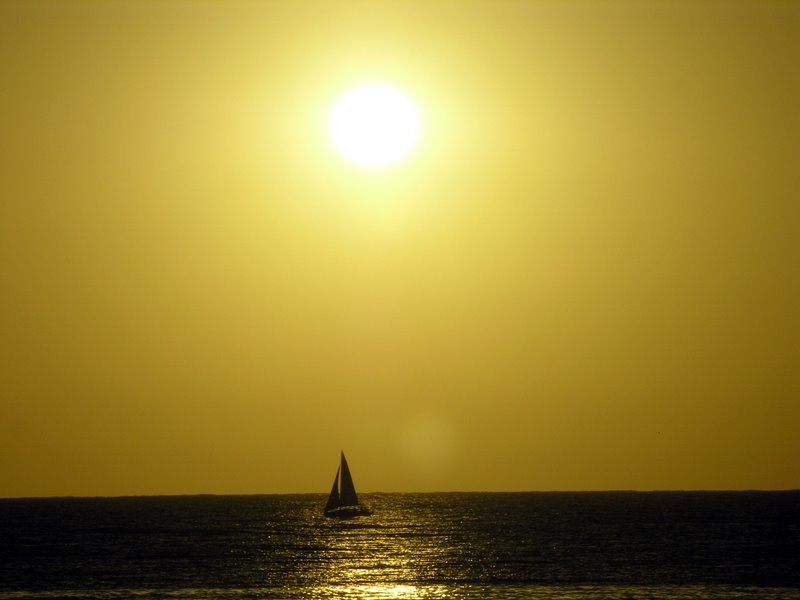
The real draw of the Rambla, though, is the ocean. It’s never the same from one hour to the next—sometimes calm and glassy, sometimes wild, with waves crashing against the shore in a spray of salt and foam. The beaches here are wide and quiet, even in the height of summer, their fine golden sand stretching out toward the horizon. In the mornings, locals come to swim or sit with their thermoses of mate, watching the sun rise over the water. By late afternoon, the Rambla begins to stir as visitors gather for the evening’s slow ritual: a walk along the shore, a drink at a café, the gradual deepening of colors as the sun sinks into the sea. The air fills with the sound of laughter, the clink of glasses, and the distant hum of music from open-air bars.
Walking the Rambla is like stepping into the rhythm of Piriápolis itself. There’s none of the frenetic energy of Punta del Este or the urban bustle of Montevideo. Instead, there’s a sense of time moving at its own pace, unhurried and unforced. The promenade is lined with parks where palm trees sway in the breeze and flowerbeds burst with color, offering patches of shade for those who want to escape the midday sun. In the evenings, the Rambla often becomes a stage for local life—impromptu concerts, street performances, or the occasional artisan market where vendors sell handmade jewelry, leather goods, and traditional Uruguayan snacks. These moments feel spontaneous, as if they’ve always been part of the place, rather than something planned for tourists.
The Rambla has a way of making everything feel effortless. There’s no need to fill the hours with activities or check off a list of sights. The simplest things—a stroll along the water, the sound of waves breaking, the way the light shifts as the day wears on—are enough. Mornings belong to the fishermen mending their nets and preparing their boats for the day’s work. By midday, families take over, building sandcastles and letting children splash in the shallows. As evening falls, couples wander hand in hand under the glow of streetlamps, their footsteps syncing with the distant rhythm of the tide. It’s a place where life unfolds naturally, without pretense or pressure.
Piriápolis may have long since shed its reputation as an exclusive retreat for the wealthy, but the Rambla hasn’t lost its soul. It doesn’t try to be trendy or polished; it doesn’t need to. The charm of the place lies in its simplicity—in the way it embraces the sea, the sand, and the slow passage of time. That’s why people keep coming back, year after year. The Rambla isn’t just a street; it’s a feeling, one that lingers long after you’ve left. It’s the quiet certainty that some places don’t need to shout to be heard, that some moments don’t need to be staged to be perfect. And in a world that often moves too fast, that’s more than enough.