Piriápolis Beach isn’t just another stretch of sand along Uruguay’s Atlantic coast—it’s where the ocean meets a quiet, unhurried town with a story to tell. The shoreline curves gently for kilometers, its fine golden sand giving way to slow, rolling waves that feel more like an invitation than a spectacle. There’s no crowded boardwalk here, no blaring music or rows of umbrellas for rent. Instead, the rhythm of the place moves at the pace of the tide, drawing those who’ve grown tired of the noise and rush of bigger resorts. The beach begins at the foot of Cerro Pan de Azúcar, where the town’s first hotel once stood, and stretches southward, gradually thinning into wilder, emptier stretches of coast where the only footprints might be your own.
The town’s past is tied to one man’s vision. Francisco Piria, an Italian immigrant who arrived in the early 20th century, saw potential in this quiet corner of Uruguay and set out to turn it into a retreat for the well-to-do. But Piria didn’t just build hotels—he crafted an entire philosophy. He imagined a garden city where nature and architecture coexisted, where every street led to the sea and every home was nestled in greenery. That dream still lingers today. Walk along the Rambla de los Argentinos, the promenade named for the Argentine visitors who’ve been coming here for generations, and you’ll see it in the old mansions with their intricate balconies, the palm-lined boulevards, and the way the town seems to breathe in sync with the ocean. The beach was always the heart of this plan, a place where wealthy Uruguayans and international guests once mingled, though now it belongs to anyone who wanders down to the water.
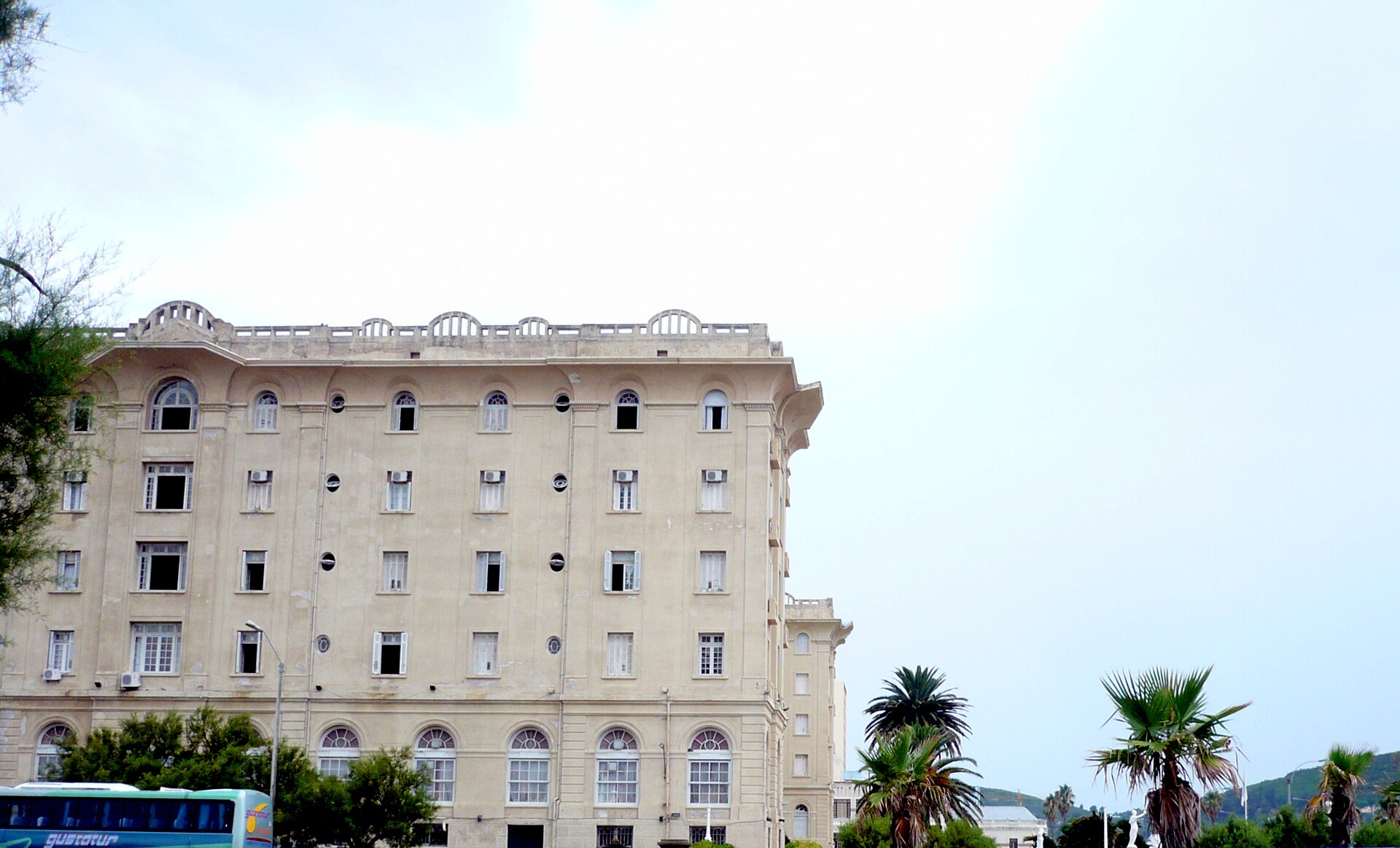
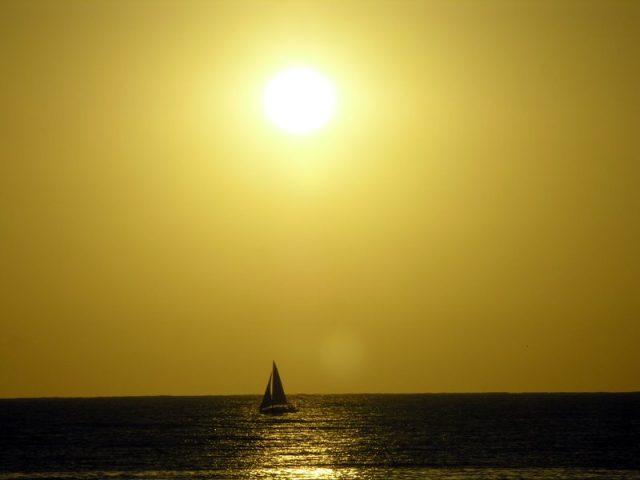
The architecture here carries the weight of that history, blending European elegance with the easygoing spirit of Latin America. Along the waterfront, buildings from the 1920s and 30s stand as quiet witnesses to the town’s golden age—art deco facades, neoclassical columns, and the grand old casino, now a cultural center, with its marble floors and stained-glass windows. These structures were built for leisure, for long afternoons spent sipping drinks on shaded terraces, and though their purpose has shifted over the decades, they still feel like relics of a time when Piriápolis was synonymous with sophistication. The promenade itself is a throwback, lined with benches where locals and visitors sit to watch the sunset, just as they have for nearly a century.
What makes Piriápolis Beach different from other resort destinations is its refusal to conform to expectations. There are no beach clubs blasting music, no vendors aggressively hawking souvenirs, no pressure to do anything but exist in the moment. The sand is soft and clean, the water clear but cooler than the Caribbean, warmed just enough for swimming in the summer months. Even in the off-season, when the crowds thin and the waves grow rougher, the beach retains its appeal. It’s a place for long walks, for sitting with a thermos of mate and watching the horizon, for feeling the salt on your skin without the distraction of a packed agenda.
One of the beach’s greatest charms is its openness. Unlike some of Uruguay’s more exclusive coastal spots, Piriápolis doesn’t fence off its shoreline. The sand and sea are for everyone—families setting up picnics, groups playing beach soccer, fishermen casting their lines at dawn. In the summer, a few small kiosks sell ice cream and empanadas, but they’re unobtrusive, blending into the scenery rather than dominating it. As evening falls, the promenade comes alive in a low-key way: restaurants open their doors, the scent of grilled fish drifts through the air, and the lights along the waterfront flicker on, reflecting in the darkening waves. It’s a scene that feels both timeless and effortless, as if the town has always known how to balance life and leisure.
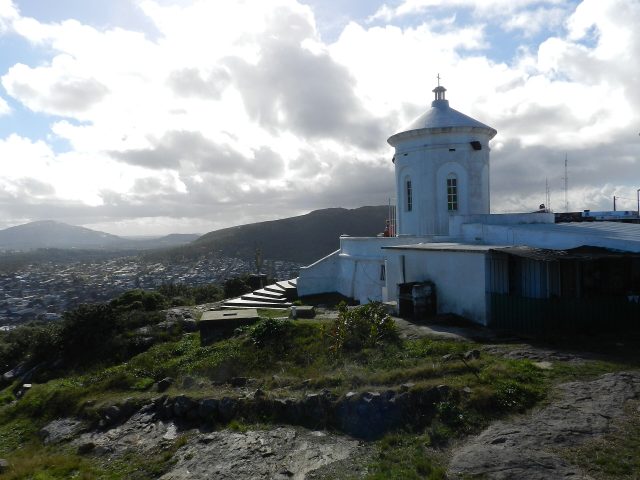
Beyond the beach, Piriápolis serves as a gateway to the region’s natural beauty. The hills surrounding the town are dotted with forests and vineyards, offering trails for hiking and cycling. Cerro Pan de Azúcar, the sugar-loaf mountain that looms over the coast, is a favorite climb for those seeking panoramic views. From the summit, the beach below looks like a crescent of gold against the blue of the ocean, stretching as far as the eye can see. On clear days, you can spot the distant outline of Isla de Lobos, where sea lions bask on the rocks. It’s a reminder that this stretch of coast is part of something larger, a landscape shaped by wind and water over centuries.
The town moves at its own pace, and that rhythm is most evident on the beach. Mornings are quiet, with only a few fishermen working near the shore. By midday, the sand fills with sunbathers, but even at the height of summer, it never feels crowded. In the late afternoon, as the heat eases, locals gather on the promenade—some strolling, others sitting on benches with friends, children playing in the shallows. There’s no urgency here, no sense that you’re supposed to be somewhere else. For a few hours, Piriápolis feels less like a tourist destination and more like a small coastal town where life has always been this simple.
What Piriápolis Beach offers isn’t glamour or excitement, but something rarer: the chance to step away from the noise. It’s a place where the most memorable moments often happen when you’re doing nothing at all—lying on the sand with a book, walking along the water’s edge as the tide rolls in, or sitting on the promenade as the sun dips below the horizon. There’s no script to follow, no must-see attractions demanding your attention. Just the sound of waves, the warmth of the sun, and the quiet understanding that sometimes, the best way to experience a place is to let it unfold around you.