Piriápolis Casino feels like a place where time has paused, a quiet monument to an era when this stretch of Uruguay’s Atlantic coast was a playground for leisure and chance. Built in the mid-20th century, it wasn’t just another gambling hall—it was the heart of a vision. The town itself was the creation of Francisco Piria, an entrepreneur who imagined a perfect seaside escape where relaxation and excitement could coexist. The casino was the natural centerpiece of that dream, a place where elegance and risk mingled effortlessly with the easy rhythm of a coastal town.
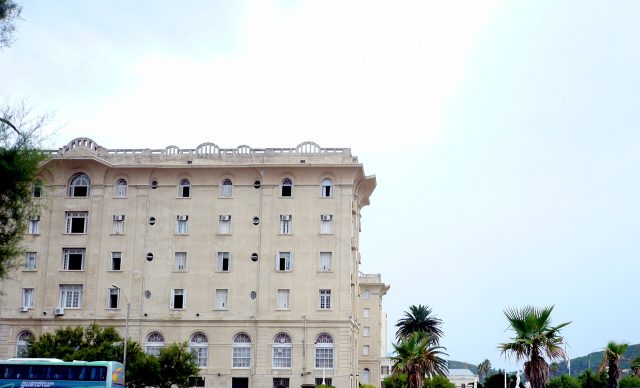
The building stands out against the rest of Piriápolis, its architecture a nod to the grand European resorts of the early 1900s. There’s a touch of art deco in the clean lines, a hint of neoclassical grace in the proportions. Inside, the high ceilings and large windows let in a soft, diffused light, making the spaces feel airy and unhurried. The details—marble staircases, crystal chandeliers, polished wood panels—speak of a time when luxury was measured in craftsmanship rather than flash. Even if you don’t place a bet, the interiors alone are worth a slow walk through, each corner offering a glimpse of a different era.
Beyond gambling, the casino has always been a cultural hub for the town. Over the decades, its halls have hosted concerts, dance nights, art exhibitions, and even theater performances. For many Uruguayans and visitors, it’s tied to the golden age of resort life, when Piriápolis was one of the most fashionable destinations on the Atlantic coast. Today, some still come for the tables, but just as many are drawn by the atmosphere—the sense of stepping into a world where the pace is slower, the stakes feel different, and the past lingers in the air.
Piriápolis owes much of its early growth to the casino. In its heyday, it attracted wealthy travelers from Argentina, Brazil, and beyond. Celebrities, politicians, and business figures passed through its doors, and the town expanded to meet their expectations. Tastes in travel have shifted since then, and while the casino is no longer the bustling attraction it once was, it hasn’t lost its charm. It’s less a magnet for crowds now and more a quiet tribute to the town’s history, a place that refuses to be forgotten.
For locals, the casino is a piece of living memory. Some have worked here for decades, and for them, it’s more than a job—it’s a connection to the town’s identity. Visitors, especially those who return year after year, often remark on how different it feels from modern entertainment complexes. There’s no rush, no aggressive service, no sense of being just another customer. Instead, there’s the hush of spacious rooms, the warm glow of lamps, and the distant sound of waves rolling in. It’s the kind of place where you can sit for a while without feeling the need to do anything at all.
The casino isn’t the sprawling gambling empire it was in the mid-20th century. Fewer tables, fewer players, and a quieter energy define it now. But that might be its greatest appeal. It’s a place for those who care less about the thrill of the game and more about the experience of stepping into another time. You could spend an hour at the card tables or simply linger at the bar with a glass of wine, watching the players and listening to the piano in the background. The stakes feel lower here, not just in terms of money, but in the way time itself seems to move differently.
Piriápolis has always had its own rhythm, and the casino fits perfectly into that pace. It opens in the evening, when the sun’s heat has faded and the sea begins to mirror the town’s lights. That’s when the building is at its most beautiful—the glow from its windows spilling onto the promenade, casting reflections on the water. Locals often stroll by in the evenings, and the casino becomes part of their routine, whether they step inside or just pass by, feeling its presence like an old friend.
In recent years, the casino has faced challenges. Economic shifts, changing laws, and competition from newer venues have all taken a toll. Yet it remains open, perhaps because its real value lies not in the games it offers but in the history it preserves. In a world that moves faster every day, places like this become rare. They’re not just buildings—they’re time capsules, offering a way to touch the past without opening a history book. Piriápolis Casino is one of those places, a quiet reminder of what once was, and what still endures.