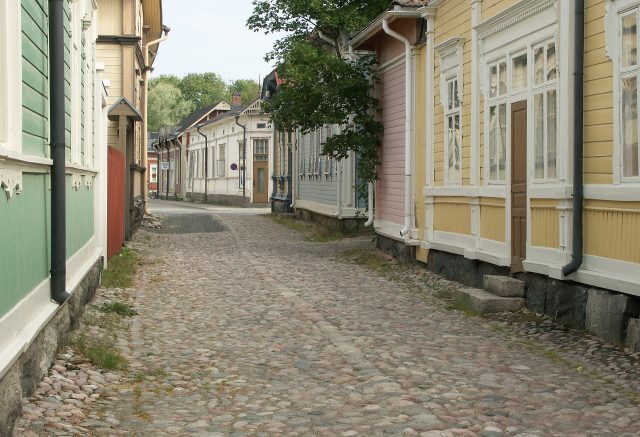
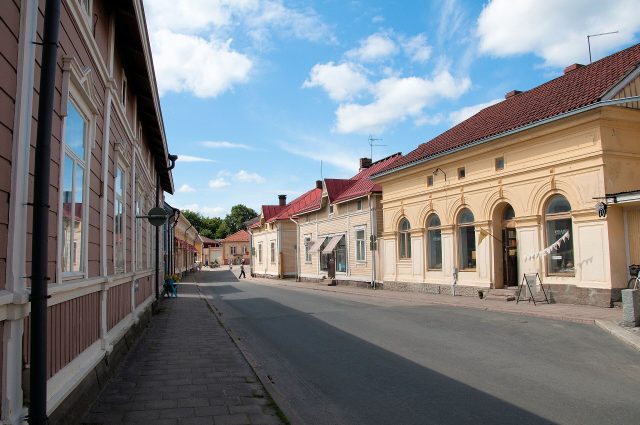
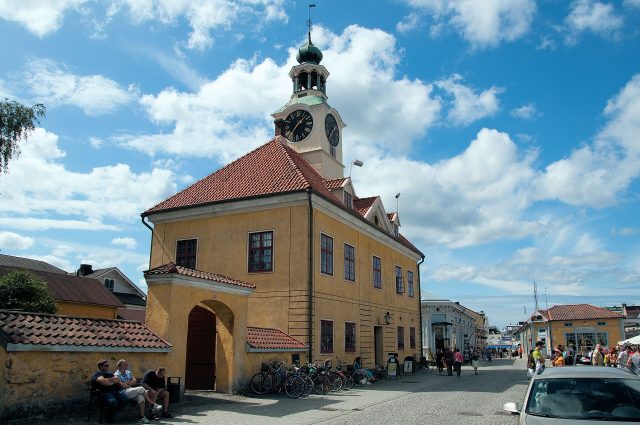
Old Rauma is a town that feels like it’s been lifted straight from the pages of a storybook. Its narrow cobblestone streets wind between wooden houses adorned with intricate carvings, their quiet courtyards untouched by the rush of modern life. But step beyond these charming facades toward the water, and the scene shifts entirely. Here, the port hums with activity, thick with the scent of salt, diesel, and the day’s catch. On Finland’s western coast, where the Gulf of Bothnia stretches toward the horizon, Rauma wears its history lightly—yet its identity has always been tied to the sea.
The port is one of the oldest in Finland, its origins lost in the mists of time. While no one can pinpoint its exact founding, records of trade here date back to the Middle Ages, when Rauma served as a vital stop for merchants moving goods between Sweden, the Baltic, and the Finnish interior. Wooden ships laden with timber, tar, and fish set sail from its docks, returning with salt, textiles, and metal. The sea sustained the town, and the port was its lifeblood. When Finland became part of the Russian Empire, Rauma’s importance only grew. Shipyards, warehouses, and customs houses sprang up along the shore, and even now, old maps show how the port gradually expanded, claiming more of the coastline with each passing decade.
The architecture of the port tells its own story, one of brick and iron and the slow passage of time. The red-brick warehouses built in the late 19th century, when Rauma flourished thanks to the timber trade, still line the waterfront. Their sturdy walls and tall windows hint at an era when work never stopped—when the docks buzzed with laborers loading and unloading cargo around the clock. Nearby, more modern structures stand: cranes, hangars, berths for freight ships. Yet they don’t feel out of place. The port has always been a place where past and present coexist, as naturally as the tides. A long breakwater stretches along the shore, shielding the harbor from storms, while beyond it, the open sea glints under the sun, its distant islands just visible on clear days.
Today, the port is more than just a hub for trade. It’s a place where life unfolds in all its messy, vibrant detail. Fishing boats share the docks with cargo ships and pleasure craft, their hulls bobbing in the water. In the mornings, fishermen unload their catch—cod, herring, salmon—while the smell of fresh fish mingles with the aroma of coffee from the small cafés that dot the waterfront. In summer, the port comes alive. Tourists stroll along the promenade, snapping photos of old vessels or stopping at seafood restaurants where the day’s haul is served straight from the boat. Winter is quieter, the wind whipping between the piers, the occasional horn of a departing ferry cutting through the silence.
But the port isn’t just about work. In recent years, it has become a place for leisure, too. Pedestrian walkways and bike paths wind along the shore, while picnic spots offer a place to sit and watch the water. In summer, you can rent a kayak or a small boat and paddle along the coast, or even venture out to one of the nearby islands. For those who prefer to stay on land, lookout points provide sweeping views of the bay and the ships gliding into the harbor. And if you’re lucky, you might witness a massive freighter docking—a sight that never fails to impress, its sheer size a reminder of the port’s enduring role in global trade.
Yet the port is more than just ships and sea. It’s woven into the fabric of the town itself, a place where Rauma’s past and present intersect. Festivals, concerts, and markets bring the waterfront to life throughout the year. In summer, the traditional fish market draws crowds, offering everything from freshly caught herring to smoked salmon and hearty fish stew. Autumn brings celebrations marking the end of the sailing season, while winter sees Christmas markets spring up along the docks. The port becomes a gathering place, where locals and visitors alike come to share a meal, listen to music, or simply enjoy the view.
Rauma is a town that honors its traditions without resisting change, and the port embodies that balance. It connects the town to the wider world, a reminder of its maritime roots while also paving the way for the future. Walk along the waterfront, and you’ll see old warehouses repurposed as lofts and offices, their historic facades preserved even as their interiors take on new life. Fishing boats share the docks with sleek yachts, and the rhythm of life here is steady, unhurried—like the waves lapping against the shore.
If you ever find yourself in Rauma, don’t rush straight into the old town. Take a moment to wander down to the port first. Sit by the water, listen to the gulls crying overhead, and let the wind carry the scent of salt and seaweed. The port isn’t just a place on a map; it’s a living piece of history, one that continues to shape the town and its people. And perhaps, standing there, you’ll understand why Rauma feels the way it does—why its streets, its people, and its very soul are so deeply tied to the sea.