Polotsk State University sits quietly in the heart of a city that has seen over a thousand years of history unfold. Unlike the grand, centuries-old academies with their manicured courtyards and towering spires, this university doesn’t announce itself with architectural fanfare. Instead, it carries the weight of its purpose in a different way—through the steady rhythm of learning that has shaped generations in this part of Belarus.
The university’s origins trace back to the mid-20th century, when it emerged from a pedagogical institute that itself was built upon the foundations of earlier educational traditions in Polotsk. Over time, it expanded beyond teacher training, evolving into a comprehensive institution that now offers programs in engineering, humanities, social sciences, and more. Yet what remains constant is the sense of continuity—students and faculty here are part of something that extends beyond the classroom, a thread woven into the broader story of the city and its people.
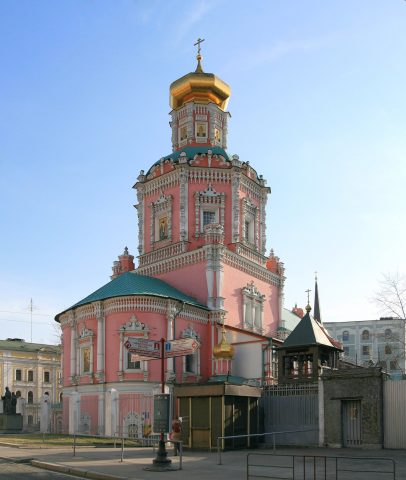
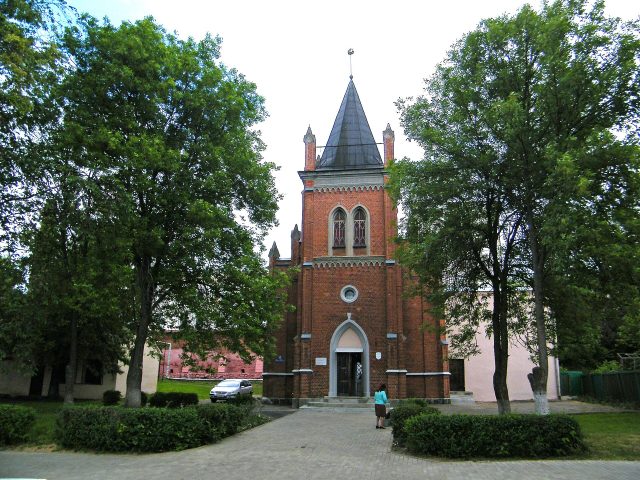
The buildings themselves are unassuming, designed with practicality rather than grandeur in mind. Some date back to the Soviet era, others are more recent, but all blend seamlessly into Polotsk’s urban fabric. A few stand near the city’s oldest landmarks, where the contrast between modern education and medieval heritage is impossible to ignore. It’s not uncommon to step out of a lecture hall and find yourself within walking distance of a 12th-century cathedral or a museum chronicling the region’s past. The university doesn’t compete with these monuments; it exists alongside them, a quiet counterpart to the city’s ancient soul.
Beyond academics, the university plays a vital role in Polotsk’s cultural life. Scientific conferences, art exhibitions, and public lectures regularly take place within its walls, drawing not just students but also locals and visitors. The institution often collaborates with the city on projects that bridge theory and practice, whether it’s preserving historical sites, organizing community events, or fostering innovation. For many in Polotsk, the university isn’t just a place of study—it’s a hub where ideas take root and grow into something tangible.
One of the university’s most valued spaces is its library, which holds far more than textbooks. Among its collections are rare books and documents tied to Belarusian history, some of which can’t be found elsewhere in the country. Researchers and students alike spend hours poring over these materials, uncovering stories that might otherwise be forgotten. The library also hosts exhibitions on topics ranging from local folklore to scientific breakthroughs, turning it into a dynamic space where knowledge isn’t just stored but actively shared and debated.
The atmosphere on campus is a blend of energy and reflection. Walk through the halls, and you’ll hear the hum of lectures, the clatter of footsteps between classes, the occasional laughter from a study group. Yet there’s also a sense of reverence for what came before—photographs of past graduates line the walls of some buildings, and alumni sometimes return, not just to visit, but to reconnect with the place that shaped them. It’s a reminder that while the university is very much alive in the present, it also carries the memories of those who walked its corridors decades ago.
For Polotsk, the university is more than an educational institution; it’s a cornerstone of the city’s identity. It has become a symbol of opportunity, a place where people come to learn, to challenge themselves, and to find their place in the world. Many who pass through its doors end up staying in the region, contributing to the community in ways that ripple outward. And for those who arrive in Polotsk as outsiders, the university often serves as a gateway—a first step into understanding the city’s layered history, its people, and the quiet resilience that defines it.