Polotsk moves at its own unhurried pace, a quiet rhythm that feels even slower once you step into the grounds of the Epiphany Monastery. This isn’t just a historical site or an architectural landmark—it’s a place where the past lingers in the air, tangible and alive. The monastery’s story begins in the 12th century, when the first wooden church dedicated to the Epiphany of the Lord was said to have stood here. Over the centuries, it has weathered fires, wars, and reconstructions, yet its spiritual essence has remained intact, making it one of the most important Orthodox centers in Belarus.
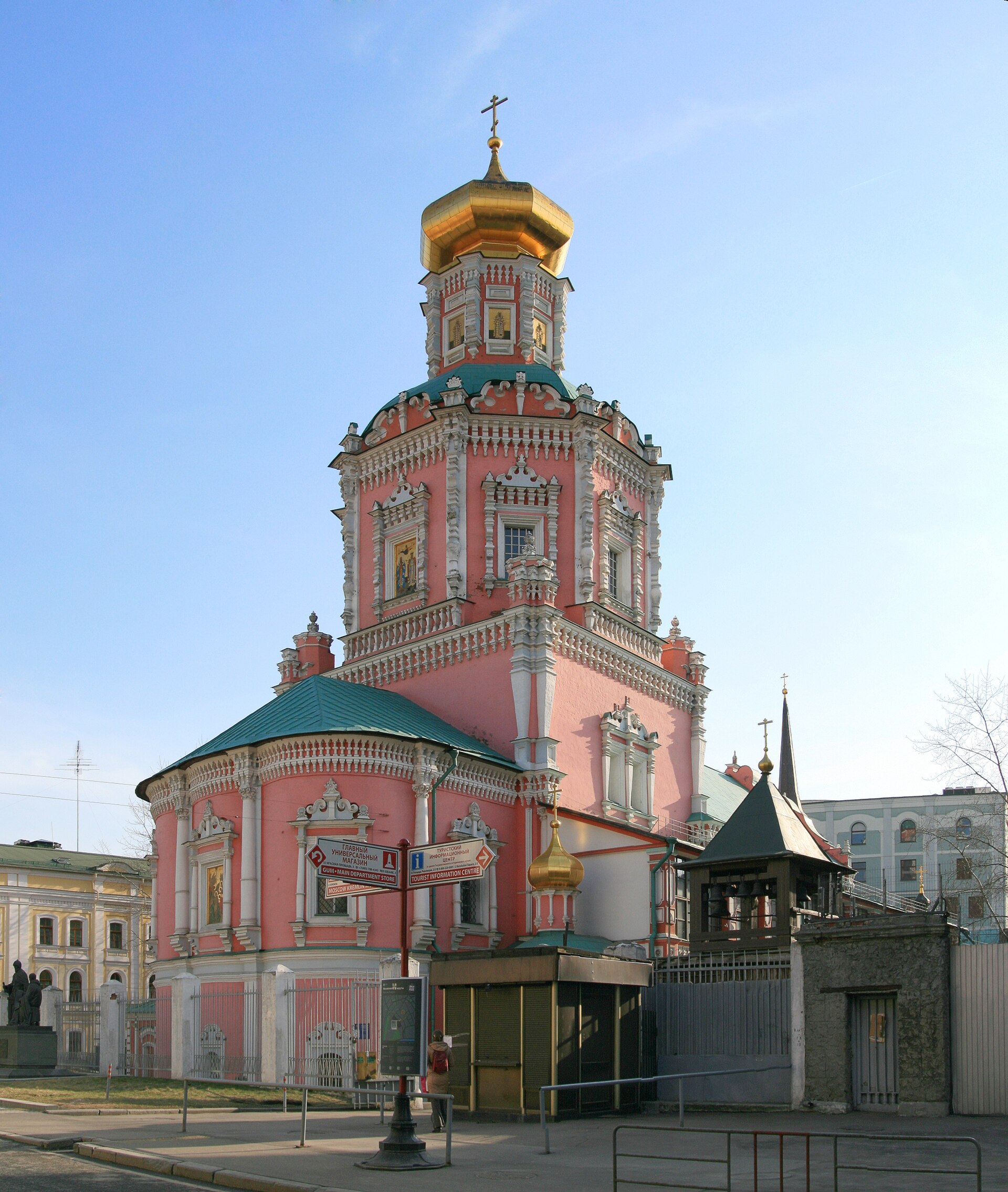
The monastery’s current appearance took shape in the 18th century, when the old wooden structures were replaced with stone buildings in the Baroque style. The Epiphany Cathedral, the heart of the complex, is a striking example of this era. Its towering vaults, sturdy columns, and intricate frescoes create a sense of grandeur, though not the kind that overwhelms. Instead, the space invites contemplation, with every detail—from the soaring arches to the carefully crafted iconostasis—carrying layers of religious symbolism. The iconostasis, in particular, is a masterpiece of Orthodox art, where tradition and craftsmanship merge seamlessly.
Beyond its religious significance, the monastery has long been a center of learning. At different points in its history, it housed schools, libraries, and even a theological seminary in the 19th century. Polotsk itself was known as a city of scholars and scribes, and the monastery played a key role in preserving knowledge. Monks copied and safeguarded ancient manuscripts, ensuring that the written word endured through turbulent times. Today, parts of the monastery serve as exhibition spaces, offering glimpses into the history of Orthodoxy in Belarus, though its primary purpose remains unchanged: it is still a place of worship and monastic life.
The monastery sits in a quiet corner of the city, its grounds offering a peaceful retreat. From here, you can see the Western Dvina River, which has been Polotsk’s lifeline for centuries. The river adds a layer of tranquility to the place—its gentle murmur, the cry of gulls, and the rustle of trees create a natural soundtrack that makes the passage of time feel even more palpable. In summer, the shade of the trees provides relief from the heat, while in winter, snow blankets the cathedral’s domes, turning the monastery into something out of a fairy tale.
One of the monastery’s most revered connections is to Euphrosyne of Polotsk, a saint deeply venerated in Belarus. According to legend, she spent her final years here, and her relics were once kept within these walls. Today, a reliquary containing a particle of her remains can be found in the cathedral, drawing pilgrims who come to pay their respects. Euphrosyne’s life—marked by devotion, charity, and resilience—continues to inspire those who visit, and her presence is still felt in the quiet corners of the monastery.
Life here follows a steady, unhurried rhythm. The sound of bells rings out over the city at dawn and dusk, calling the faithful to prayer. On weekdays, the monastery is quiet, with only the occasional footsteps of monks or visitors breaking the stillness. But on feast days, the atmosphere changes entirely. The cathedral fills with people, the air hums with hymns, and the scent of incense and candle wax lingers. The most solemn services take place during Epiphany, when believers gather to bless water, a tradition that has been observed for generations.
Despite its age, the monastery doesn’t feel frozen in time. Restoration work is ongoing, frescoes are carefully preserved, and the brotherhood occasionally hosts exhibitions and concerts of sacred music. These efforts ensure that the monastery remains more than just an open-air museum—it’s a living institution, evolving while staying true to its centuries-old traditions.
For those visiting Polotsk, the Epiphany Monastery is often a highlight, but it’s not just a place to see—it’s a place to experience. Walking through its courtyard, touching the walls that have stood for hundreds of years, or gazing at the river while imagining the merchant caravans that once passed by, you don’t just learn about history here. You feel it. The monastery doesn’t just tell stories of the past; it lets you step into them, if only for a moment.