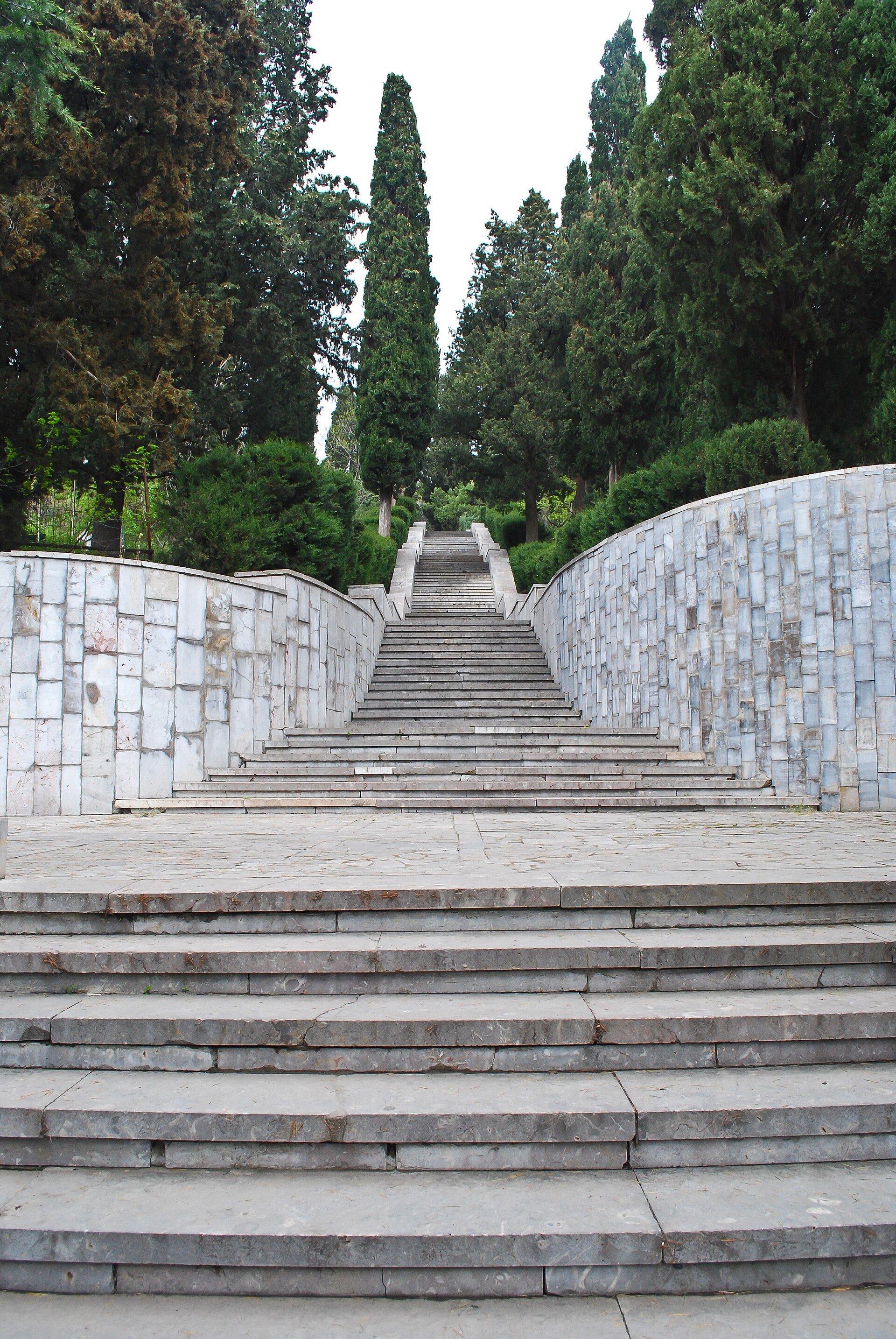
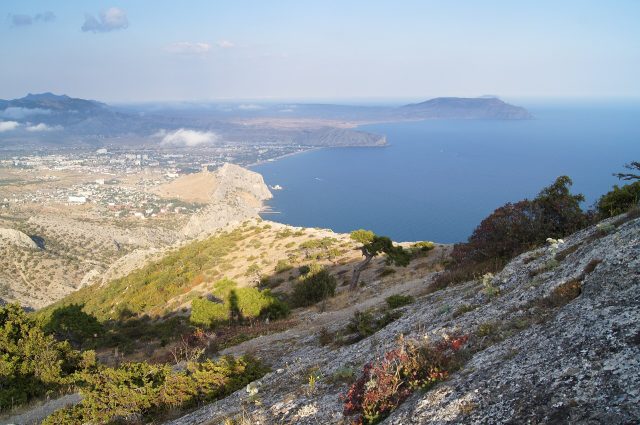
Perched on one of Yalta’s highest hills, the Polikurovsky Memorial offers more than just a sweeping view of the Black Sea coast. It’s a place where the weight of history lingers in the quiet rustle of leaves and the distant murmur of waves below. The memorial honors those who fell during the Second World War, a conflict that left deep scars on Crimea and its people. The hill itself, once dotted with vineyards and summer estates in the 19th century, became a silent witness to the war’s brutality before transforming into a site of remembrance.
The memorial’s design is unassuming yet powerful. At its heart stands a granite stele crowned with an eternal flame, its clean lines evoking the stark simplicity of wartime. Nearby, bronze plaques bear the names of the fallen, while the slope below holds mass graves. There’s no grandeur here, only a quiet dignity that makes the space feel both solemn and deeply personal. The absence of ornate details forces attention to what truly matters—the lives lost and the memories they left behind.
The idea for the memorial took shape in the years following the war. After Yalta’s liberation in 1944, soldiers who died in the fighting were buried on Polikurovsky Hill. By the 1960s, the decision was made to create a proper memorial complex, blending grief with a quiet hope for peace. The architects aimed for restraint, letting the landscape and the view speak as much as the monument itself. The hill’s elevation was no accident—its height offers a vantage point over the city and sea, as if the memories of the fallen stretch beyond the horizon.
For locals, the memorial is part of everyday life. School groups visit to learn about the past, veterans come to lay flowers, and families stroll along the paths on quiet afternoons. Tourists, too, find their way here, drawn by the view or the chance to reflect. The seasons change the atmosphere—spring brings fresh greenery, autumn paints the slopes in gold, and summer’s heat is softened by the shade of trees. Even in winter, when the wind sweeps across the hill, the flame continues to burn, a steady reminder of what endures.
The memorial’s architecture is deliberately understated. The granite, the clean angles, the lack of unnecessary decoration—all of it serves to focus the mind. There are no speeches carved into stone, no dramatic sculptures, just the names of those who never returned. The eternal flame, tended year-round, feels like a promise that their stories won’t be forgotten. Sometimes, the only sounds are the wind and the occasional footsteps of visitors, each lost in their own thoughts.
What makes Polikurovsky Memorial different from other war memorials is its lack of pomp. There’s no attempt to glorify war or impose a single narrative. Instead, it offers space for personal reflection. Some come to mourn, others to remember, and a few simply to sit on a bench and watch the sea. The hill’s history—from pre-war vineyards to wartime battleground to place of remembrance—adds layers to the experience, making it feel like a living part of Yalta rather than a static monument.
The view from the top is worth the climb. On clear days, the sea stretches endlessly, its surface shimmering under the sun. Below, the city hums with life—cafés, markets, the laughter of children—but up here, time moves differently. The memorial doesn’t demand reverence; it invites it. Whether you visit at dawn, when the light is soft, or in the evening, when the city lights begin to twinkle, the place has a way of making you pause.
If you find yourself in Yalta, this is one of those rare spots where history and beauty intersect without fanfare. There’s no need to plan a grand visit—just walk up the hill, take in the view, and let the silence do the rest. The memorial doesn’t tell you how to feel; it simply gives you the space to feel something. And sometimes, that’s enough.