
Yalta
Russia · 41 places
Photo: Wikimedia Commons, Pixabay Content License
Yalta is one of the most famous resorts in Crimea, a city where the sea meets the mountains almost right beside the waterfront. Visitors come here for the mild climate, the southern air, and the distinctive atmosphere of an old seaside resort where 19th-century palaces, Soviet-era sanatoriums, and lively summer cafés stand side by side.
The city stretches along the Black Sea coast at the foot of the Crimean Mountains. Thanks to this setting, Yalta enjoys an almost Mediterranean climate: winters are mild, while summers are long and warm. Yalta has long been considered one of the region’s main resorts. As early as the late 19th century, members of the Russian aristocracy, writers, and artists traveled here. Palaces and summer villas were built in the surrounding area, many of which still survive today.
The city’s main attraction is the Lenin Embankment. It is always busy with tourists strolling along the promenade, street musicians performing, and souvenir shops and seaside restaurants welcoming visitors. During the warm season, the waterfront remains lively even late into the evening. From here, you can see white excursion boats on the sea and the mountain slopes rising behind the city.
One of the most recognizable landmarks nearby is the Swallow’s Nest Castle. This small Neo-Gothic building stands on a steep cliff above the sea and has long become a symbol of Crimea’s southern coast. Equally famous is the Livadia Palace, the former summer residence of Nicholas II’s family. It was here, in 1945, that the Yalta Conference took place with the leaders of the USSR, the United States, and the United Kingdom.
Nature lovers usually head into the mountains. Towering above the city is Ai-Petri, one of Crimea’s most famous peaks. On clear days, it offers sweeping views of the coastline and the sea. The plateau can be reached by mountain road, and in the past one of the most popular routes was the cable car from the Mishor area. Near Yalta, visitors can also explore the Nikitsky Botanical Garden and numerous trails winding through pine forests and juniper groves.
Yalta has always been closely connected with cultural life. Anton Chekhov lived and worked here, and his house museum — the famous White Dacha — has been preserved in the city. Over the years, Bunin, Gorky, Chaliapin, and many other well-known figures spent time on the southern coast. This resort history can still be felt today in the old streets, the verandas of historic hotels, and the unhurried rhythm of evening walks by the sea.
At the same time, Yalta remains not only a tourist center but also an ordinary southern city with its markets, courtyards, and narrow streets climbing the hillsides. It is easy to notice the contrast between the grand resort areas and the calm everyday life of local residents.
The best time to visit is late spring and early autumn, when there is no intense heat and the crowds are smaller. During this period, it is especially pleasant to walk along the sea, head into the mountains, and watch the evening light gradually paint the coastline in golden shades.
The city stretches along the Black Sea coast at the foot of the Crimean Mountains. Thanks to this setting, Yalta enjoys an almost Mediterranean climate: winters are mild, while summers are long and warm. Yalta has long been considered one of the region’s main resorts. As early as the late 19th century, members of the Russian aristocracy, writers, and artists traveled here. Palaces and summer villas were built in the surrounding area, many of which still survive today.
The city’s main attraction is the Lenin Embankment. It is always busy with tourists strolling along the promenade, street musicians performing, and souvenir shops and seaside restaurants welcoming visitors. During the warm season, the waterfront remains lively even late into the evening. From here, you can see white excursion boats on the sea and the mountain slopes rising behind the city.
One of the most recognizable landmarks nearby is the Swallow’s Nest Castle. This small Neo-Gothic building stands on a steep cliff above the sea and has long become a symbol of Crimea’s southern coast. Equally famous is the Livadia Palace, the former summer residence of Nicholas II’s family. It was here, in 1945, that the Yalta Conference took place with the leaders of the USSR, the United States, and the United Kingdom.
Nature lovers usually head into the mountains. Towering above the city is Ai-Petri, one of Crimea’s most famous peaks. On clear days, it offers sweeping views of the coastline and the sea. The plateau can be reached by mountain road, and in the past one of the most popular routes was the cable car from the Mishor area. Near Yalta, visitors can also explore the Nikitsky Botanical Garden and numerous trails winding through pine forests and juniper groves.
Yalta has always been closely connected with cultural life. Anton Chekhov lived and worked here, and his house museum — the famous White Dacha — has been preserved in the city. Over the years, Bunin, Gorky, Chaliapin, and many other well-known figures spent time on the southern coast. This resort history can still be felt today in the old streets, the verandas of historic hotels, and the unhurried rhythm of evening walks by the sea.
At the same time, Yalta remains not only a tourist center but also an ordinary southern city with its markets, courtyards, and narrow streets climbing the hillsides. It is easy to notice the contrast between the grand resort areas and the calm everyday life of local residents.
The best time to visit is late spring and early autumn, when there is no intense heat and the crowds are smaller. During this period, it is especially pleasant to walk along the sea, head into the mountains, and watch the evening light gradually paint the coastline in golden shades.
See & Do
41 places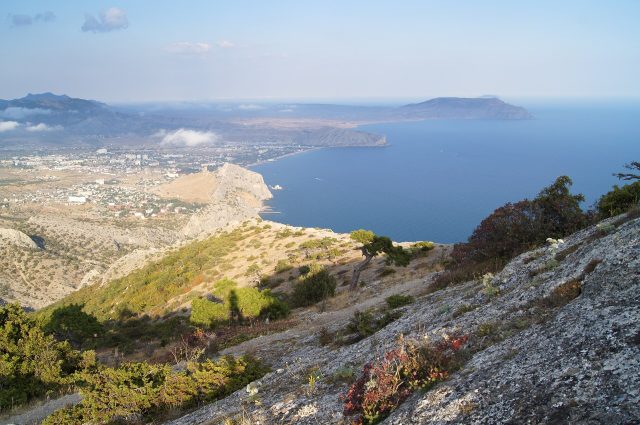


Places on the map
Marker colour follows the categoryClimate and weather
Detailed weather: Yalta- Average temperature
- 13 °C
- Precipitation per year
- 526 mm
- Sunshine hours per day
- 7.4 h
Average air temperature
°C
2
3
6
11
16
21
24
24
19
13
8
4
Jan
Feb
Mar
Apr
May
Jun
Jul
Aug
Sep
Oct
Nov
Dec


