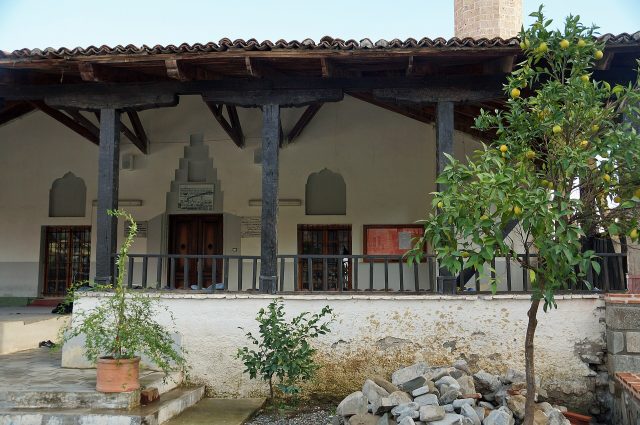
Liberty Square in Elbasan is the kind of place where the city reveals itself slowly, without the fanfare of tourist hotspots. It doesn’t have the grand, polished charm of Europe’s famous central squares, where every cobblestone seems to whisper history. Instead, the past here lingers in the uneven pavement, the peeling plaster of old houses, and the shade of trees where elderly locals gather for games of dominoes. The square moves at its own unhurried pace, and that’s what makes it worth lingering in.
Elbasan has deep roots, and Liberty Square sits at its core, where ancient trade routes once bustled with life. During Ottoman times, this area was the heart of the city’s activity—caravanserais, bathhouses, mosques, and artisan workshops lined the streets. The square itself took shape later, in the early 20th century, when Albania began modernizing and Elbasan started to adopt a more European look. Neoclassical buildings appeared, their stone facades still setting the tone for the surrounding architecture. The Ottoman era left fewer traces, erased by time and redevelopment, but if you look closely, you might spot fragments of old arches or carved stone embedded in newer walls.
The architecture around the square is a patchwork of eras and styles, not always harmonious but honest in its reflection of the city’s history. Two- and three-story buildings with tall windows and wrought-iron balconies stand beside later constructions from the socialist era—plain, functional, and unadorned. At the center of the square, a modest fountain surrounded by flowerbeds offers a quiet spot to rest. In summer, the cool water draws both locals and the occasional visitor. Nearby, children kick balls around while teenagers sit on the fountain’s edge, scrolling through their phones. Small cafes and shops line the square, selling everything from fresh bread to inexpensive clothes. There’s nothing flashy here—just everyday life, unfiltered.
One of the square’s most distinctive buildings is the former municipality, constructed in the 1930s. Its facade features columns and decorative plasterwork, and above the entrance, an old Albanian inscription remains. Today, the building houses city offices, but it’s still one of Elbasan’s most recognizable landmarks. Nearby, a simple bust of a national hero stands on a low pedestal, sometimes adorned with flowers. On holidays, the square transforms—stages are set up for concerts, flags are hung, and strings of lights illuminate the evenings. Yet even then, the atmosphere stays relaxed. People stroll, chat, and sip coffee at outdoor tables, all without pretension.
Liberty Square isn’t the kind of place people visit for grand views or historical revelations. It’s more interesting to those who want to see how an ordinary Albanian city lives, untouched by mass tourism. There are no crowds of sightseers, no loud announcements, no souvenir shops selling fridge magnets. Instead, there’s the rhythm of real life: the scent of fresh bread from a nearby bakery, the murmur of conversations in cafes, the hum of old cars navigating narrow streets. In the evenings, when the heat subsides, the square fills with people—some returning from work, others walking dogs, and groups of young people gathering by the fountain to talk or listen to music.
Elbasan rarely appears on tourist itineraries, and that’s probably for the best. The city retains its authenticity, unconcerned with meeting visitors’ expectations. Liberty Square is the perfect place to soak in that atmosphere. You can sit on a bench with a coffee, watch locals go about their day, browse a small bookshop on the corner, or wander the nearby streets, where every turn reveals something new. Just a short walk away, the old quarter begins, with its narrow cobbled lanes, wooden balconies, and hidden courtyards. Time moves even slower there, as if the city is holding its breath.
Even on the square itself, traces of the past remain for those who know where to look. On one building, a plaque with Ottoman script survives—a rarity in Elbasan, where much of the historical fabric was lost during the cultural revolution. Some houses have unusual window grilles shaped like stars or crescents, echoes of the strong Muslim influence that once defined the city. Today, few mosques remain, but these small details keep the memory alive.
Liberty Square isn’t just about history; it’s also about Albania’s present. You can see how the country is changing while staying true to itself. In recent years, Elbasan has seen more cafes and restaurants open, and festivals are becoming more frequent. But the city isn’t in a rush to keep up with trends. It evolves at its own pace, and the square remains its quiet, unassuming center. It doesn’t demand attention, and that’s precisely why it’s so compelling. Here, you can simply exist, without worrying about impressing anyone or living up to expectations. Maybe that’s the real reason it feels so special.