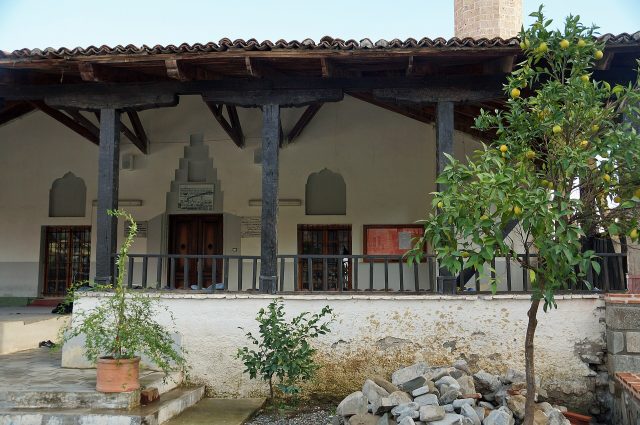
Elbasan Fortress is one of those rare places where history isn’t just preserved in stone—it feels alive, breathing alongside the city itself. Perched on a hill in the heart of Elbasan, it overlooks the narrow streets and tiled roofs below, a silent witness to centuries of change. The walls have seen empires rise and fall, wars and uneasy peace, yet they still carry the weight of the past in a way that makes the fortress more than just ruins. It’s a place where the layers of time are tangible, where every weathered block seems to hold a story.
Built in the 15th century under the orders of Ottoman Sultan Mehmed II, the fortress was a strategic stronghold on the route from the Adriatic into the Balkans. The Ottomans transformed Elbasan into a vital military and trading hub, and the fortress became its core. With walls up to three meters thick and fourteen towers, it was designed to withstand sieges and raids. Over time, its purpose shifted, and today, only fragments of its former grandeur remain. Yet even these remnants—massive, weathered, and unyielding—hint at the power it once commanded.
The architecture reflects the Ottoman military style of the era. The walls are constructed from large stone blocks, and the towers are rounded, a design choice that better absorbed the impact of cannon fire. Inside, the fortress once housed barracks, storage rooms, and a mosque, though little more than foundations survive. The most striking feature is the southern gate, adorned with intricate stone carvings. Passing through it feels like stepping into another era, where the pace of life slows and the past lingers in the air.
Elbasan Fortress is deeply intertwined with the city’s history. In the 16th century, it housed a mint, and later, it became the residence of the Ottoman governor. The city thrived as a crossroads for trade, with caravans moving goods between Europe and Asia. The fortress wasn’t just a defensive structure; it was a symbol of authority, shaping the life of the city around it. Even after Ottoman rule waned, Elbasan remained a cultural and economic center, and the fortress stood as a reminder of its enduring significance.
Today, the fortress isn’t a museum—it’s a living part of the city. Locals come here to walk, children play among the ruins, and elderly residents sit on benches, watching the sunset. The remains of old buildings are still visible, but the real draw is the atmosphere. There’s a sense that if you listen closely, you might hear the echo of guards’ footsteps, the clink of coins in long-gone shops, or the murmur of merchants in the bazaar that once bustled at the foot of the hill.
Visiting during one of Elbasan’s festivals offers a different perspective. In August, the fortress hosts a folk culture festival, where musicians and dancers perform on makeshift stages, and the scent of traditional Albanian food fills the air. On these days, the fortress feels alive in a new way, a reminder that history isn’t just something that happened—it’s something that continues, shaped by the people who keep its spirit alive.
Unlike more famous landmarks in Albania, Elbasan Fortress has a quiet charm. There are no crowds, no souvenir stalls, no guides rushing you along. Just the wind whispering through the stones and the sense that you’ve stumbled upon something authentic. You can spend hours wandering the perimeter, climbing the towers, and gazing out over the city, trying to imagine what it looked like centuries ago.
This fortress isn’t just an architectural relic—it’s a place where the past and present intersect. It serves as a reminder that cities outlast empires, and that stones hold the memories of the people who once lived, loved, and fought here. If you find yourself in Elbasan, take the time to climb the hill and touch this history. It’s here, in these quiet corners, that you’ll find the real Albania—not the one in guidebooks, but the one that exists in the spaces where time moves at its own pace.