Elbasan’s bazaar is one of those rare places where time seems to slow down, where the rhythm of city life takes on a different pace. Tucked into the heart of the old town, it isn’t just a marketplace—it’s a living organism where history, culture, and daily life intertwine. There’s no rush here, no crowds of tourists, just an authenticity that feels far removed from the polished shopping districts of modern cities. This is where you can sense the real pulse of Albania, the one that exists beyond guidebooks and glossy photographs.
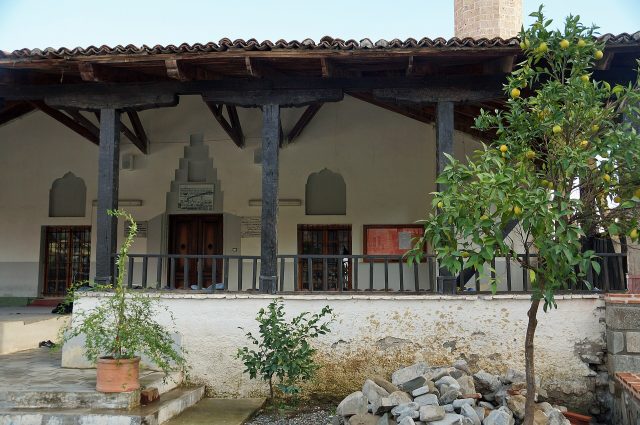
The architecture of the bazaar tells the layered story of Elbasan itself. Founded in the 16th century under Ottoman rule, the city was once a vital trading hub connecting the Adriatic coast with the Balkan interior. The bazaar, which took shape during the same era, still bears the hallmarks of Ottoman urban design: narrow cobblestone streets, low two-story buildings with wooden awnings shading small shops and workshops. Many facades feature intricately carved balconies and latticework, and in some corners, you might still spot faded Arabic script on old signs. Walking through these streets feels like stepping back in time, to an era when Elbasan was part of a vast empire.
Today, the bazaar remains a place where trade happens much as it has for centuries. There are no supermarkets or chain stores here—just small stalls selling everything from fresh produce to spices, cheeses, and olive oil. Artisan workshops are a highlight, where craftsmen still work using traditional methods. Leatherworkers, blacksmiths, and potters create their goods on the spot, and you can watch the process unfold before buying something handmade, whether it’s a wrought-iron candlestick or a hand-painted clay jug. The pace is unhurried, with conversations and even cups of coffee often part of the transaction.
One of the bazaar’s biggest draws is its traditional Albanian sweets. Small confectioneries prepare baklava, halva, tulumba, and other treats using recipes passed down through generations. The scent of vanilla, honey, and roasted nuts lingers in the air, drawing in passersby. Walnut and syrup-drenched pastries are especially popular, often served alongside strong Turkish coffee. The coffeehouses here are something else entirely—tiny, unassuming spots, often without signs, but always packed with locals catching up on news or taking a break from the day.
More than just a marketplace, the bazaar is the social heart of Elbasan. Neighbors meet here to chat, exchange stories, or debate politics. Under the shade of trees or the shelter of awnings, you’ll often find elderly men playing backgammon or dominoes, while children dart between stalls, helping their parents or simply playing. The atmosphere is warm and familiar, and even a stranger can feel like part of the community if they linger long enough.
Though Elbasan isn’t one of Albania’s top tourist destinations, the bazaar attracts those seeking something genuine. There are no crowds, just the chance to see how locals live—and maybe even join in. You can buy spices by the scoop, commission a tailor to make a piece of clothing, or simply sit in a café, listening to conversations in Albanian while watching the day unfold at its own pace. Time moves differently here, and there’s no need to rush.
Over the years, the bazaar has evolved, but its essence remains unchanged. Some shops close, others open, and new goods appear, but the core of what makes it special stays the same. People still come here for the things they need every day—food, clothes, household items. While modern stores outside the old town offer more convenience, many in Elbasan still prefer the bazaar. Perhaps because it’s more than just a place to shop; it’s a living tradition, passed down through generations.
Visiting the bazaar isn’t like going on a tour. There’s no schedule, no strict rules, just the freedom to wander, peek into shops, and talk to people. You might spend an hour here or an entire day, watching as the atmosphere shifts from the morning bustle to the quiet of evening. The bazaar has a life of its own, and anyone who visits becomes part of it, even if only for a little while. This is where Albania reveals itself not as a dot on a map, but as a place where past and present coexist in the most ordinary, yet extraordinary, ways.