St. George’s Square in Ħal Qormi, or simply Qormi as it’s often called, is one of those places where Malta’s layered history feels almost tangible. Tucked away in the island’s southeastern corner, Qormi doesn’t draw the same crowds as Valletta or Mdina, and that’s precisely what makes it special. This is Malta without the postcards—where life moves at its own unhurried pace, and the past isn’t just preserved in museums but woven into the fabric of everyday existence.
The square itself is small, but its significance to the people of Qormi is immense. For centuries, it has been the heart of the town’s social life, a stage for festivals, markets, and the quiet rituals of daily life. In the evenings, neighbors gather here over coffee, their conversations blending with the clatter of chairs and the occasional laughter of children. At its center stands a statue of St. George, Qormi’s patron saint, erected in gratitude after the town survived the plague in the 17th century. The figure of the saint trampling the dragon isn’t just a religious symbol; it’s a reminder of the resilience that has defined this place through wars, epidemics, and the slow march of time.
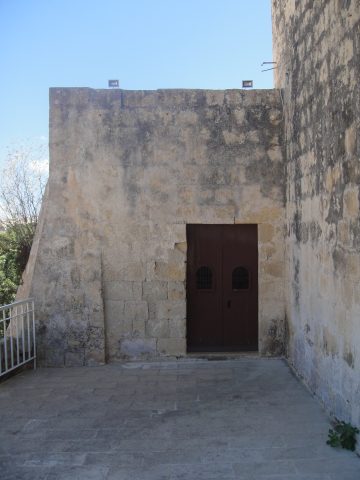
The buildings around the square are classic Maltese village architecture—low, sun-bleached structures made of local limestone, their wooden balconies and carved doorways worn smooth by generations of use. Many date back to the Middle Ages, though they’ve been repaired and altered over the years. The most striking of them is the nearby Church of St. George, its Baroque facade adorned with columns and intricate stucco work. Inside, the church is a quiet sanctuary of flickering candles and faded frescoes, a place where the devotion of Qormi’s residents is still palpable.
Qormi’s history is deeply tied to the Knights Hospitaller, who ruled Malta from the 16th to the 18th century. The knights fortified the town, building defenses against pirate raids and Ottoman incursions. While little of those fortifications remains today, the layout of the streets and squares still hints at their strategic thinking. St. George’s Square likely served as a gathering point during times of danger, a place where the townspeople could rally when alarms sounded. Even now, the square’s open space feels like a natural meeting ground, a legacy of its past.
Today, the square is both a historical landmark and a living part of the town. Small cafés and shops line its edges, offering a taste of traditional Maltese food—rabbit stew, fresh seafood, or pastizzi, the flaky, ricotta-filled pastries that are a national obsession. In the summer, the square comes alive with music and festivals, drawing locals and a few curious visitors. In winter, it takes on a quieter charm, the soft glow of streetlights reflecting off the limestone walls, the air scented with citrus from nearby gardens.
For those who want to experience Malta beyond the usual tourist trail, St. George’s Square is a perfect starting point. There are no crowds here, no guided tours rushing you along, just the unfiltered rhythm of Maltese life. You can sit on a bench and watch children play, or wander down the narrow streets that branch off from the square, stumbling upon hidden chapels, sunlit courtyards, and the workshops of local craftsmen. It’s a place where the past isn’t just remembered—it’s still being lived.
Qormi and its square also serve as a reminder of how important such places are in a world that’s constantly changing. In an era of globalization, where cities often feel interchangeable, St. George’s Square offers something rare: a sense of continuity. The stones underfoot, the cracks in the walls, the way the light falls on the church facade at dusk—all of it tells a story. And if you listen closely, you might just hear it.
That’s why the square remains so cherished by the people of Qormi. It’s not just a public space; it’s the soul of the town. Here, history isn’t something you read about in a book—it’s something you feel in the warmth of the sun on the limestone, in the laughter of old friends meeting by the statue, in the quiet hum of life that has carried on, uninterrupted, for centuries.