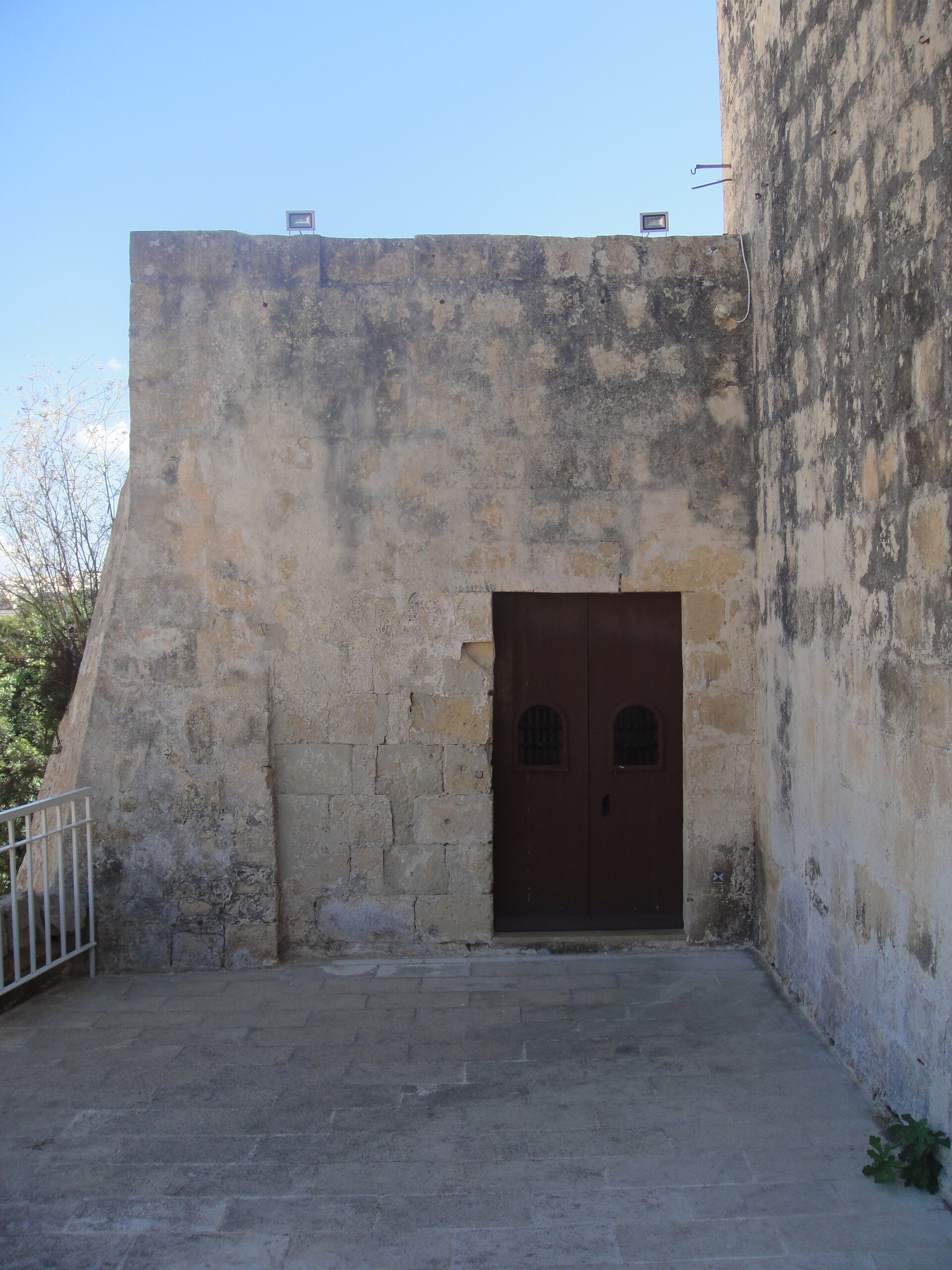
St. Matthew’s Church in Kalkara is one of those quiet corners of Malta where the past lingers in the stillness of old stone and the grace of tradition. Tucked away in the heart of this small town, it stands on a modest square, surrounded by low houses with their characteristic wooden balconies, their weathered wood and peeling paint telling stories of generations. Unlike the grand churches of Valletta or Mdina, this one is understated. There’s no excess here—just a sense of quiet devotion, as if faith has always been a private matter, something felt rather than displayed.
The church’s origins stretch back to the late 16th century, a time when Malta was still recovering from the Ottoman siege and carving out its identity under the Knights Hospitaller. The first written record of St. Matthew’s dates to 1575, though an earlier chapel likely stood on this spot before. Back then, Kalkara was little more than a cluster of fishermen’s huts and farmsteads, and the church served as both a spiritual anchor and a communal gathering place. In the 17th century, it was rebuilt into the form we see today—a simple, single-naved structure with a plain facade, marked only by a modest doorway and a small circular window above it, letting in light to soften the shadows inside.
The architecture is typical of Malta’s rural churches from that era: a single nave with a flat ceiling supported by arches, leading to a shallow apse where the altar stands. The interior is uncluttered. The walls are adorned with faded frescoes in soft pastels, depicting scenes from the life of St. Matthew, their details worn by time. The wooden pews, dark with age, creak underfoot, and the old candelabras cast a warm glow. The altar itself is made from local globigerina limestone, a stone so characteristic of Malta that it seems to hold the warmth of the island in its golden hue. It’s soft to the touch and gives the space an intimacy that grander churches often lack.
Over the centuries, St. Matthew’s has been more than just a place of worship. During plagues and wars, it became a refuge, a storehouse for food, and even a makeshift hospital. In the 19th century, when Malta fell under British rule, the church remained one of the few places where Maltese culture and faith could endure without interference. During World War II, when the island was bombed, the building escaped serious damage—a fact that locals still speak of with quiet reverence. The church stood untouched while much of the surrounding area was reduced to rubble.
Today, St. Matthew’s is still an active parish, though services are less frequent than in the island’s larger churches. It hasn’t become a relic; it’s a living piece of history, drawing not just the faithful but anyone who wants to step away from the noise of modern life. Inside, the air is always cool, even in summer, and the silence is broken only by the occasional rustle of a prayer book or the distant echo of footsteps. The doors are often left open, inviting passersby to escape the Mediterranean sun for a moment of quiet.
Kalkara itself is one of those Maltese towns that rarely makes it onto tourist itineraries. There are no crowds here, no souvenir stalls or overpriced cafes—just the slow rhythm of local life. The square outside is peaceful, interrupted only by the tolling of the church bell or the cry of gulls overhead. Wander the narrow streets nearby, and you’ll find old houses with carved doors, their wood bleached by the sun, or small shops selling honey, spices, and pastries that Maltese bakers have perfected over generations.
What makes St. Matthew’s more than just a historical monument is the way it remains woven into everyday life. On feast days, particularly the feast of St. Matthew in September, the church comes alive with candlelight, the scent of incense, and the sound of hymns sung in Maltese. People from Kalkara and the surrounding villages gather here, filling the space with warmth and shared history. On ordinary days, it stands quietly, its presence a steadying force in a world that moves too fast. It doesn’t demand attention; it simply waits, offering a moment of reflection to anyone who pauses.
There’s something deeply human about this place. It’s not grand or imposing, but it feels real. The worn steps, the slightly uneven floor, the way the light filters through the small window—all of it speaks of lives lived, of prayers whispered, of a community that has endured. In a country where history is often overshadowed by spectacle, St. Matthew’s Church is a reminder that some of the most meaningful places are the ones that don’t try to impress. They just are. And in their quiet way, they tell the truest stories of all.