Santo Domingo Square in Colón is one of those rare places where history isn’t just preserved—it lingers, breathing through the cracks of time in its own quiet way. Tucked in the heart of the old city, it was once the pulsing core of a bustling port district, where sailors, merchants, and fortune-seekers filled the streets with noise and movement. Now, the pace has slowed, leaving behind a patchwork of faded grandeur and forgotten stories. The worn facades of buildings, the cobblestone streets that still echo with the footsteps of long-gone travelers, and the air itself—thick with the layers of colonial traditions, African rhythms, and the everyday life of modern Panama—all carry the weight of what once was.
The square takes its name from the Santo Domingo monastery and church, founded by Dominican friars in the 17th century. Back then, Colón wasn’t just another port town; it was a vital outpost on the trade route between the Atlantic and Pacific, a crossroads where goods and people from across the world converged. The monastery wasn’t just a spiritual hub—it was where deals were struck, disputes settled, and even fugitives found refuge. Today, only ruins remain, but they draw the eye not because of their former splendor, but because of the quiet resilience in every stone that has weathered centuries. There’s a sense of endurance here, a reminder that some places outlast the empires that built them.
The square itself is small, and that’s part of its charm. Its modest size makes it feel intimate, almost like stepping into someone’s private courtyard, where every corner holds a story. At its center stands a statue of Christopher Columbus—unassuming, almost understated, much like the city itself. Colón, after all, was named in his honor, though the explorer never set foot here. The city came later, when Panama became the linchpin of trade between continents, and Colón emerged as the gateway through which gold, silver, and other riches flowed from South America to Europe. The statue isn’t grand or imposing; it’s just there, a quiet nod to the city’s origins.
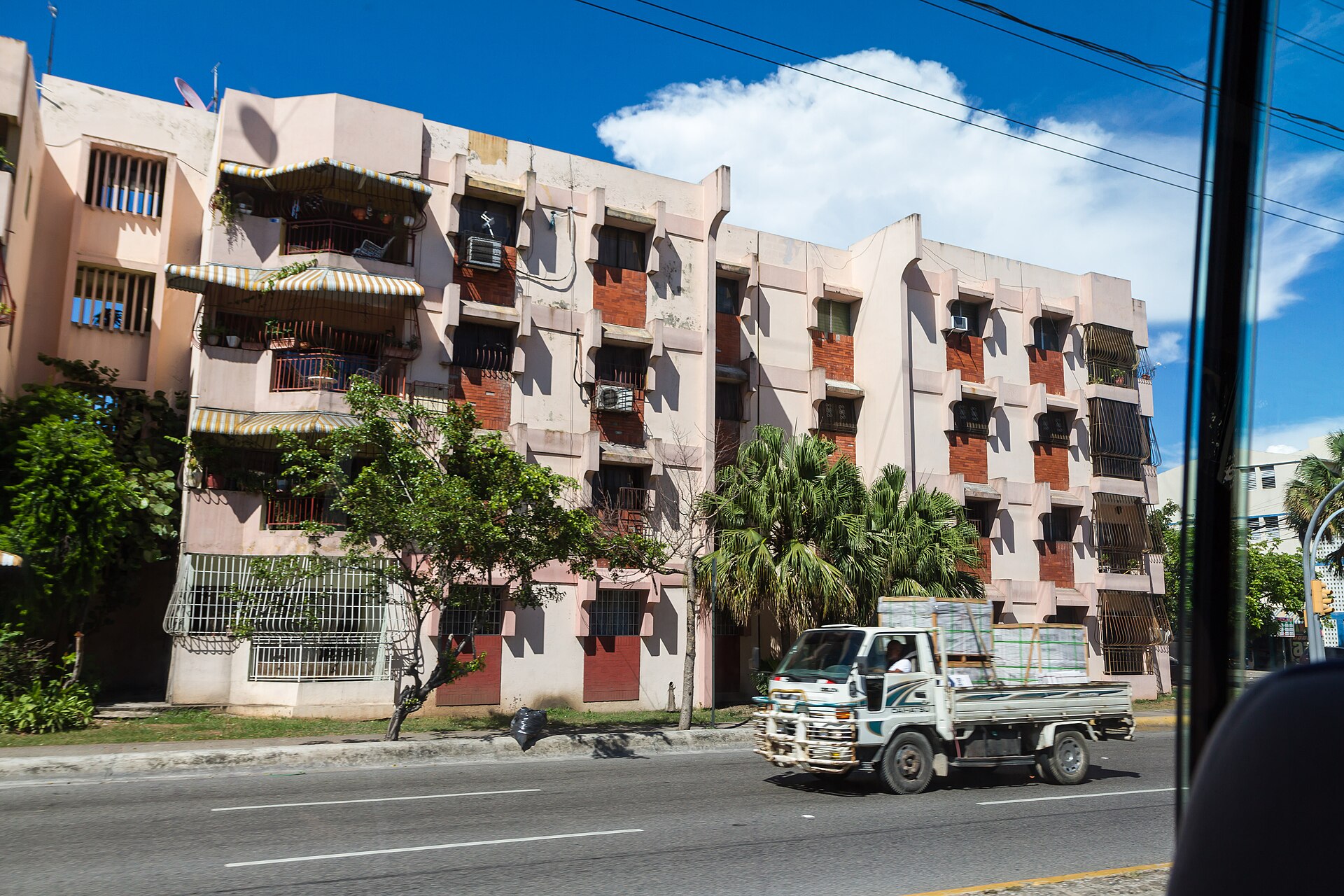
The architecture surrounding the square is a mix of styles and eras, each layer telling a different chapter of Colón’s past. You’ll find wooden-balconied houses from the 19th century, built during the city’s boom years when the Panama Railroad turned Colón into a magnet for workers, adventurers, and entrepreneurs. The streets buzzed with energy then, filled with the clatter of commerce and the hum of a city on the rise. Later, the opening of the Panama Canal only amplified Colón’s importance, but it also brought new challenges—overcrowding, poverty, the stark contrast between wealth and hardship. All of this is etched into the city’s face, and Santo Domingo Square is no exception. The buildings here aren’t polished or restored; they’re lived-in, bearing the marks of time and the weight of history.
Today, the square isn’t so much a tourist attraction as it is a living part of the city. Locals gather here in the mornings—old men playing dominoes, children kicking a ball, vendors setting up makeshift stalls with fruits, spices, and cheap trinkets. On weekends, the atmosphere shifts slightly: street musicians appear, dancers perform, and sometimes small fairs pop up. There are no crowds like in Panama City, no guided tours or souvenir shops. What you’ll find instead is something far more genuine. You could sit on a bench for hours, watching the rhythm of daily life unfold, and lose track of time without even realizing it.
What makes Santo Domingo Square particularly interesting is how it reflects Colón’s cultural melting pot. The city has always been a destination for immigrants—Caribbean laborers who came to build the railroad and canal, Chinese and Indian merchants, European settlers. Each wave left its mark, and you can still feel it in the food, the music, the way people talk. Spanish here carries a Caribbean lilt, and you might catch snippets of Creole, English, or even Chinese in the air. It’s a place where identities blur, where the past and present coexist in a way that feels both natural and unexpected.
Despite its slightly worn appearance, the square has a certain allure. It’s not a museum piece or a carefully curated historic site; it’s a living, breathing space that continues to evolve, even if slowly. In recent years, there have been efforts to revive Colón’s charm—restoring old buildings, hosting cultural events, trying to draw in visitors. But for now, those changes are subtle, and Santo Domingo Square remains a place where time seems to stand still. It’s a spot where you can still catch the spirit of old Colón, a city that was once wealthy and influential but never quite recovered from the blows of fate.
If you find yourself in Colón, don’t rush straight to the Panama Canal or the beaches. Take a moment to stop at Santo Domingo Square. Sit on a bench, watch the world go by, and let the place reveal itself to you. You might not see anything extraordinary—just ordinary people going about their day, ordinary buildings with peeling paint, an ordinary afternoon. But that’s where the magic lies. There’s no pretense here, no tourist traps or staged performances, just life in all its messy, beautiful reality. And in a world where so much is polished and packaged for visitors, that authenticity is something rare. It’s what makes Colón—and this little square—worth lingering over.