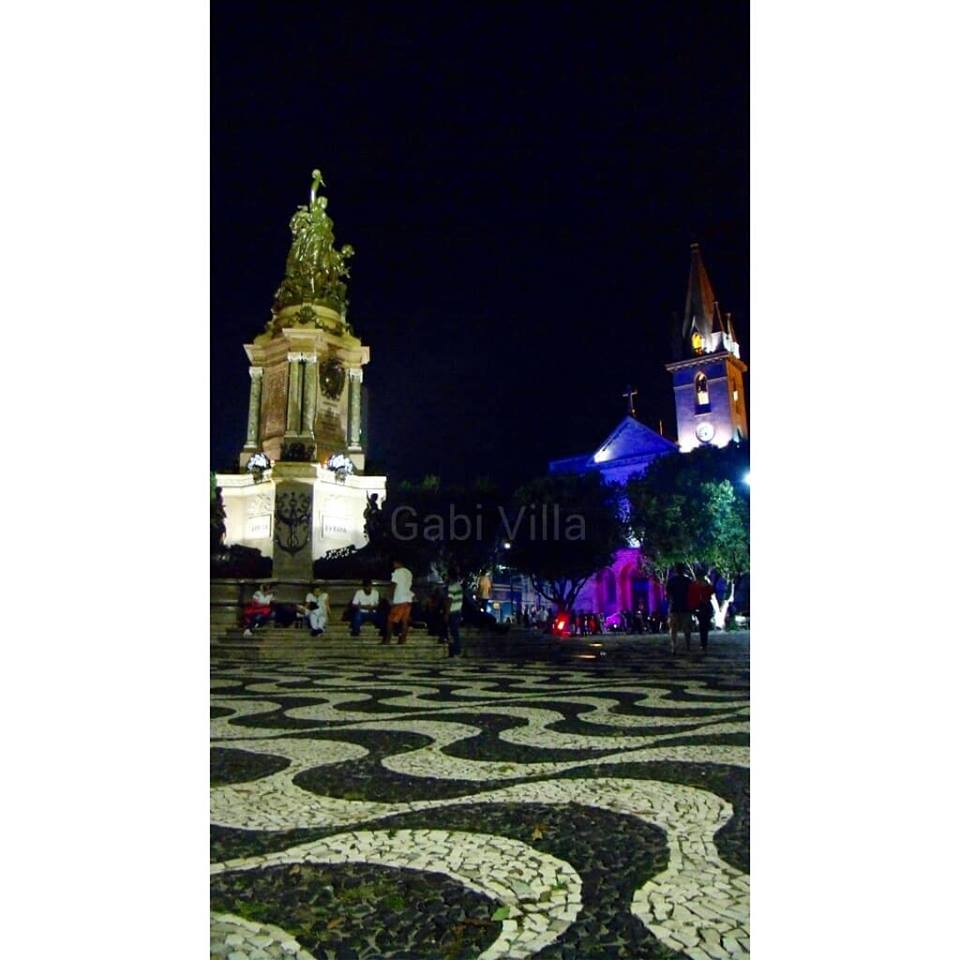
San Sebastián Square in Manaus is one of those places where the city reveals itself slowly, without the usual tourist rush or fanfare. Tucked away in the heart of the historic center, it sits where the bustling life of a once-thriving port city once unfolded, back when fortunes were made during the rubber boom. Today, the square still carries the weight of that era—the weathered facades of old mansions, cobblestone streets, and the shade of towering trees that make it easy to imagine ladies in crinolines and gentlemen in bowlers strolling here a century ago.
The architecture here is a blend of European influence and local character. The Church of San Sebastián, built in the late 19th century, stands as the square’s quiet centerpiece. It’s modest in appearance, yet there’s something about it that feels larger than just a place of worship. The church seems to hold the spirit of a time when Manaus was one of the wealthiest cities in the world. Around it, the old buildings—many once owned by rubber barons—still bear the marks of their former grandeur. Their facades, adorned with stucco and wrought-iron balconies, are worn in places, but that only adds to their charm. Everything here speaks of past splendor, of how quickly wealth can fade, only to be followed by quiet, almost unnoticed revival.
The square hasn’t always been this peaceful. In the early 20th century, as the rubber boom waned, Manaus fell into decline. Many buildings were left to decay, and San Sebastián Square was no exception. For decades, it remained a forgotten corner of the city until restoration efforts began in the 1980s. Now, it feels like a small island of the past in modern Manaus, where time moves at its own unhurried pace. There are no crowds of tourists, no pushy vendors—just the quiet rustle of leaves and the occasional murmur of passersby.
The best time to visit is early morning, when the sun is still gentle and the shadows stretch long and cool across the square. At this hour, the space belongs to locals—some hurrying to work, others walking their dogs, a few simply sitting on benches with a cup of coffee. Evenings bring a different mood, with streetlights casting soft glows on the old walls. On weekends, the square sometimes hosts small concerts or open-air exhibitions, drawing people who come to listen to music or just enjoy each other’s company.
Despite its historical significance, San Sebastián Square never became a museum piece. It’s alive, and that’s what makes it special. There are no strict rules here, no signs telling you what you can or can’t do. You can sit on the church steps, wander the cobblestones, or just stand and listen to the city breathe. For those used to crowded tourist spots, it might feel too ordinary. But that’s exactly where its charm lies.
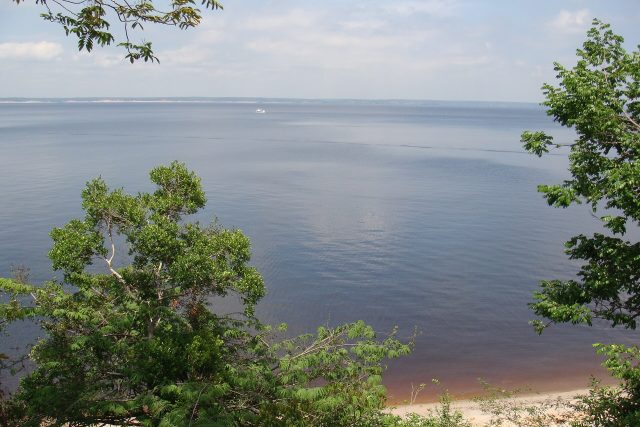
This square isn’t just about Manaus’s past—it’s also about its present. It serves as a reminder that the city wasn’t always a metropolis of skyscrapers and shopping malls. Once, it was a small port on the Amazon, where life moved slowly and wealth was measured not in square meters but in shipments of rubber sent to Europe. Things have changed since then, but the square remains a place where you can touch history without reading plaques or following a guide.
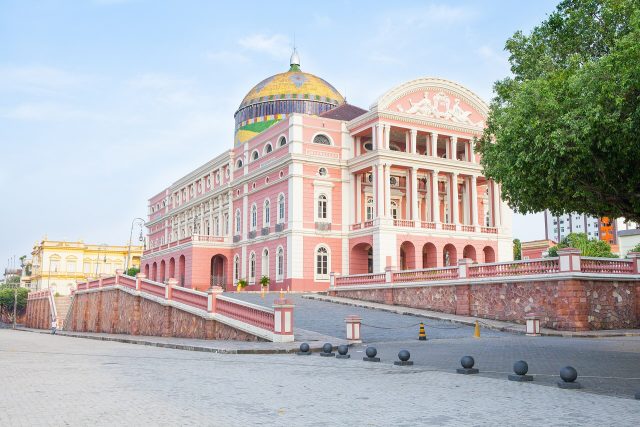
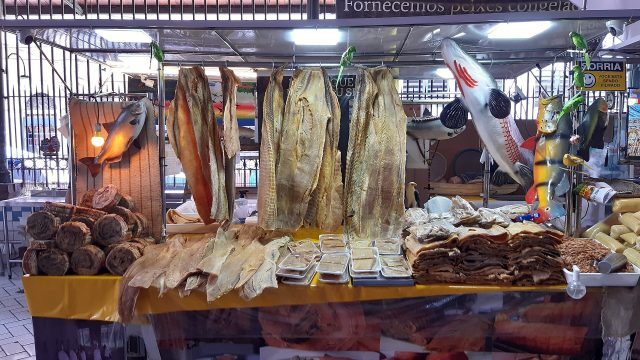
If you find yourself in Manaus, don’t rush straight to the opera house or the market. Take a moment to wander through San Sebastián Square first. Sit on a bench, look at the old buildings, listen to the sounds of the city. Maybe here, away from the usual tourist paths, you’ll catch a glimpse of the real Manaus—the one that lives on its own terms, unconcerned with impressing visitors. And if you do, you might just want to come back, if only to make sure this place is still here, waiting for those who are willing to see it as it truly is.