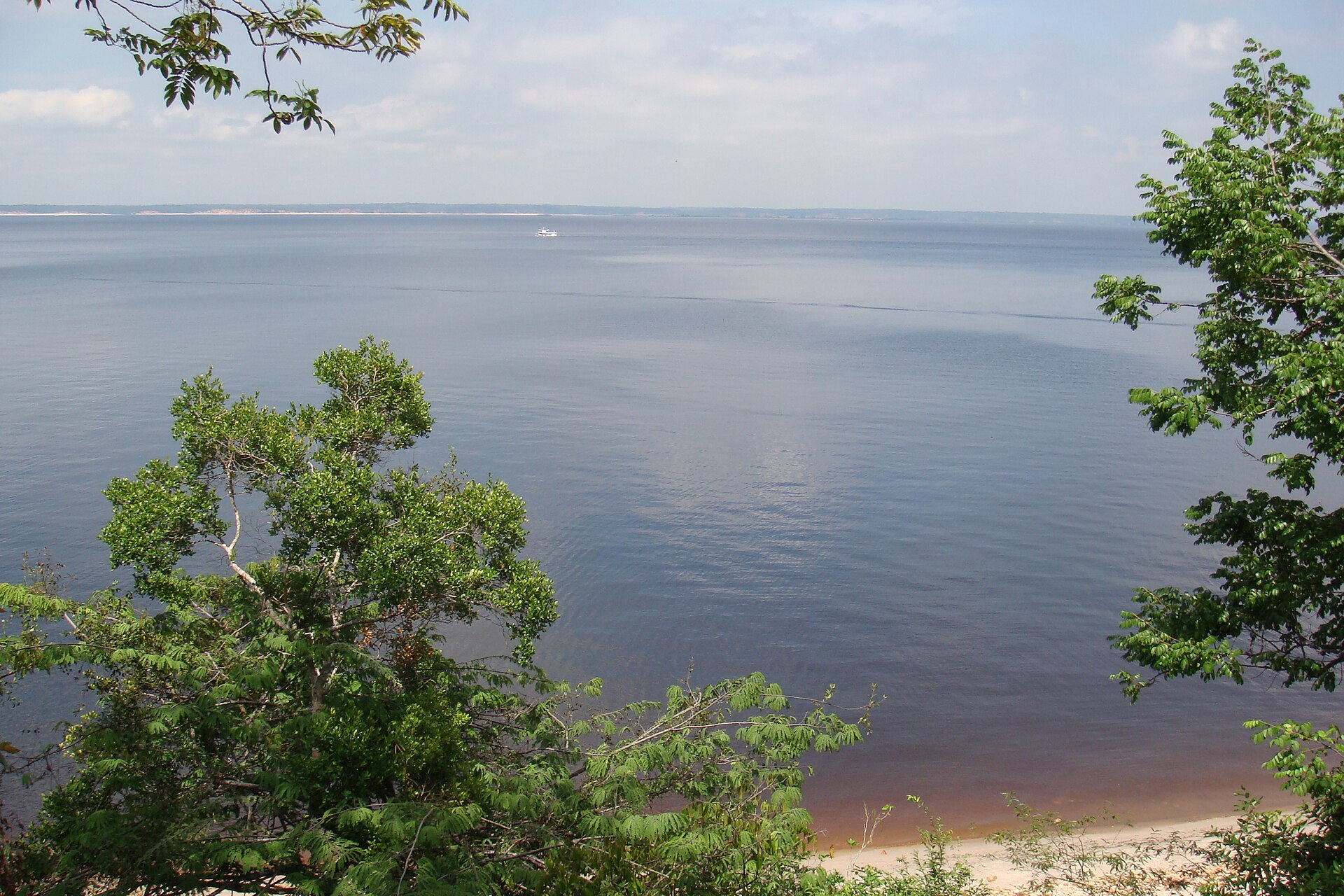
Ponta Negra Park sits where the Rio Negro widens into something vast, its dark waters stretching toward a horizon that seems to dissolve into the sky. This isn’t the Manaus of crowded streets and hurried footsteps. Here, the city slows down, giving way to open space, the rustle of leaves, and the quiet lap of waves against the sand.
Mornings belong to runners tracing the waterfront paths, their breath steady against the humid air. By midday, families spread out on the grass, unpacking coolers of food while children chase each other in the shade. Evenings are quieter—just the occasional murmur of conversation from a bench, the occasional ripple of a passing boat. The park doesn’t demand attention; it simply offers a place to be.
The land wasn’t always this peaceful. In the early 1900s, these riverbanks hummed with the energy of the rubber boom, a time when fortunes were made and lost on the whims of global demand. When the industry collapsed, the area fell into neglect, its potential forgotten until the 1990s, when the city reclaimed it. Workers shaped the shoreline, reinforcing it against erosion, and laid out winding paths that followed the river’s natural curves. The amphitheater came later, a stage for the city’s stories to unfold under the open sky.
That stage is rarely empty. During the dry season, when the air is clear and the heat less oppressive, the amphitheater hosts concerts, festivals, and plays. Sometimes the performances are announced, sometimes they’re not—just a guitarist setting up near the water or a group of dancers practicing their steps. On weekends, artisans set up stalls, selling jewelry made from jungle seeds, hand-painted ceramics, and woven baskets. The atmosphere is unhurried, the kind where you might buy a bracelet not because you need one, but because the person who made it is sitting right there, telling you about the tree it came from.
The real architecture of Ponta Negra isn’t in bricks or concrete, but in the way the park frames the river. The promenade curves gently, its wooden walkways leading to small platforms where the view opens up—water, sky, the distant silhouette of the city. At sunset, the light softens, turning the river into a sheet of copper and rose. Later, the lamps along the path flicker on, their glow reflected in the dark water. It’s a place where you can watch the day end without saying a word.
The river dictates the rhythm here. In the rainy season, it swells, swallowing parts of the promenade, reminding everyone that nature isn’t just scenery—it’s a force. Locals understand this. They know when the water will rise, when the fish will bite, when the current is too strong for swimming. The river isn’t just something to look at; it’s part of the way they live.
There are no fancy restaurants in the park, just a few small cafés and kiosks selling cold drinks and simple food. You can try tapioca, a thin pancake made from cassava flour, stuffed with cheese or shredded beef. Or a cup of strong Brazilian coffee, the kind that lingers on your tongue, while fishermen mend their nets nearby. The food isn’t the point. It’s just something to eat while you watch the world go by.
Ponta Negra isn’t a place for snapshots or guided tours. It’s where Manaus reveals itself in quiet moments—the way the light hits the water in the morning, the laughter of children playing near the shore, the way the city’s lights shimmer on the river at night. There are no crowds, no scripted experiences. Just the sense that you’ve stepped into a life that moves at the pace of the Rio Negro, slow and steady, carrying everything with it.