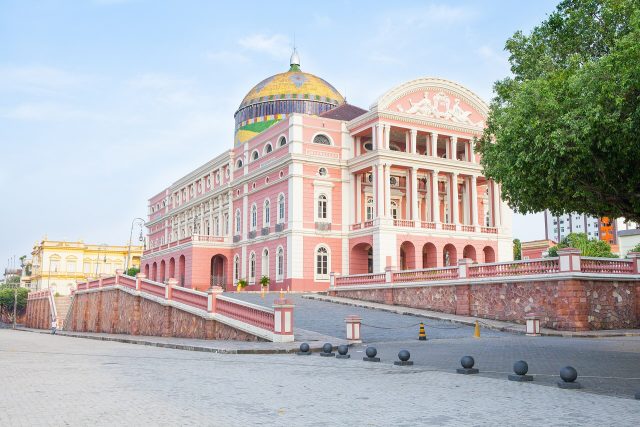
Manaus sits where the Amazon isn’t just a river—it’s a way of life. The city feels like a meeting point between two worlds: the grand European-style mansions built during the rubber boom and the enduring traditions of Indigenous peoples who have lived in harmony with the forest for centuries. The Museu do Índio, housed in one of those old mansions, offers a quiet but powerful glimpse into those traditions. Unlike typical museums with glass cases and labels, this place tells its stories through objects that were once part of daily life, now holding memories of cultures that are slowly fading under the weight of modernity.
The building itself is a piece of history. Constructed in the early 1900s, when Manaus was flush with rubber wealth, it reflects the city’s brief but intense period of prosperity. Back then, the local elite built lavish homes with soaring ceilings, intricate wooden staircases, and stained-glass windows—all meant to mimic European opulence. But when the rubber boom ended, many of these buildings fell into disrepair. The Museu do Índio gave new purpose to one of them, transforming it from a symbol of wealth into a bridge between past and present.
Inside, the museum focuses on the cultures of the Amazon’s Indigenous peoples. The exhibits include everyday tools, ritual masks, and jewelry that were once used by different tribes. Ceramics take up a significant part of the collection, ranging from simple water vessels to intricate figurines depicting forest spirits. Each piece comes with a brief description, but the real draw is the sense of authenticity. These aren’t just artifacts behind glass—they feel alive, as if they still carry the stories of the people who made and used them. The museum doesn’t treat Indigenous culture as a relic of the past but as something that persists, even now, deep in the rainforest.
One of the museum’s strengths is its connection to contemporary Indigenous communities. Many of the items on display were donated by the tribes themselves, and some exhibits address the challenges they face today—deforestation, land encroachment, and the loss of traditional knowledge. Visitors can learn about how these communities live now, which languages they still speak, and what customs they pass down to their children. It’s not just a static display; it’s an attempt to show culture as something dynamic, something that continues to evolve despite everything.
The collection of ritual objects is particularly striking. Masks used in initiation ceremonies or harvest festivals stand out for their expressiveness. Some are made of wood and feathers, others from plant fibers and natural dyes. Each mask is more than just art—it’s part of a belief system where humans and nature are inseparable. The museum also features musical instruments, like flutes made from bones or drums carved from tree trunks, which are still played in remote villages during celebrations.
The museum isn’t just about looking at objects. It often hosts workshops where visitors can try their hand at traditional crafts—weaving baskets from vines, painting fabric with natural dyes, or even cooking Indigenous dishes. These sessions are led by members of local communities, who share not just skills but personal stories. It’s a chance to experience culture as something tangible, not just an abstract idea.
Leaving the museum can feel bittersweet. On one hand, it’s a rare opportunity to connect with a world that feels distant, almost mythical. On the other, there’s the weight of knowing how fragile these cultures are. Many Amazonian tribes still fight for their rights, and their way of life remains under threat. The museum doesn’t romanticize the past or idealize Indigenous life. It simply presents it as it is—complex, resilient, and deeply valuable.
Stepping back outside, Manaus reveals itself as more than just a city on the Amazon’s edge. It’s a place where different eras and cultures intersect. You can still see traces of the rubber boom, hear stories of Indigenous peoples, and feel the presence of the jungle, which begins just beyond the city limits. The Museu do Índio isn’t just a stop on a tourist itinerary—it’s a reminder of how much we lose when we forget our connection to nature and the traditions of those who lived here long before us.