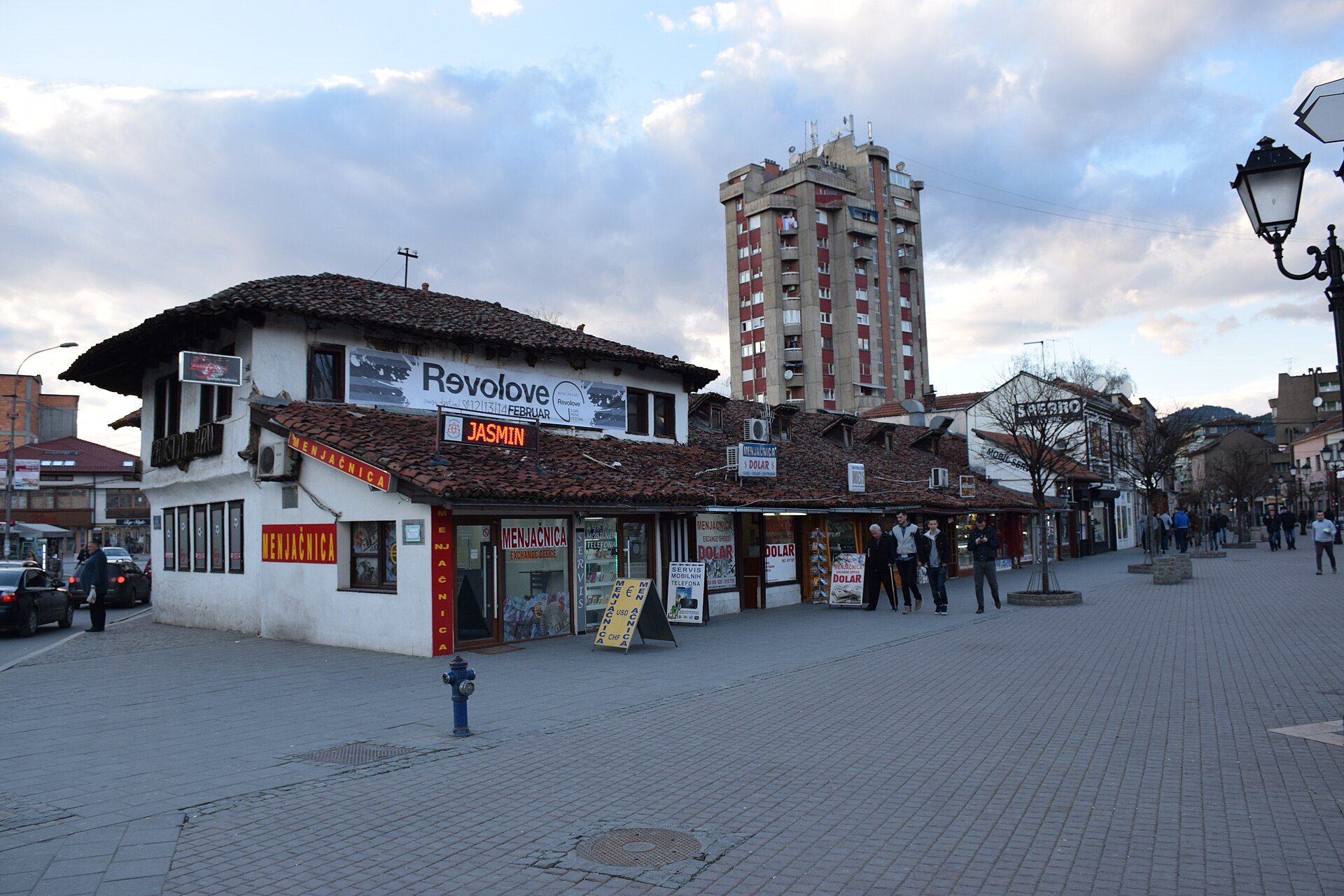
Shadervan Square in Banská is one of those places where time seems to slow down, allowing you to step into a rhythm that feels both familiar and forgotten. Tucked in the heart of the town, it’s surrounded by low-slung houses with red-tiled roofs, their weathered facades bearing the marks of different eras. There’s no rush here, no crowds of tourists snapping photos or vendors hawking trinkets. Instead, the square offers something quieter: the sense that every cobblestone, every crack in the pavement, has a story to tell. For locals, it’s more than just a public space—it’s where daily life unfolds, where traditions linger, and where the past and present coexist without fuss.
The name Shadervan comes from the Turkish word for fountain, and the square’s centerpiece is exactly that—an old stone fountain that once served as the town’s gathering spot. Decades ago, people would come here to fill their buckets with water, catch up on the latest news, or simply rest in the shade of the trees. The fountain no longer works, but its carved basin and intricate details still draw the eye. It stands as a quiet reminder of the Ottoman era, when Banská was part of a vast empire, and water was the thread that wove the community together.
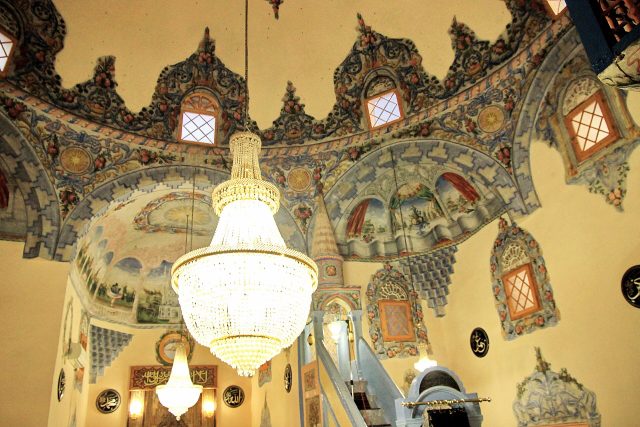
The architecture around the square is a patchwork of styles, each layer reflecting a different chapter in the region’s history. Some buildings have wooden balconies and latticed shutters, their designs echoing the Ottoman influence, while others bear the hallmarks of Austro-Hungarian craftsmanship—tall windows, ornate moldings, and arched doorways. A few structures have been modernized, their facades smoothed over with fresh plaster, but even these retain traces of their origins. What’s striking is how these different elements coexist, not in perfect harmony, but in a way that feels lived-in and real. The details are what make it interesting: the wrought-iron grilles on the windows, the worn door knockers, the narrow alleys that twist away from the square, leading to hidden courtyards and workshops.
Shadervan Square has always been the town’s social hub. In the past, it hosted bustling markets where traders sold everything from spices to handwoven textiles, and in the evenings, musicians played while storytellers gathered crowds. Today, the atmosphere isn’t so different. In the summer, small concerts are held here, and in the winter, the square is decorated for the holidays. The cafés and restaurants lining its edges serve up dishes that have been passed down through generations—cheese-filled pastries, slow-cooked stews, and sweet, syrupy desserts. There’s no tourist menu here, just food that tastes like it was made by someone’s grandmother.
For visitors, Shadervan Square isn’t a place you come to check off a list. There are no grand monuments or guided tours, no souvenir stalls or selfie spots. Instead, it offers something simpler: the chance to sit on a bench and watch life unfold at its own pace. Children play near the fountain, old men argue over politics over tiny cups of coffee, and women chat as they weave through the square with baskets of fresh bread. Banská doesn’t try to impress; it just exists, and if you’re willing to slow down, you might find yourself slipping into its rhythm.
The history of Banská is intertwined with that of Kosovo itself, and Shadervan Square is one of the places where that connection feels most tangible. Over the centuries, the town has been ruled by Serbs, Ottomans, Austrians, and later, as part of Yugoslavia. Each era left its mark—not just in the architecture, but in the way people live, the languages they speak, the traditions they hold onto. Today, you’ll hear both Albanian and Serbian spoken here, a reminder of the complex, often fraught history of the region. It’s not always an easy story, but it’s one that’s impossible to ignore.
If you wander down the narrow streets branching off from the square, you’ll stumble upon small workshops where artisans still practice their crafts. One might be carving traditional instruments, another painting intricate patterns onto pottery, and another stitching together pieces of a national costume. These places aren’t advertised in guidebooks, and you won’t find them on any official map. But that’s part of their charm. There’s no mass production here, just people making things with care, the way they’ve been made for generations. If you’re lucky, you might even be invited inside to see how it’s done.
Shadervan Square isn’t just a relic of the past—it’s a living part of the town. It changes with the seasons, but it never loses its character. In the summer, the shade of the trees offers respite from the heat, and in the winter, the square becomes a cozy refuge, warmed by steaming cups of tea and the glow of string lights. No matter the time of year, there’s a sense of calm here, the kind that’s hard to find in a world that’s always in a hurry. Maybe that’s why locals love it so much. It doesn’t demand attention or applause. It just is—and that’s enough.