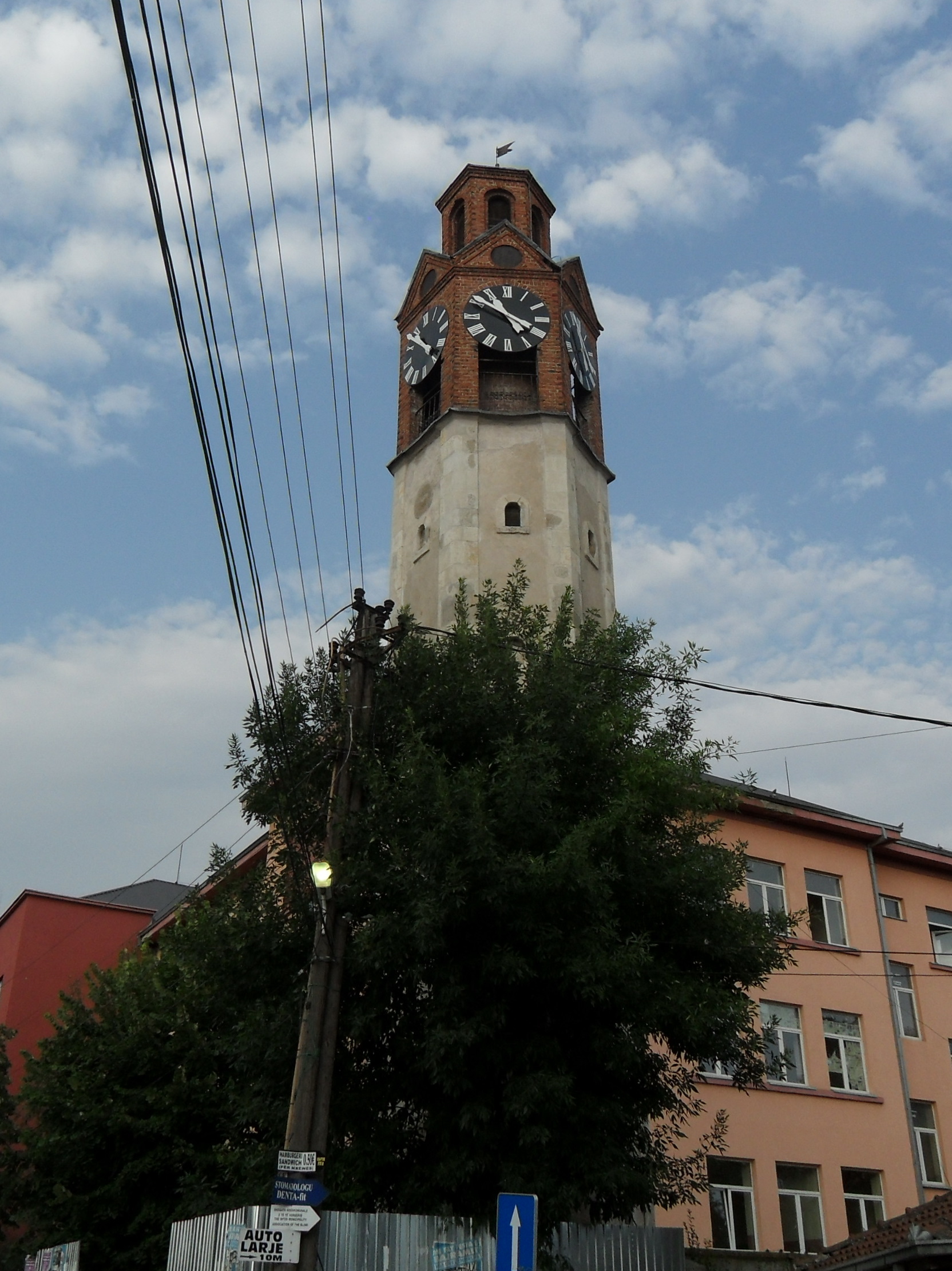
Banská is one of those quiet towns tucked away in northern Kosovo, the kind of place that rarely makes it onto tourist maps. There are no bustling crowds, no neon signs, no world-famous landmarks competing for attention. Instead, there’s a sense of stillness, a rhythm of life that feels unhurried, as if time itself moves a little differently here. The streets are narrow, lined with low houses and green hills rolling into the distance. And then there’s the Sahat-kula, the Clock Tower, standing on a small rise like a quiet sentinel from another era.
Built in the 17th century, when Kosovo was part of the Ottoman Empire, the tower is a remnant of a time when such structures were common across the Balkans. They weren’t just practical—they marked the hours for merchants, travelers, and townspeople—but also symbolic, a visible sign of order and authority. The Clock Tower in Banská isn’t the tallest or the most ornate of its kind, but there’s something quietly compelling about it. The brickwork, the square base, the narrow windows, and the overhanging upper section all carry the unmistakable imprint of Ottoman design. It’s easy to imagine it appearing in an old engraving or a traveler’s journal from centuries past.
Inside, the tower once housed a clock mechanism driven by weights, though little remains of it today. The staircase leading to the upper level is steep and narrow, just as it would have been when the tower was first built. Climbing it offers a different perspective on the town—rooftops stretching out below, fields and hills unfolding toward the horizon, where the land eventually rises into mountains. On clear days, the view is a reminder of how Banská was once connected to the wider world, not just by trade routes and military campaigns, but by the everyday lives of farmers, artisans, and merchants who passed through.
The tower’s history is woven into the story of the town itself. In the 17th and 18th centuries, Banská was a thriving hub of craftsmanship and commerce, a stop for caravans linking the Balkan interior to the Adriatic coast. The clock tower served as a landmark for travelers, its chimes marking the start and end of the workday for locals. Over time, the town’s importance faded as trade routes shifted, but the tower endured. It has weathered wars, the rise and fall of empires, and the redrawing of borders, standing as a silent witness to change.
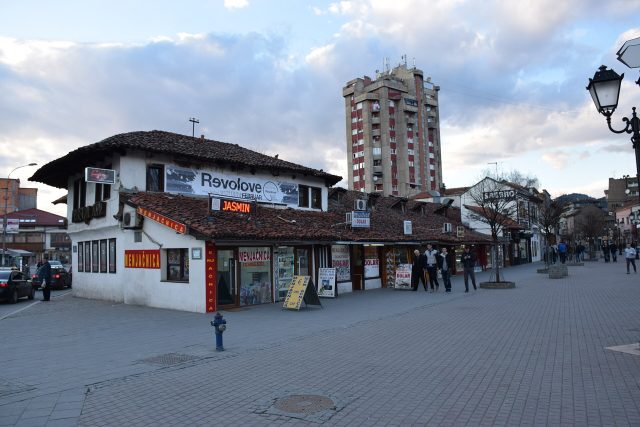
Today, the Sahat-kula is one of the few tangible links to Banská’s past. Life around it carries on as it always has—children playing in the streets, elders sitting outside their homes, the morning market selling fresh vegetables and cheese. The tower isn’t a museum, there are no explanatory plaques, and visitors are rare. That’s part of its charm. It doesn’t try to impress or demand attention; it simply exists, a natural part of the town’s fabric. In that unassuming presence lies its value—it feels real, lived-in, inseparable from the place it has stood for centuries.
If you ever find yourself in Banská, take a walk through the streets leading up to the tower. Notice the tiled roofs of the houses, the old wells, the stone walls, the vineyards creeping toward the edges of town. If you can, climb the tower and look out over the landscape. Time here doesn’t rush, and even the clock’s hands have long since stopped moving, but that doesn’t seem to matter. The town moves at its own pace, and perhaps that’s the real appeal of places like this. They don’t ask anything of you except to pause, to breathe in the quiet, and to recognize that some things—like the steady presence of a centuries-old tower—remain unchanged, no matter how much the world around them shifts.